
Brake Repair in Fort Lauderdale: Warning Signs, Service & What to Expect
- By John Xipolitidis
- Automobile
- Aug 20, 2025
Squealing, grinding, vibration, a soft pedal, or a brake warning light should never be treated as something to drive around and hope disappears. Your brakes usually give you warning signs before a small problem becomes a bigger one.
Brake symptoms can come from several different parts of the system, and the right repair starts with figuring out what is actually worn, damaged, or malfunctioning. This guide covers the signs, the causes, and what a proper brake inspection should include.
Quick answer: Brake noise does not automatically mean you only need pads, and vibration does not automatically mean you need rotors. Pads, rotors, calipers, hardware, hydraulics, and electronic brake systems can produce overlapping symptoms. An inspection is what tells you what the vehicle actually needs.
6 Signs It Is Time to Have Your Brakes Checked
Brake systems wear gradually, but the symptoms drivers notice can appear suddenly. Pay attention when the vehicle starts braking differently than it normally does.
Brake noise can come from worn friction material, hardware, or surface conditions. Some noise can occur without a serious defect, but persistent or newly developed noise deserves an inspection.
Continuous grinding can indicate severely worn friction material or metal-to-metal contact. Continuing to drive can increase damage to the braking components.
If the pedal or steering wheel shakes while braking, the cause needs to be identified. Rotor condition is one possibility, but the symptom should be inspected rather than diagnosed from vibration alone.
A pedal that suddenly feels softer, travels farther than normal, or feels significantly different can point to a hydraulic or mechanical problem that needs prompt attention.
A brake-system or ABS warning light should not be dismissed. The meaning varies by vehicle, so check the owner's manual and have the system inspected when the warning stays on.
If the car begins pulling, stopping unevenly, or requiring noticeably more pedal effort or distance, something has changed and should be evaluated before it gets worse.
When Is a Brake Problem Urgent?
There is an important difference between hearing an occasional minor noise and experiencing a meaningful change in the vehicle's ability to stop.
Do Not Ignore a Major Change in Braking Performance
If the brake pedal suddenly travels unusually far, braking performance becomes substantially worse, the vehicle struggles to stop normally, or you suspect loss of hydraulic pressure, get to a safe location and have the vehicle evaluated before continuing to drive. Brake warning lights deserve the same respect: the red brake warning lamp and the ABS warning lamp can mean different things depending on the vehicle, and a persistent warning should be diagnosed rather than ignored.
What Parts of the Brake System Can Cause Problems?
A modern braking system is more than brake pads. Several mechanical, hydraulic, and electronic components work together every time you press the pedal.
| Component | What It Does | Possible Symptoms |
|---|---|---|
| Brake pads | Create friction against the rotor to slow the wheel. | Noise, grinding when severely worn. |
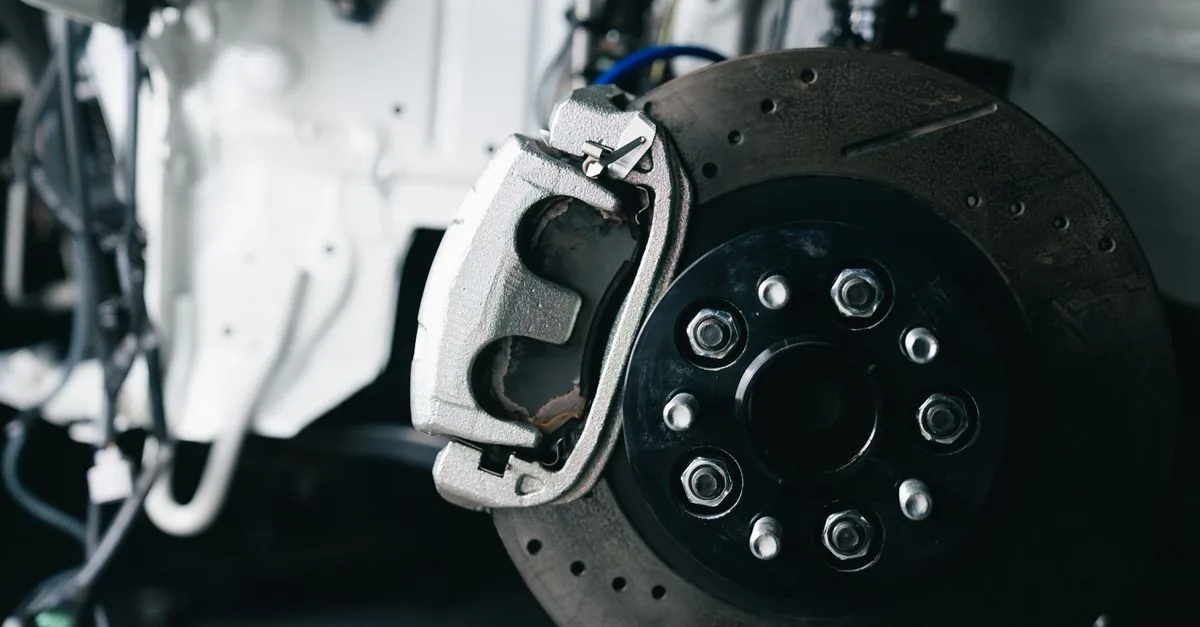
| Brake rotors | Provide the braking surface contacted by the pads. | Pulsation, vibration, scoring, abnormal surface wear. |
| Brake calipers | Apply the pads against the rotor when braking. | Uneven wear, dragging, pulling, excess heat. |
| Brake fluid and hydraulics | Transfer pedal force through the hydraulic system. | Changes in pedal feel, leaks, poor pressure, warning lights. |
| ABS components | Help prevent wheel lock during certain braking situations. | ABS warning lights, sensor faults, diagnostic codes. |
| Electronic parking brake | Uses electronic controls on vehicles equipped with an EPB system. | Warning messages, failure to apply or release, service-mode issues. |
Do Brake Pads and Rotors Always Need to Be Replaced Together?
No universal rule says every vehicle must receive pads and rotors together every time. The decision depends on the condition and measurements of the components, the manufacturer's service specifications, wear pattern, surface condition, and what is causing the complaint.
A rotor may be too worn or damaged to remain in service. On another vehicle, the rotor may still fall within manufacturer specifications. That is why universal internet rules, such as replacing every rotor at one fixed measurement, are not a substitute for inspecting the specific car. Manufacturers publish different specifications, so the correct call is based on the vehicle being serviced.
Noise Alone Does Not Identify the Repair
Squealing can come from wear indicators on some brake pads, but it can also relate to hardware, friction-material characteristics, or surface conditions. Continuous metal-on-metal grinding is more concerning and can indicate severely worn friction material. Vibration can be associated with rotor thickness variation or surface condition, but suspension, wheel installation, and related components can also affect how it feels. In every case, inspection beats assumption. Learn the warning signs and costs of brake repair before you visit.
European Brake Repair Can Involve More Than Pads and Rotors
Modern BMW, Mercedes-Benz, Audi, Porsche, Land Rover, MINI, and Volkswagen vehicles can combine conventional friction brakes with ABS, stability systems, electronic parking brakes, pad-wear monitoring, and other manufacturer-specific electronics. A brake warning message is not always solved by simply installing new pads. The mechanical components and the electronic side of the system may both need to be considered.
What Happens When You Bring a Brake Problem In?
The exact inspection depends on the complaint and the vehicle. A car with brake noise may need a different diagnostic approach than one with an ABS warning light or a suddenly soft pedal. Instead of following one rigid checklist, the goal is to understand the symptom, inspect the relevant system, and determine what the car actually needs.
Noise, vibration, warning light, or a change in pedal feel. The details you provide shape the inspection.
The relevant braking components and systems are evaluated based on the complaint.
The goal is to identify what actually needs attention instead of automatically selling a complete brake package.
You are contacted with the findings and the cost before authorized repair work moves forward.
How Much Does Brake Repair Cost in Fort Lauderdale?
Brake repair does not have one honest price that applies to every vehicle. A set of pads on one car is very different from a repair involving rotors, calipers, hydraulic components, an electronic parking brake, or ABS diagnostics. As general 2026 market guidance (not a quote), independent-shop averages run roughly $150 to $400 per axle for pads only and $300 to $600 per axle for pads plus rotors, with European and performance vehicles typically higher.
Factors that move the price include the vehicle's year, make, and model, whether it is front brakes, rear brakes, or both, the condition of the pads and rotors, caliper or hydraulic-system problems, ABS or electronic parking-brake faults, and additional damage from continuing to drive on worn components. The only honest price is the one on a written estimate after inspection. Learn more about the shop and its approach before you book.
Why Brake Condition Matters in Fort Lauderdale Driving
Predictable braking matters everywhere, but South Florida driving can involve dense traffic, frequent stops, and heavy rain. A vehicle that already has a soft pedal, severe vibration, grinding brakes, or reduced stopping performance should not be allowed to become the new normal. Having it inspected early gives you a better chance to address the actual problem before additional components are damaged.
Brake Repair FAQ
Can I drive with grinding brakes?
Continuous grinding should be inspected promptly. Metal-to-metal contact can damage additional brake components and may affect braking performance. If braking ability is noticeably reduced, stop driving and arrange for the vehicle to be evaluated safely.
Does squealing always mean I need new brake pads?
No. Some brake pads use wear indicators that create noise, but squealing can have other causes. An inspection is the right way to determine whether the pads are worn or something else is creating the noise.
Do brake pads and rotors always have to be replaced together?
Not automatically. Rotor condition, measurements, surface condition, wear pattern, and the vehicle manufacturer's specifications should be considered before deciding whether the rotors can remain in service.
What does a soft brake pedal mean?
A soft or unusually low pedal can be associated with hydraulic-system problems, air in the system, fluid loss, or other brake-system faults. A sudden change in pedal feel should be inspected promptly.
Why does my steering wheel shake when I brake?
Brake-related vibration can come from rotor condition or thickness variation, but other mechanical factors can contribute as well. The source should be inspected rather than assuming the rotors automatically need replacement.
Hearing Brake Noise or Feeling Something Different?
Call Southport Auto Repair in Fort Lauderdale. Tell us what the car is doing, and we will help you determine the appropriate next step. You will always hear the findings and the cost before any authorized work moves forward.
101 SW 17th St, Fort Lauderdale, FL 33315
Monday-Friday: 8:00 AM-6:00 PM
Brake service needs vary by vehicle, driving conditions, and component condition. Cost ranges cited are general 2026 market guidance, not a quote. Always confirm the recommended repair and price on a written estimate after inspection.

Your BMW’s Maintenance Schedule: What It Actually Needs in Fort Lauderdale (and When)
CV Axle Replacement in Fort Lauderdale: Clicking, Vibration & Torn Boot Signs
Wheel Bearing Replacement Fort Lauderdale: 7 Warning Signs and 2026 Cost Guide
8 Best Options for Reliable Engine Tune Up Fort Lauderdale Drivers Trust
Catalytic Converter Repair in Fort Lauderdale: P0420, Warning Signs & Diagnosis


Comments (5)
Independent Auto Repair Fort Lauderdale | Dealer Alternative
[…] For braking symptoms, see our brake repair guide . […]
Auto Maintenance Schedule Fort Lauderdale | Service Guide
[…] If you are hearing brake noise or noticing a change in pedal feel, read our Fort Lauderdale brake repair guide . […]
Road Trip Car Inspection Fort Lauderdale | Pre-Trip Checklist
[…] If you already have a braking concern, see our Fort Lauderdale brake repair guide . […]
Volvo Maintenance Fort Lauderdale | Service & Repair Guide
[…] Learn more in our Fort Lauderdale brake repair guide . […]
Jaguar Maintenance Fort Lauderdale | Service & Ownership Guide
[…] Fort Lauderdale brake repair guide explains why pad and rotor decisions should be based on the actual […]