Brake Repair in Fort Lauderdale: Warning Signs, Costs & What to Expect
- By John Xipolitidis
- Automobile
- May 5, 2026
Brake problems almost always start with subtle signs: a pull to one side when you stop, a pedal that feels soft, or a metal-on-metal grind in traffic. Fort Lauderdale’s stop-and-go driving, from downtown gridlock to the constant light cycles on US-1, puts serious wear on pads, rotors, and calipers.
The good news is that most brake problems are catchable early, and a small fix now costs a fraction of what you pay if you let it slide. Here is a plain-English guide to what brake trouble sounds and feels like, what it typically costs to fix, and how to avoid overpaying.
Quick answer: Squealing usually means the wear indicator is telling you pads are due; grinding means the pad is gone and the rotor is being damaged. Typical independent-shop ranges in Fort Lauderdale: $180-$380 per axle for pads, $280-$600 per axle for pads and rotors, $110-$180 for a brake fluid flush. Stop driving immediately if the pedal sinks to the floor, fluid is leaking, or the car pulls violently when braking.
7 Warning Signs Your Brakes Need Attention
Your brakes almost always warn you before they fail. If you notice any of these, book an inspection rather than waiting to see if it gets worse.
Many pads have a small metal wear indicator built in. When pad material wears past a safe point, the indicator scrapes the rotor and creates a high-pitched squeal. It is deliberate: the noise means the pads have only a limited number of miles left before the rotor gets damaged. Book an inspection when you first hear it.
Grinding is the sound of a pad worn completely through, steel backing plate scraping the rotor. You are gouging grooves into the rotor with every stop. What started as a pad job becomes a pad-and-rotor job if you keep driving. Do not.
If it takes more pedal pressure or more road to stop, something has lost efficiency: worn pads, glazed rotors, a fluid leak, or moisture-contaminated brake fluid. In South Florida humidity, brake fluid absorbs water faster than in drier climates, which lowers its boiling point and creates a spongy pedal feel.
A pedal that travels further than usual or sinks slowly at a stoplight points to a hydraulic issue: air in the lines, a failing master cylinder, or a slow fluid leak. This is safety-critical. Stop driving the car and call a shop.
Uneven braking force, usually from a sticking caliper, a collapsed brake hose, or pads wearing at different rates per side, tugs the steering wheel when you brake. You are effectively braking on one side, which increases stopping distance in an emergency.
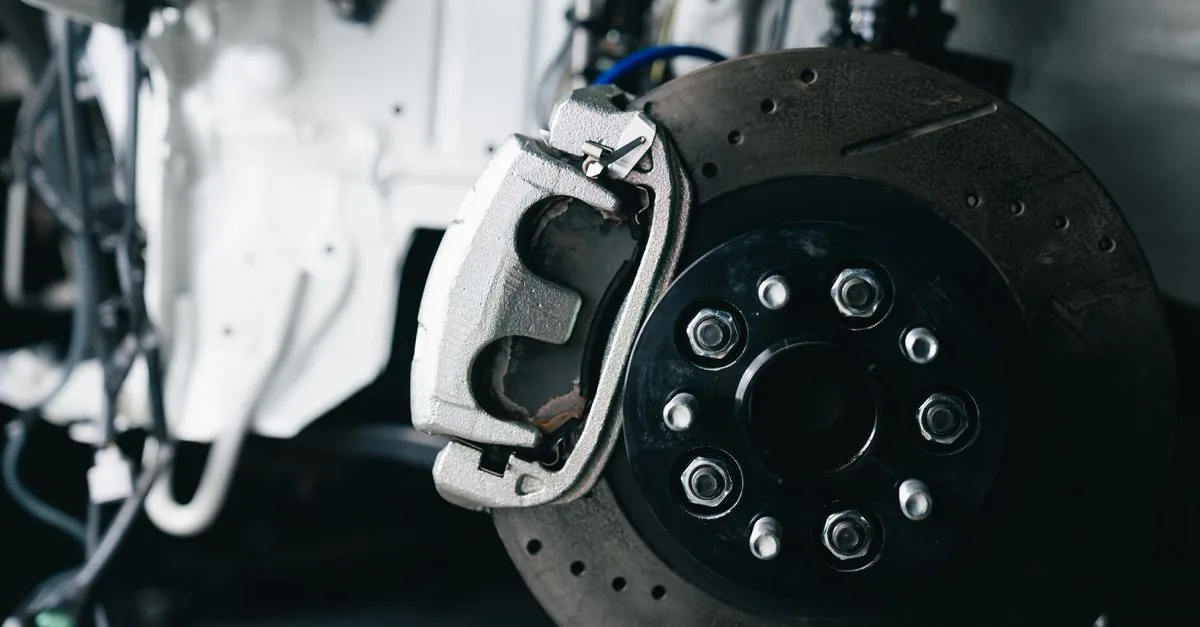
A shimmy through the pedal when braking, especially from highway speeds, usually means rotor surfaces are no longer true. Heat buildup from aggressive stops, common on I-95, is a frequent cause. Depending on severity, rotors can be machined (resurfaced) or must be replaced.
A red BRAKE light usually indicates low fluid or an engaged parking brake. A yellow ABS light means the anti-lock system has a fault; base brakes still work, but the emergency ABS function may not. Either light deserves a diagnostic scan, not a wait-and-see.
What Does Brake Repair Cost in Fort Lauderdale?
Prices vary by vehicle; luxury European cars cost more than domestic sedans because of larger rotors, wear sensors, and pad formulations. The ranges below are typical for mainstream makes at an honest independent shop in 2026.
| Service | Typical Range | Notes |
|---|---|---|
| Brake pad replacement (per axle) | $180 – $380 | Labor included. Premium ceramic or European OEM pads run higher. Most cars need pads every 30,000-60,000 miles; South Florida traffic wears them on the shorter end. |
| Pads and rotors (per axle) | $280 – $600 | If rotors are warped, scored, or below minimum thickness, machining is not an option; they must be replaced. |
| Brake fluid flush | $110 – $180 | Recommended every 2-3 years, or sooner if fluid shows moisture contamination. One of the most skipped and most important services here. |
| Caliper replacement | $300 – $800 per caliper | Higher on European vehicles. A sticking caliper will burn through new pads in weeks, so fixing the root cause matters. |
On European vehicles, a full four-wheel brake job costs more than on a mainstream sedan, but independent specialists commonly charge well below dealer pricing for the same quality of parts and work. If you are comparing quotes, our guide on how to choose the right auto repair shop walks through what to look for.
When to Stop Driving Immediately
Stop driving and call for help if the brake pedal sinks to the floor, the car pulls so severely it changes lanes on its own, you see fluid leaking near a wheel, or there is a burning chemical smell after heavy braking. These point to hydraulic failure, a stuck caliper, or an overheated system. Do not coast it home. Get it towed.
Why Fort Lauderdale Drivers Wear Brakes Faster
If you are replacing pads more often than your owner’s manual suggests, it is not you, it is where you drive. South Florida punishes brake systems in three specific ways. First, stop-and-go traffic: I-95, US-1, and Broward Boulevard generate constant low-speed deceleration, which heats pads and rotors without giving them time to cool. Second, heat and humidity: ambient temperatures regularly above 90 degrees combine with underhood heat to accelerate fluid breakdown. Third, bridges and highway merges: steep drawbridges and high-speed interchanges create sudden, heavy braking events that stress rotors and shorten pad life. The practical result: have the brakes inspected at every oil change, not every other one.
Dealership vs. Independent Shop
Dealerships do good brake work, but you pay a premium for the facility and the flat-rate labor multiplier. Independent shops that specialize in your make and use OEM or OE-equivalent parts deliver the same quality for meaningfully less. Before you book anywhere, check three things: is the shop ASE-certified, do they write detailed itemized quotes before work begins, and do they stand behind the repair? Warranty coverage can vary by repair and part, so ask about the warranty that applies to your specific service before work begins. More on the trade-offs in our dealership vs. independent comparison.
Brake Repair FAQ
How often should I replace brake pads in Fort Lauderdale?
Most vehicles need pads every 30,000 to 60,000 miles, but South Florida stop-and-go traffic and heat can push that toward the shorter end. Your interval depends on driving style, vehicle weight, and pad compound.
How much does brake repair cost in Fort Lauderdale?
At an independent shop, expect roughly $180-$380 per axle for pads and $280-$600 per axle for pads plus rotors on mainstream vehicles. European vehicles run higher. The exact number depends on your vehicle and what the inspection finds.
Is it safe to drive with grinding brakes?
No. Grinding means the pad’s metal backing plate is contacting the rotor. Stopping power is reduced, the rotor is being damaged every mile, and you could lose braking altogether. Get it inspected immediately.
Do I need to replace rotors every time I replace pads?
Not always. If the rotor is above minimum thickness, is not warped, and is not scored, new pads can go on the existing rotor. Many European vehicles are designed to replace pads and rotors together for safety and performance, so it depends on the car.
Will brake work void my manufacturer warranty?
Federal law generally allows you to use an independent repair shop without automatically voiding your factory warranty, as long as quality parts and correct procedures are used. Damage caused by improper work or parts may not be covered, so choose the shop carefully.
Hear Something When You Brake? Get It Checked.
Southport Auto Repair has been keeping Fort Lauderdale drivers safe since 2009, working on everything from daily-driver Hondas to European luxury cars. You get an inspection, a written quote before any work begins, and a straight answer about what your brakes actually need. See what local drivers say on our reviews page, or schedule your visit.
101 SW 17th St, Fort Lauderdale, FL 33315
Monday-Friday: 8:00 AM-6:00 PM
Cost ranges are typical independent-shop ranges for 2026 and vary by vehicle year, make, model, and parts required. Warranty coverage can vary by repair and part; ask about the warranty that applies to your specific service before work begins.