Fort Lauderdale Brake Repair Service You Can Count On — Dependable Care for Your Vehicle’s Safety
- By John Xipolitidis
- Automobile
- Feb 12, 2026
Your brakes are the one system you never want to second-guess. Squealing, grinding, a soft pedal, or a longer stopping distance are all messages from your braking system, and the right response is a proper inspection, not hope.
This guide covers the warning signs that mean your brakes need attention now, what a full brake service actually includes, and what to expect when you bring your car to a shop.
Quick answer: Get your brakes inspected if you hear squealing or grinding, feel vibration or a soft pedal, see the brake warning light, or notice the car pulling to one side. A complete brake service includes pads, rotor inspection or resurfacing, caliper and hardware checks, and brake fluid condition. Grinding means metal-on-metal and should be checked immediately.
Warning Signs Your Brakes Need Service
Brakes wear gradually, then fail suddenly. These are the signs drivers usually notice, ranked from "schedule soon" to "stop driving and call."
Most pads have a wear indicator that squeals when the pad material gets thin. It is the designed early warning, not a defect. Schedule service within days, not weeks.
Grinding means the pad material is gone and metal is contacting metal. Every stop damages the rotors further. This needs immediate attention.
A pulsing pedal or shaking steering wheel during braking usually points to uneven rotor wear. It is drivable short-term but should be inspected soon.
A pedal that sinks toward the floor or feels mushy can indicate air in the lines, a fluid leak, or a failing master cylinder. Do not drive far on this.
The dashboard brake light can mean low fluid, worn pads with sensors, or a hydraulic issue. Check your fluid level and get it diagnosed. See our brake fluid guide for the fluid side of the story.
If the car veers when you brake, one side is gripping harder than the other. A sticking caliper is a common cause. Have it checked before it wears one side out.
Do Not Ignore Grinding or a Soft Pedal
Grinding brakes and a sinking pedal are the two symptoms that mean real danger. Metal-on-metal grinding destroys rotors fast and extends stopping distance. A soft pedal can indicate a hydraulic failure in progress. If you experience either, reduce your speed, increase following distance, and get to a shop without delay. These are not "wait until payday" problems.
What a Full Brake Service Includes
A proper brake job is more than slapping on new pads. Here is what a thorough shop checks and does during a complete brake service.
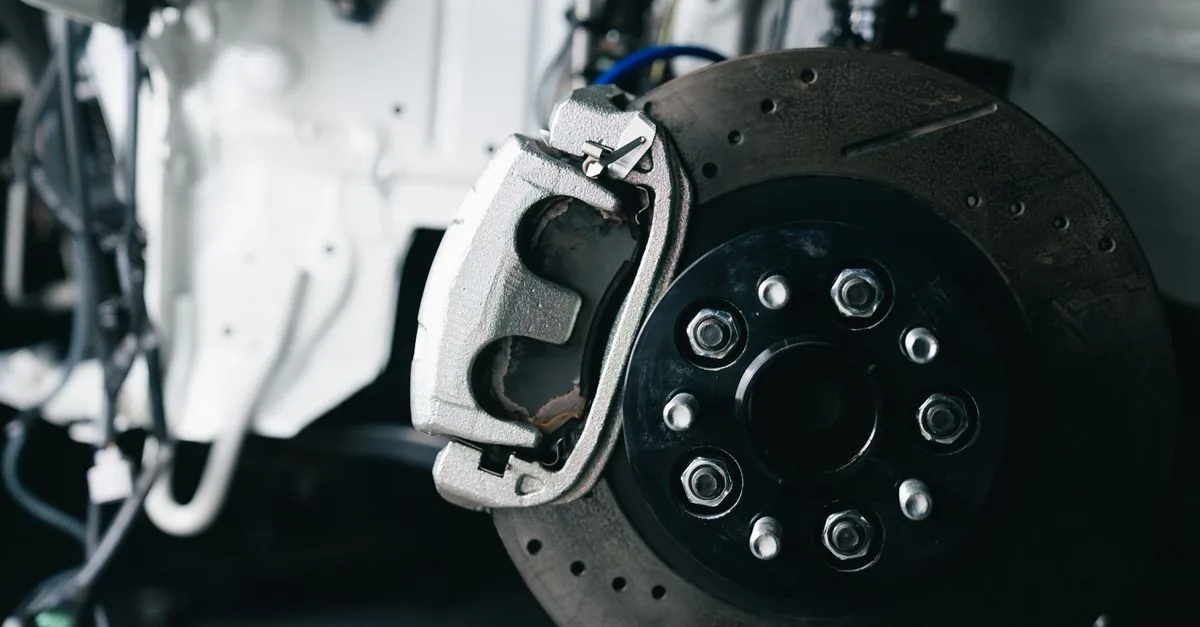
Pads are the wear item. The technician measures remaining thickness against the manufacturer's minimum spec and replaces pads that are at or below it, in axle sets.
Rotors are measured for thickness and runout. If they are within spec, they can be resurfaced. If they are below minimum thickness or badly scored, they get replaced. Resurfacing is a measurement decision, not a default.
Calipers are checked for sticking, leaking, and even piston movement. Slides, shims, and clips are cleaned or replaced so the new pads wear evenly instead of dragging.
Brake fluid absorbs moisture over time, which lowers its boiling point and corrodes internal parts. A fluid check or flush is part of complete brake care. Our brake fluid flush guide explains when a flush is actually due.
The Cheapest Brake Job Is the Complete One
Replacing pads on worn-out rotors, or skipping the caliper inspection, buys you a comeback visit. The pads wear unevenly, the vibration returns, and you pay for the labor twice. A complete service costs more on the invoice and less over the life of the brakes. Ask any shop quoting you a brake job exactly what is included, then compare line by line.
Brake Costs and What Affects the Price
Brake service pricing varies widely by vehicle and by what the inspection finds. These are the factors that move the number, so you can read any quote with confidence.
Vehicle type: larger vehicles and performance models use bigger, pricier components. Pads vs. full axle service: pads alone cost less than pads plus rotors. Rotor condition: resurfacing costs less than replacement, but only when the measurements allow it. Caliper work: a sticking caliper adds parts and labor. Fluid service: a flush adds to the bill but protects the whole hydraulic system. Get an itemized written estimate before authorizing work, and be wary of any quote that cannot tell you what is included. For a deeper look at pricing, see our brake repair cost guide.
What to Expect at Your Brake Visit
A good brake visit starts with your description of the symptoms, then a wheel-off inspection with measurements, not guesses. You should receive a clear explanation of what is worn, what is still good, and an itemized estimate before any work begins. Ask to see the old parts afterward. A shop that is transparent about measurements has nothing to hide.
Brake Repair FAQ
How do I know if my brake pads are worn?
Squealing is the designed warning. A visual check through the wheel spokes can show pad thickness, but the reliable answer comes from a wheel-off measurement against the manufacturer's minimum spec.
Can I drive with grinding brakes?
Not safely for long. Grinding means metal-on-metal contact that damages rotors with every stop and lengthens stopping distance. Get it checked immediately.
Do I always need new rotors with new pads?
No. If the rotors measure within spec for thickness and runout, resurfacing is a legitimate option. Replacement is required when they are below minimum thickness or badly damaged.
How long does a brake service take?
A straightforward pad replacement on one axle often takes about an hour. Full service with rotors, caliper work, and fluid takes longer. Ask for a time estimate when you book.
Why does my steering wheel shake when I brake?
Usually uneven rotor wear, often called warped rotors. It is drivable in the short term but should be inspected, because the underlying cause keeps wearing things unevenly.
Not Sure About Your Brakes? Get Them Checked
Describe what you are hearing or feeling, and we will inspect, measure, and explain before any work is approved. No guessing, no pressure.
101 SW 17th St, Fort Lauderdale, FL 33315
Monday-Friday: 8:00 AM-6:00 PM
Brake service procedures described here follow standard industry practice. Component condition is determined by measurement against manufacturer specifications, not by visual estimate. Your vehicle's specific brake system may vary; confirm with a qualified technician.