Auto Maintenance Schedule for Fort Lauderdale Drivers: What to Check and When
- By John Xipolitidis
- Automobile
- Jun 8, 2026
There is no single Fort Lauderdale maintenance schedule that is correct for every BMW, Mercedes-Benz, Toyota, Porsche, Honda, or Ford. The right maintenance plan starts with the manufacturer's schedule for your exact vehicle, then considers mileage, age, driving conditions, service history, and what an inspection actually shows.
Southport Auto Repair is a family-owned Fort Lauderdale shop serving the area since 2009. We handle scheduled maintenance and repairs for European, domestic, and Asian vehicles. This guide explains how to read your schedule correctly, which systems matter most in South Florida heat, and when local conditions should change the plan.
Quick answer: Do not automatically shorten every maintenance interval by a fixed percentage because you live in Florida. Follow the maintenance schedule supplied for your specific vehicle and pay attention to any separate severe-use guidance in the manual. Florida heat, traffic, and year-round AC use can affect vehicle condition, but the correct response depends on the vehicle and the service.
What Maintenance Schedule Should You Actually Follow?
Federal Trade Commission consumer guidance is straightforward: follow the manufacturer's maintenance schedule in the owner's manual for your type of driving. That schedule is the baseline every other recommendation should be measured against. Our own guide to scheduling regular vehicle maintenance walks through how to build that plan around your car's actual needs.
Some vehicles use fixed mileage and time intervals. Others use an electronic maintenance reminder or an oil-life monitoring system. European vehicles may also separate services by time, mileage, condition, or vehicle-specific maintenance indicators. That means the correct interval for an oil service, spark plug replacement, coolant change, or transmission service may differ substantially between two vehicles parked next to each other.
When a shop recommends service earlier than the manual, ask why. The FTC specifically advises consumers to compare a shop's maintenance recommendations with the manufacturer's schedule and understand the reason when additional or more frequent service is recommended.
Does Fort Lauderdale Driving Affect Vehicle Maintenance?
It can, but not in one identical way for every system. South Florida vehicles spend a lot of time in heat, traffic, and air conditioning use. Heat is particularly relevant to the battery, while frequent low-speed driving creates a different operating pattern than long highway trips. Those conditions are reasons to pay attention to the vehicle and understand any severe-service guidance from the manufacturer. They are not a reason to invent a universal schedule that overrides the manual.
Four Local Factors That Actually Matter
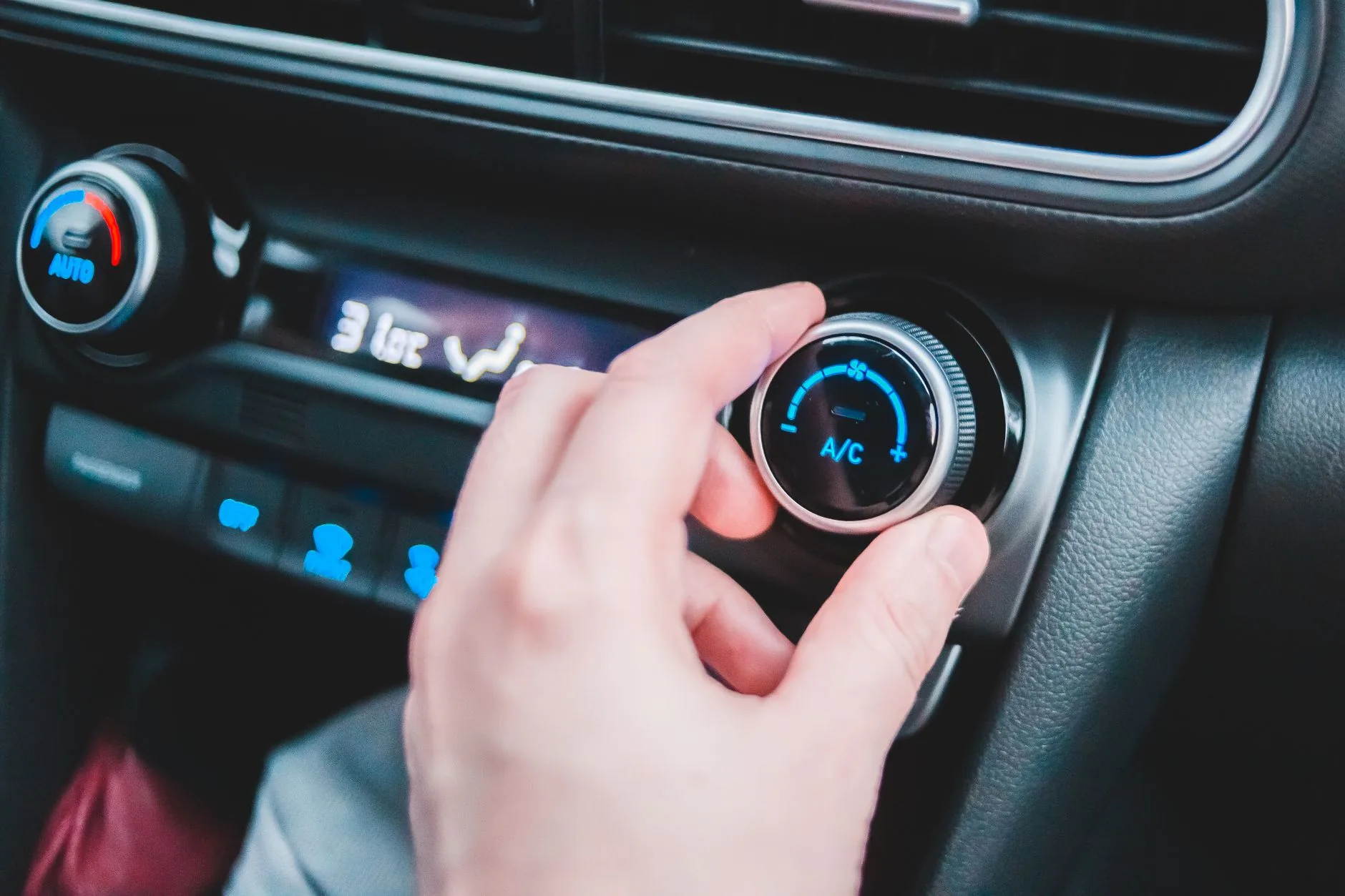
Heat. High temperatures can accelerate battery deterioration and put extra demand on the cooling and air-conditioning systems. Stop-and-go driving. Frequent acceleration, braking, and idling create a different operating pattern than steady highway driving, and some manufacturers address these conditions in severe-use maintenance guidance. Year-round AC use. In South Florida, poor AC performance becomes obvious quickly because the system is used through much of the year, so changes in cooling performance deserve diagnosis rather than an automatic recharge. Heavy rain and road conditions. Tire condition, wiper performance, and predictable braking matter especially during heavy South Florida rain, and potholes can affect wheels, tires, or alignment.
12 Maintenance Items Every Driver Should Track
Instead of giving every Fort Lauderdale vehicle the same mileage intervals, use this as a checklist of the systems worth tracking against your specific manufacturer's schedule.
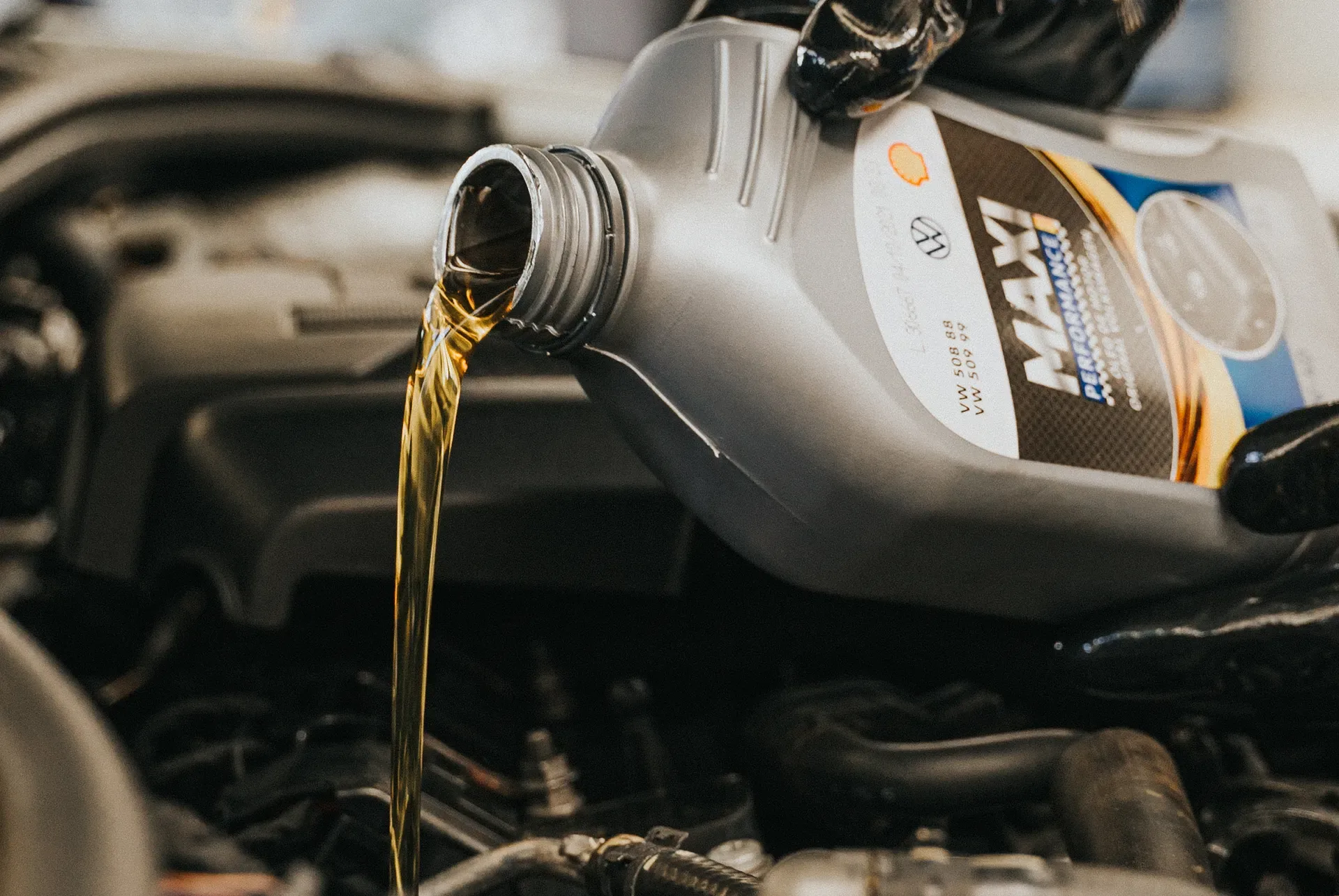
Follow the manufacturer's mileage or time interval or the vehicle's oil-life monitor, and use the specified oil. Watch for low oil level, warning lights, leaks, or an overdue service reminder.
Follow the vehicle or tire manufacturer's rotation guidance. Check pressure, tread depth, and look for irregular wear, cracking, bulges, or vibration.
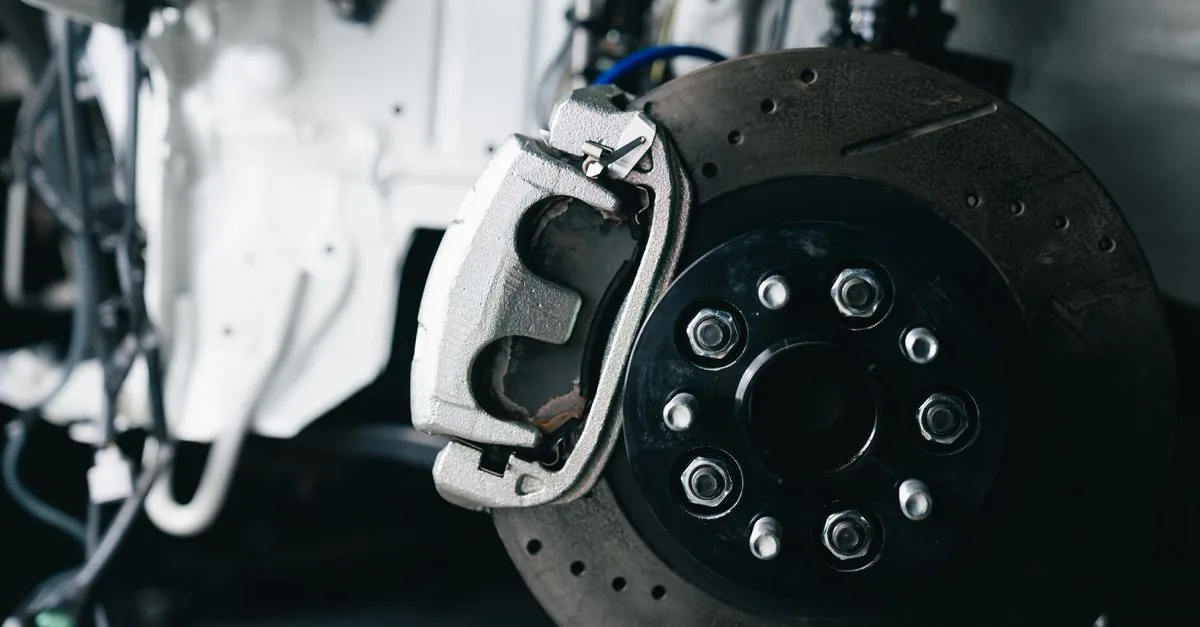
Inspect based on the manufacturer's service plan and whenever symptoms develop. Listen for noise, watch for vibration, warning lights, unusual pedal feel, or changes in stopping performance.
Follow the manufacturer-specific time or condition recommendation. Also watch fluid condition, leaks, warning messages, and any hydraulic-system repairs.
Follow the manufacturer's schedule and inspect condition as appropriate. Dusty or contaminated operating conditions can shorten its useful life.
Follow the vehicle's service schedule. Weak airflow, odor, or visible filter contamination are signs it is overdue.
Battery replacement is based on condition, age, and testing rather than one mandatory interval. Watch for slow cranking, repeated jump-starts, or electrical symptoms, especially in a hot climate.
Follow the manufacturer's coolant type and replacement interval. Leaks, low level, overheating, hose condition, or cooling-system repairs all call for attention.
Follow the maintenance information for the exact transmission and operating conditions. Leaks, shift-quality changes, warning messages, or unknown service history deserve evaluation.
Use the vehicle manufacturer's specified replacement interval. Misfires, rough running, or diagnostic trouble codes can signal worn plugs.
Follow the exact engine's replacement requirements when equipped with a scheduled timing belt. Do not assume timing chains and belts share the same service plan.
Inspect according to scheduled service and vehicle condition. Leaks, cracking, noise, deterioration, or age-related wear are the signals to act.
How Often Should You Change Your Oil in Fort Lauderdale?
There is no honest answer that applies to every vehicle. Modern engines use different oil specifications, capacities, turbocharging systems, maintenance monitors, and service intervals. The correct answer is found in the owner's manual or the manufacturer maintenance information for your exact vehicle. If the manufacturer provides separate severe-use recommendations and your driving matches those conditions, use the applicable schedule.
Just as important, do not ignore low-oil warnings or visible leaks simply because the next scheduled oil change is still several thousand miles away. If you are unsure whether your vehicle is due, our engine tune-up guide for Fort Lauderdale drivers covers what a proper service visit includes.
How Often Should You Check Tire Pressure?
This is one area where there is useful universal guidance. NHTSA recommends checking the pressure of all tires, including the spare when applicable, at least once a month while the tires are cold. The correct pressure is the vehicle manufacturer's pressure shown on the Tire and Loading Information label, commonly found on the driver's door jamb, or in the owner's manual. It is not simply the maximum pressure molded into the tire sidewall.
NHTSA also notes that the tire-pressure monitoring system generally warns only after a tire has become significantly underinflated, so monthly manual checks are still recommended. See our tire maintenance guide for more on keeping tires healthy in South Florida.
Does Florida Heat Shorten Car Battery Life?
Heat is one of the maintenance issues where South Florida genuinely matters. AAA explains that heat increases the rate of battery degradation. While automotive batteries may last three to five years generally, batteries in hot southern climates often last around three years, and AAA notes heat can reduce life to as low as two years.
That does not mean every three-year-old battery must automatically be replaced. Battery condition, vehicle use, charging-system performance, and battery type all matter. A better approach is to pay attention to battery age and have the battery and charging system tested when symptoms develop or when the battery is reaching the point where heat-related deterioration becomes more likely. For the electrical symptoms that often accompany a failing battery, see our guide to car electrical failures in the heat.
Other Common Interval Questions
Do You Need an AC Recharge Every Few Years?
No universal schedule says every vehicle needs its air conditioning refrigerant recharged every three or four years. Automotive refrigerant circulates through a closed system. If cooling performance changes, the system should be evaluated to determine whether the problem involves refrigerant charge, a leak, compressor operation, condenser airflow, electronics, or another HVAC component.
How Often Should Brake Fluid Be Changed?
Brake-fluid service is another example of why we should not publish one universal interval. Manufacturer recommendations vary. Some manufacturers specify a time-based interval, others incorporate fluid service differently into their maintenance plans, and the correct fluid specification can also vary by vehicle. Follow the schedule and fluid specification for the actual car. If the brake system has been opened for repair, contaminated, leaking, or showing another hydraulic problem, service decisions may also be affected by the repair being performed. If you are hearing brake noise or noticing a change in pedal feel, read our Fort Lauderdale brake repair guide.
What About "Lifetime" Transmission Fluid?
Internet advice on transmission maintenance tends to swing between two extremes: "never touch it" and "change it every 30,000 miles." Neither is a good universal rule. Transmission designs, fluid specifications, and manufacturer service recommendations vary significantly. The maintenance information for the specific transmission should be the starting point. If the vehicle has an unknown service history, leaks, shift-quality changes, or transmission warning messages, those issues should be evaluated rather than deciding on a fluid service solely from a generic mileage chart.
How Often Should Coolant Be Changed?
Use the manufacturer's specified coolant type and replacement interval for your vehicle. Coolant service is not just a drain-and-fill commodity, because the correct formulation matters by make and model. If you see leaks, a dropping level, overheating, or deteriorating hoses, the cooling system needs attention now. See our radiator and cooling system service page for what a proper inspection covers.
Timing Belt vs. Timing Chain: Do Not Treat Them the Same
Some engines use a timing belt with a manufacturer-specified replacement interval. Others use a timing chain system that does not have the same routine replacement schedule. Even within one manufacturer, different engines can have very different requirements. If your vehicle uses a scheduled timing belt, that service deserves careful attention. If the engine uses a chain, do not invent a timing-belt interval and apply it to the chain. Follow the maintenance and repair information for that engine.
Ignoring a Timing Belt Interval Can Wreck the Engine
On many engines, a timing belt that is allowed to fail will cause the pistons and valves to collide, which can destroy the engine outright. This is not a service to guess at. If your engine uses a scheduled belt and you do not know when it was last replaced, have it checked before the interval runs out.
European Vehicle Maintenance Is Especially Model-Specific
European vehicles are a good example of why generic maintenance charts can become misleading. BMW, Mercedes-Benz, Audi, Porsche, Land Rover, MINI, Volkswagen, Jaguar, Volvo, and Bentley can each use different maintenance systems, fluids, electronic service reminders, and engine-specific requirements. Even two vehicles carrying the same brand badge may have completely different service requirements because of engine, transmission, or model differences.
For a concrete example, see our BMW maintenance schedule guide, which shows how condition-based service interacts with Fort Lauderdale's climate.
What If You Bought a Used Car With No Maintenance Records?
This is where a generic mileage chart becomes especially dangerous. If you do not know whether the previous owner changed the coolant, serviced the transmission, replaced spark plugs, or completed other scheduled work, guessing can lead to duplicate service or missed maintenance.
Start With Three Things
1. Review any maintenance records that came with the vehicle. 2. Check the manufacturer's schedule for the vehicle's current age and mileage. 3. Have the current condition inspected where appropriate. From there, you can prioritize what is confirmed due, what can be evaluated by condition, and what still needs additional history before making a decision.
Why Maintenance Records Matter
Keep invoices and records showing the date, mileage, and work performed. This is useful for your own maintenance planning, but it can also matter for warranty claims. The FTC notes that a warranty company may ask for maintenance records when determining whether a vehicle was properly maintained. Records also make life easier when you sell the car or move to another repair facility because the next technician does not have to guess what has already been done.
A Simple Maintenance Record Is Enough
Keep the invoice or receipt, the vehicle mileage, and the date. You do not need a complicated spreadsheet to create a useful maintenance history.
Auto Maintenance Schedule FAQ
Should Fort Lauderdale drivers shorten every factory maintenance interval?
No. Start with the manufacturer's maintenance schedule for the exact vehicle and your type of driving. If the manufacturer publishes separate severe-use guidance and your driving qualifies, follow the applicable schedule. A shop recommending more frequent service should be able to explain why.
How often should I change my engine oil?
Follow the mileage, time, or oil-life-monitor guidance provided for your specific vehicle and use the required oil specification. There is no single Fort Lauderdale oil-change interval that is correct for every engine.
How often should I check my tire pressure?
NHTSA recommends checking tire pressure at least once a month while the tires are cold. Use the vehicle manufacturer's recommended pressure shown on the Tire and Loading Information label or in the owner's manual.
Does Florida heat shorten car battery life?
Heat accelerates automotive battery deterioration. AAA notes that while batteries may last three to five years generally, batteries in hot southern climates often have shorter service lives. Battery replacement should still be based on age, condition, testing, and vehicle requirements rather than an automatic fixed interval.
Does Southport work on European scheduled maintenance?
Yes. Southport works on European vehicles including BMW, Mercedes-Benz, Audi, Porsche, Land Rover, MINI, Volkswagen, Jaguar, Volvo, and Bentley, along with domestic and Asian vehicles.
Not Sure What Maintenance Your Vehicle Is Actually Due For?
Call Southport Auto Repair with your vehicle year, make, model, mileage, and what you know about its recent service history. We can help determine the appropriate next step without applying the same maintenance chart to every car.
101 SW 17th St, Fort Lauderdale, FL 33315
Monday-Friday: 8:00 AM-6:00 PM
Maintenance guidance: Federal Trade Commission Auto Repair Basics. Tire maintenance: National Highway Traffic Safety Administration TireWise. Battery information: AAA Automotive Battery Guidance. Service intervals vary by vehicle, so confirm your specific schedule against the owner's manual.

Your BMW’s Maintenance Schedule: What It Actually Needs in Fort Lauderdale (and When)
CV Axle Replacement in Fort Lauderdale: Clicking, Vibration & Torn Boot Signs
Wheel Bearing Replacement Fort Lauderdale: 7 Warning Signs and 2026 Cost Guide
8 Best Options for Reliable Engine Tune Up Fort Lauderdale Drivers Trust
Catalytic Converter Repair in Fort Lauderdale: P0420, Warning Signs & Diagnosis