Road Trip Car Inspection in Fort Lauderdale: What to Check Before You Leave
- By John Xipolitidis
- Automobile
- Jun 12, 2026
A long drive is a bad time to discover a problem you could have found at home. A road trip asks your vehicle to spend hours away from your usual repair shop, often carrying more passengers and luggage while running the air conditioning nonstop.
In South Florida, that preparation matters even more. Summer heat pushes cooling systems and batteries hard, hurricane season brings downpours that test wipers and tires, and a long stretch of I-95 is the wrong place for a preventable breakdown.
Quick answer: Before a long road trip, focus on tires, brakes, battery and charging performance, coolant and other fluids, belts and hoses, lights, wipers, air conditioning, current maintenance, and open safety recalls. If the vehicle has an unknown service history or already shows symptoms, schedule an inspection before you leave rather than hoping the trip sorts it out.
The Nine Checks Before Any Long Drive
NHTSA recommends performing basic vehicle checks before summer travel, noting that a little planning can reduce the chance of dealing with a breakdown far from home. These are the items that matter most before you leave Fort Lauderdale.
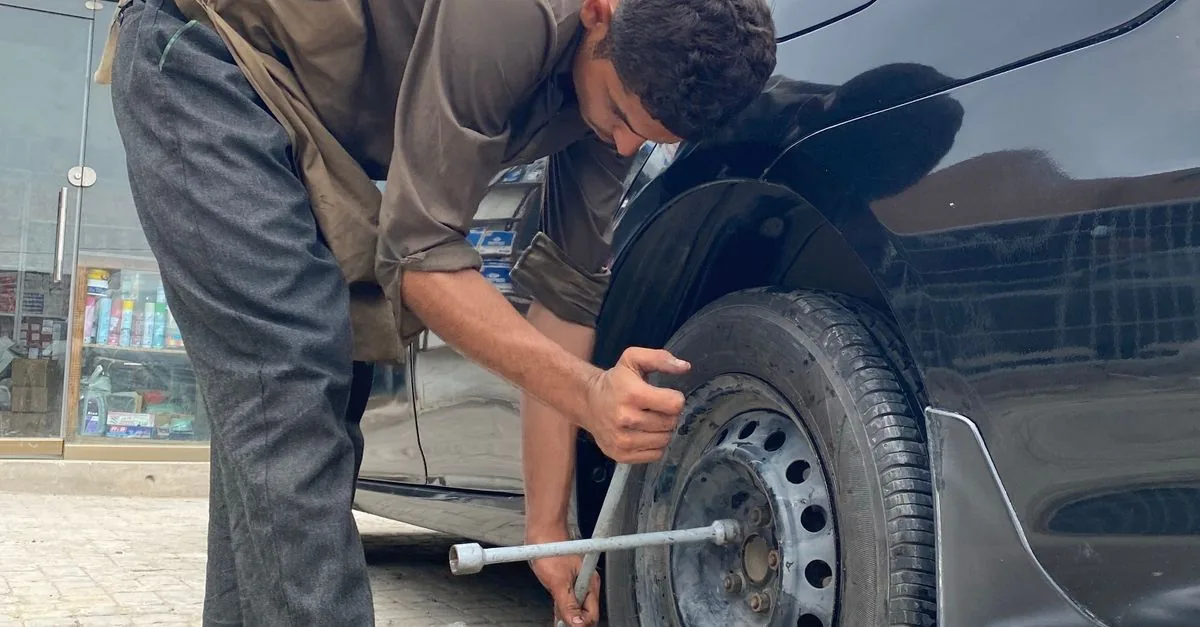
Check cold pressure on all four tires plus the spare, using the manufacturer's label on the driver's door area. Inspect tread and sidewalls for cuts, bulges, cracks, or uneven wear.
Listen for grinding or squealing, feel for vibration or a soft pedal, and note any warning lights or pulling. These symptoms matter more than any single measurement.
Older batteries, slow cranking, or a recent jump-start are reasons to test before the trip. Heat is hard on batteries and charging components.
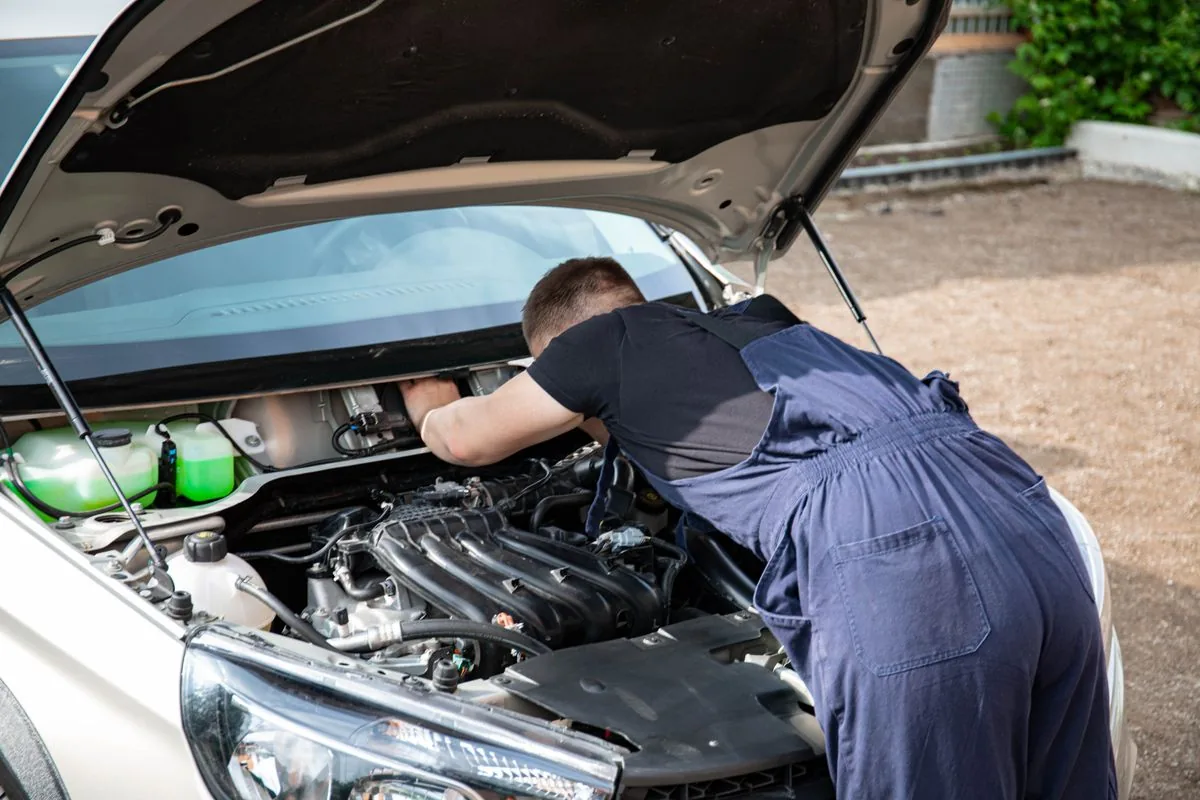
Confirm coolant level per the owner's manual and address any leaks, temperature warnings, or history of overheating before a long summer drive.
Check oil level and condition, and make sure you are not leaving with known leaks or overdue scheduled service. If the trip crosses a service interval, do it before you go.
Look for cracking, bulges, cuts, or other visible deterioration, and make sure hose connections appear secure. A failed belt can strand you fast.
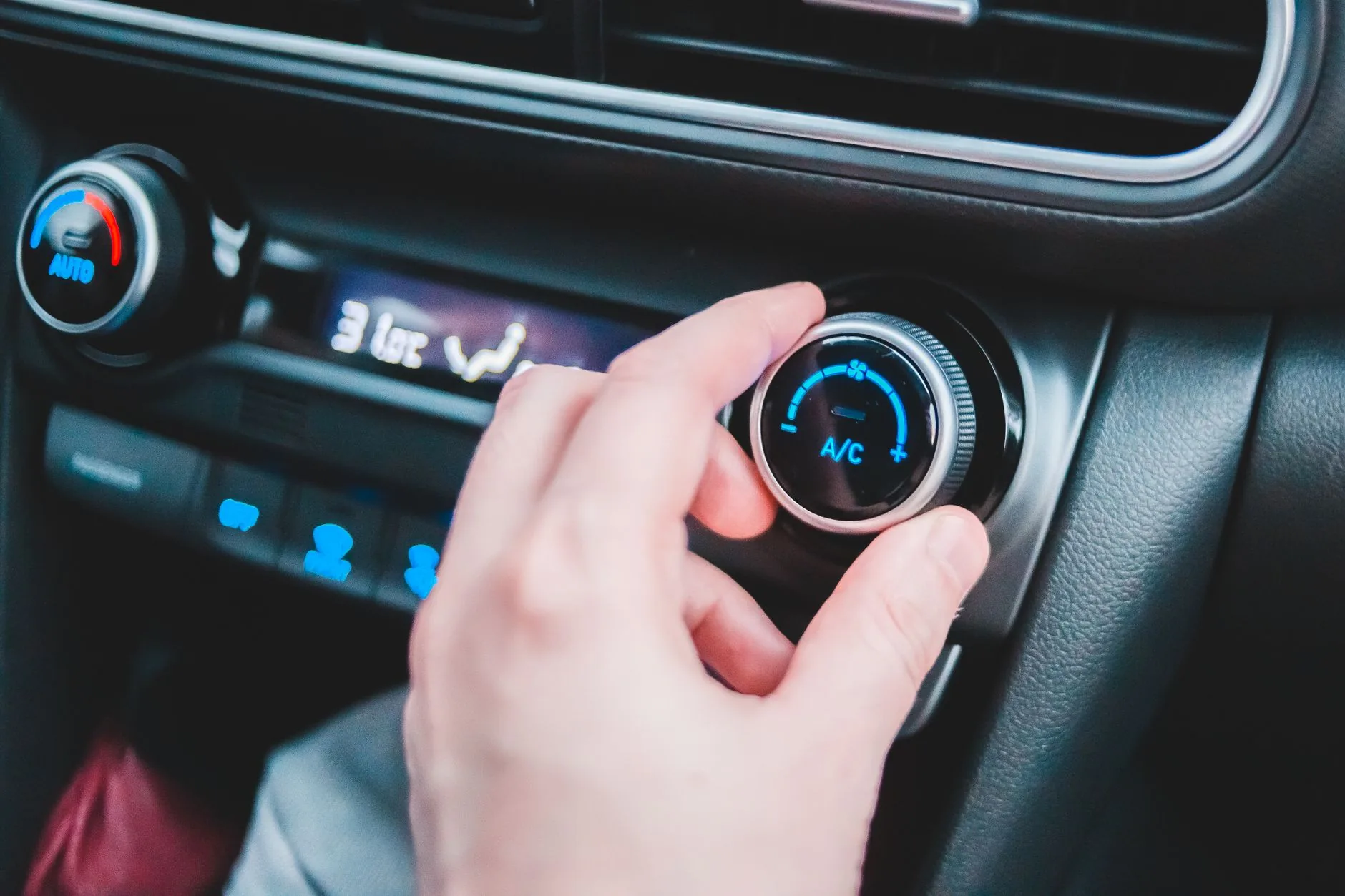
Confirm the AC is cooling normally before you depend on it for hours of travel, especially when traveling with children or older passengers.
Check headlights, brake lights, turn signals, hazards, wipers, and washer fluid. Florida rain is not the time to discover worn wiper blades.
Check for open safety recalls by VIN or license plate at NHTSA.gov/Recalls, and make sure the vehicle is reasonably current on the manufacturer's maintenance schedule.
Tires: Check Pressure Cold, Then Look Past the Sidewall
Tires deserve special attention because pressure, tread condition, and visible damage directly affect how the vehicle meets the road. Check pressure when the tires are cold, meaning the vehicle has not been driven for at least several hours. Use the pressure specified by the vehicle manufacturer, usually shown on the Tire and Loading Information label in the driver's door area and in the owner's manual.
Do not use the number molded into the tire sidewall as your normal inflation target. That is the tire's maximum pressure, not the vehicle manufacturer's recommended operating pressure. Then inspect the tread and sidewalls for cuts, punctures, bulges, cracking, abnormal wear, or other visible damage. The legal minimum tread depth is 2/32 inch, but you do not have to wait until a tire reaches the legal minimum to discuss replacement, especially if damage, age, uneven wear, or wet-weather performance is a concern. If your vehicle carries a spare, check its pressure and condition too. See our tire maintenance guide for more detail on keeping tires safe in this climate.
Brakes: Symptoms Deserve Attention Before the Trip
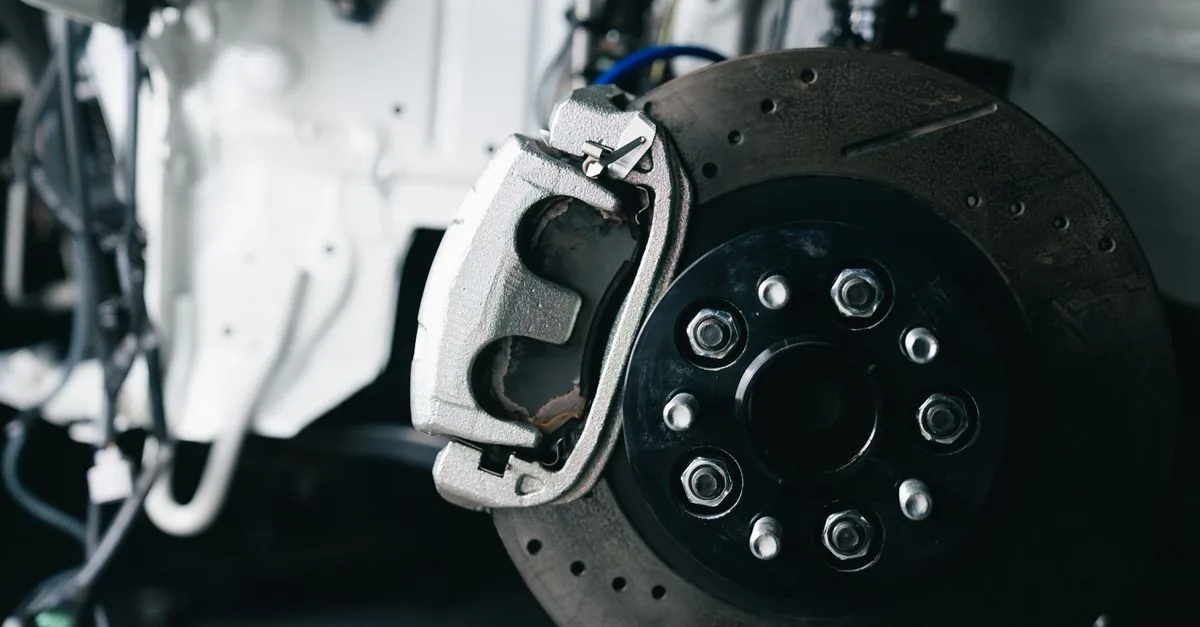
Brake condition is not something to judge by one measurement. Pad thickness, rotor condition, warning indicators, wear pattern, the manufacturer's specifications, and the way the brakes are behaving all matter. Before a trip, the symptoms deserve at least as much attention as any single number: grinding or persistent brake noise, brake pedal vibration, steering-wheel vibration when braking, a soft or unusually low pedal, brake or ABS warning lights, the vehicle pulling while braking, or noticeably reduced stopping performance.
If any of these are present, have the brakes inspected and repaired before departure, not during the trip. Read our Fort Lauderdale brake repair guide for the warning signs in more detail.
Cooling System: The Summer Make-or-Break Check
Hours of highway driving in South Florida heat put the cooling system under sustained load. Make sure the vehicle has the correct amount of coolant meeting the manufacturer's specifications, and check the system for leaks. If the vehicle already has a low-coolant warning, a visible leak, a temperature warning, or a history of overheating, do not treat the road trip as a test to see whether the problem comes back. Our cooling-system guide explains common overheating symptoms in more detail.
Do Not Open a Hot Pressurized Cooling System
If the vehicle overheats, move to a safe location and allow the system to cool. Removing a hot radiator or expansion-tank cap can release pressurized coolant and cause serious burns.
Battery and Charging: Test Before You Depend on It
A battery that is already weak or a charging system that is not working correctly can become a major inconvenience once you are away from home. Testing before the trip is a sensible precaution if the battery is older, the vehicle has recently needed a jump-start, the engine is cranking slowly, or you have seen a charging-system warning. NHTSA recommends having the battery and charging system checked before summer travel.
Do not diagnose the problem using one universal charging-voltage number. Modern charging strategies vary by vehicle, and proper testing depends on the system being evaluated. For more detail, read our car electrical repair guide on how heat causes failures.
Oil, Fluids, and Transmission: Follow the Vehicle's Schedule
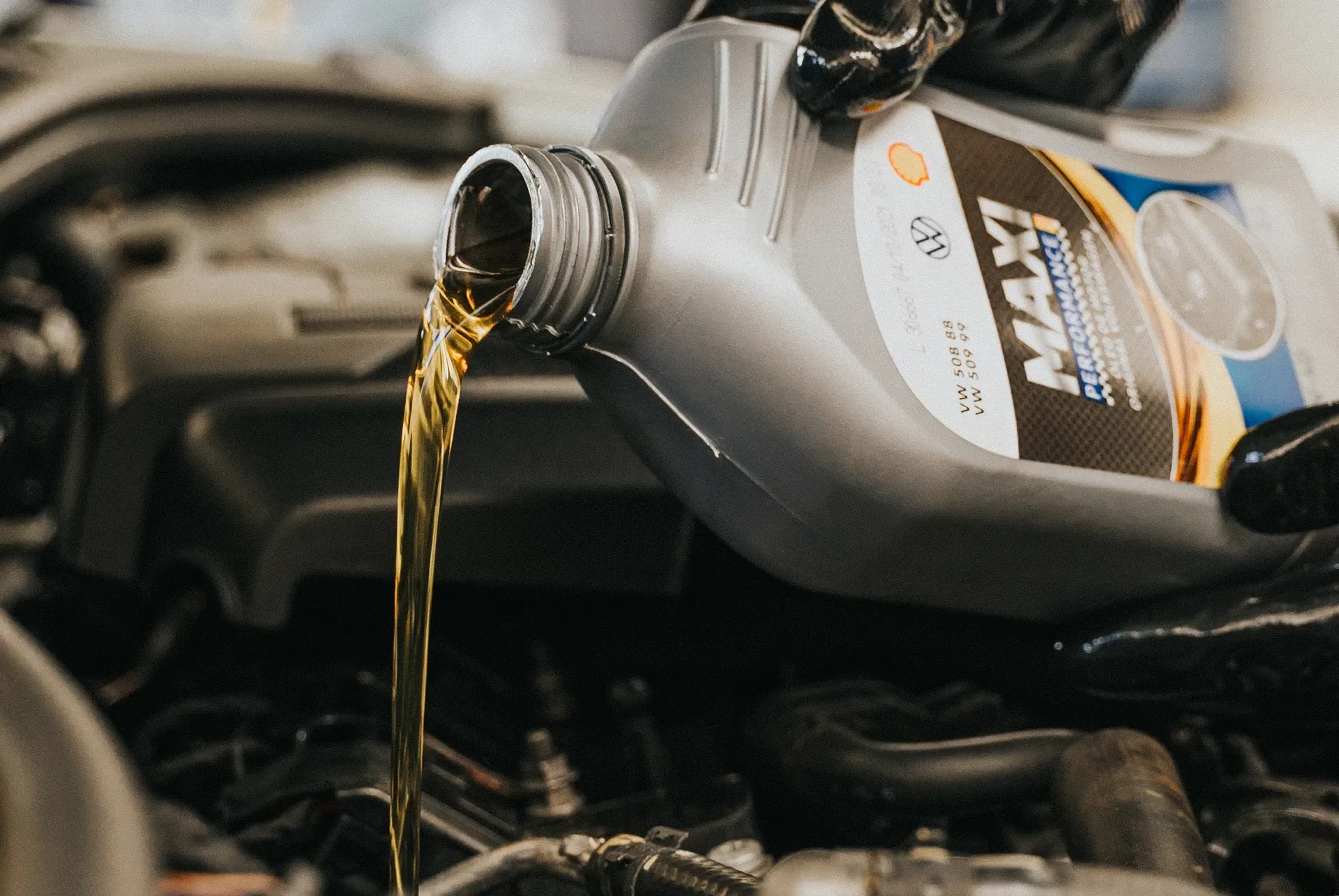
There is no rule that says every road trip requires an oil change. Check where the vehicle stands relative to the manufacturer's oil-service interval or oil-life monitor. If the service is already due or will become due during the trip, doing it before departure is convenient and saves you from having to find an unfamiliar shop on the road. Make sure applicable fluids are at the correct level and that you are not leaving with known leaks or overdue scheduled service. Our complete auto maintenance schedule covers what each service interval includes.
For the transmission, follow the maintenance information for the actual transmission rather than automatically servicing every vehicle at one mileage. Transmission designs, fluids, and manufacturer recommendations differ significantly. Before the trip, pay attention to service history as well as symptoms such as warning messages, fluid leaks, new hesitation, delayed engagement, or unusual shifting behavior.
Air Conditioning: Confirm Cooling Before the Long Drive
NHTSA specifically recommends checking AC performance before summer travel, noting that lack of air conditioning can be especially serious for children, older adults, and people sensitive to heat. If your AC is already cooling poorly, performs only while the car is moving, or has developed weak airflow or unusual noises, diagnose the problem before relying on it for hours on the highway.
A Weak AC Is a Health Item, Not Just a Comfort Item
On a long summer drive with passengers who are sensitive to heat, working air conditioning is part of trip safety. Get it diagnosed early enough that parts and repair time do not force you to delay your plans. Read our Fort Lauderdale car AC guide for more information.
Lights, Wipers, and Open Recalls
These are simple checks, but they matter when you are driving through heavy rain or traveling after dark. Before leaving, confirm the operation of headlights, brake lights, turn signals, and emergency flashers, and replace wiper blades that are worn or no longer functioning properly while topping up washer fluid.
Recall Repairs Are Different From Normal Maintenance
A road trip is a good reason to check whether your vehicle has an unresolved safety recall. NHTSA provides a free lookup by VIN or license plate at NHTSA.gov/Recalls. Open safety-recall remedies are generally handled through the manufacturer's authorized dealership network at no charge to the owner.
How Far Ahead Should You Schedule the Inspection?
There is no magic rule that says every inspection must happen exactly seven or ten days before departure. What does make sense is giving yourself enough time to deal with anything the inspection finds. If you are leaving tomorrow and the vehicle has a serious problem, there may not be enough time to diagnose it, obtain parts, and complete a proper repair without changing your travel plans.
If you know the vehicle is overdue for maintenance, has an existing warning light, has developed brake or tire symptoms, or has an uncertain service history, schedule the check earlier rather than waiting until the day before departure.
What to Pack in a Roadside Emergency Kit
Even a well-maintained vehicle can still have a problem, so NHTSA recommends carrying a roadside emergency kit. Useful items include:
- Cell phone and charger
- First-aid kit
- Flashlight
- Jumper cables
- Tire-pressure gauge
- Jack and tire-changing equipment, when applicable
- Work gloves
- Drinking water
- Nonperishable food
- Emergency warning equipment, such as flares or reflective triangles
- Extra washer fluid
- Any essential medications
Also check the weather, road conditions, and route before departure rather than treating vehicle preparation as the only part of road-trip planning.
Pre-Trip Inspection at Southport Auto Repair
Southport Auto Repair is a family-owned Fort Lauderdale repair shop serving the area since 2009. The shop handles factory scheduled maintenance, brakes, diagnostics, air conditioning, suspension, transmission service, and other mechanical and electrical repairs.
If you are planning a long drive and want the vehicle checked first, tell us where you are going, how far you expect to drive, and whether the car has any existing symptoms or overdue maintenance. The vehicle gets evaluated based on its actual condition rather than a generic point checklist or an automatically sold service package. Reach us through our contact page or call the shop directly.
Road Trip Inspection FAQ
What should I check before a long road trip?
Check tire pressure and condition, brakes, battery and charging system, coolant and other fluids, belts and hoses, AC performance, lights, wipers, current maintenance, and open safety recalls. If the vehicle has symptoms or an unknown service history, consider a professional inspection before leaving.
How far in advance should I have my car inspected?
There is no fixed number of days that applies to every trip. Give yourself enough time to diagnose and repair anything the inspection finds. If the vehicle already has a warning light, leak, brake problem, or other symptom, schedule the inspection sooner rather than waiting until the day before departure.
Should I change my oil before a road trip?
Check your vehicle's maintenance schedule or oil-life monitor. If the service is already due or will become due during the trip, doing it before departure is convenient. There is no universal requirement to change otherwise-current oil simply because you are taking a road trip.
What tire pressure should I use before a road trip?
Use the vehicle manufacturer's recommended cold tire pressure shown on the Tire and Loading Information label or in the owner's manual. Do not use the maximum pressure molded into the tire sidewall as your normal inflation target.
Should I check for recalls before traveling?
Yes. NHTSA provides a free recall lookup by VIN or license plate at NHTSA.gov/Recalls. If your vehicle has an open safety recall, contact the manufacturer's authorized dealer, since recall repairs are generally completed at no charge.
Heading Out of Fort Lauderdale?
If your vehicle has overdue maintenance, warning lights, brake noise, tire concerns, weak AC, battery trouble, or an unknown service history, call Southport Auto Repair before the trip. It is much easier to address a problem at home than on the side of the road several states away.
101 SW 17th St, Fort Lauderdale, FL 33315
Monday-Friday: 8:00 AM-6:00 PM
This article is general vehicle-maintenance information for trip planning. Recommendations vary by make, model, and driving conditions, so confirm specifics against your owner's manual. Tire-safety, battery, AC, and emergency-kit guidance reflects NHTSA's published summer driving safety tips. Southport Auto Repair is a family-owned Fort Lauderdale repair shop serving the area since 2009.

Your BMW’s Maintenance Schedule: What It Actually Needs in Fort Lauderdale (and When)
CV Axle Replacement in Fort Lauderdale: Clicking, Vibration & Torn Boot Signs
Wheel Bearing Replacement Fort Lauderdale: 7 Warning Signs and 2026 Cost Guide

8 Best Options for Reliable Engine Tune Up Fort Lauderdale Drivers Trust
Catalytic Converter Repair in Fort Lauderdale: P0420, Warning Signs & Diagnosis