Your Car Requires Immediate Repair: Don’t Ignore These Warning Signals!
- By John Xipolitidis
- Auto Repair Services, Automobile
- Dec 22, 2025
Many drivers ignore the early clues that a car is in trouble. A new noise, a small puddle in the driveway, a light on the dashboard that was not there yesterday. Each one is the car asking for attention, and catching them early is almost always cheaper than waiting.
This guide covers the warning signs that mean your car needs immediate repair, from dashboard lights and strange noises to fluid leaks and smoke, and what to do when you spot them. Need emergency car repair in Fort Lauderdale? We can help.
Quick answer: Stop driving and get help for a flashing check engine light, red oil-pressure or temperature warnings, brake fluid leaks, heavy smoke, or sudden loss of power or braking. Schedule a visit soon for a steady check engine light, new noises, small fluid drips, or declining performance. Learn about our emergency car repair services.
The Check Engine Light
The check engine light means the engine computer has detected an issue, and the range runs from minor to serious. A steady light with the car driving normally usually calls for a diagnostic visit soon. Common causes include a loose gas cap, oxygen-sensor faults, catalytic converter efficiency codes, ignition misfires, or airflow-sensor problems. Read our guide to check engine light issues.
A flashing light is different. It can indicate a severe misfire, and continued driving can damage the catalytic converter. Reduce driving and have the vehicle evaluated promptly. For a deeper explanation, see our check engine light diagnostic guide and engine diagnostics guide.
Never Ignore a Flashing Check Engine Light
A flashing light signals a condition that can cause expensive damage if you keep driving, most often a severe misfire. Pull over safely, reduce driving, and call for advice. Driving through it to “see if it goes away” is how a simple ignition repair becomes a catalytic converter replacement.
Unusual Noises Are Early Warnings
Noises are one of the clearest diagnostic clues a car gives. The type of sound and when it happens help pinpoint the system involved.
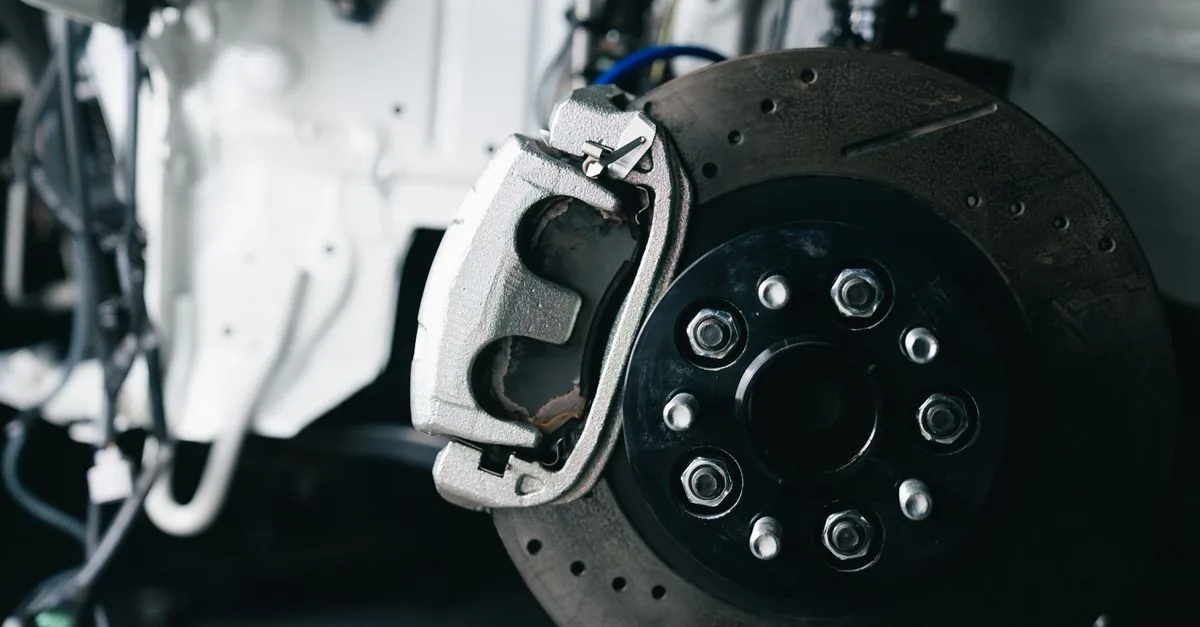
Often means brake pads are worn through to metal. Every stop damages the rotors further, so have the brakes inspected immediately.
Commonly a loose or worn serpentine belt, or brake wear indicators doing their job. Either way, it deserves a look before it becomes a failure.
Frequently points to suspension or steering components, such as worn shocks, struts, or loose hardware. Handling and safety suffer as it worsens.
A deep knocking from the engine can signal serious internal problems. Shut it off and get it diagnosed rather than driving on.
If the noise is brake-related, our brake repair warning signs guide explains what each sound means and what to expect.
Fluid Leaks: What Is Dripping and How Urgent Is It
Essential fluids keep the engine lubricated, cool, and able to stop the car. A leak is never normal, but urgency varies by fluid.
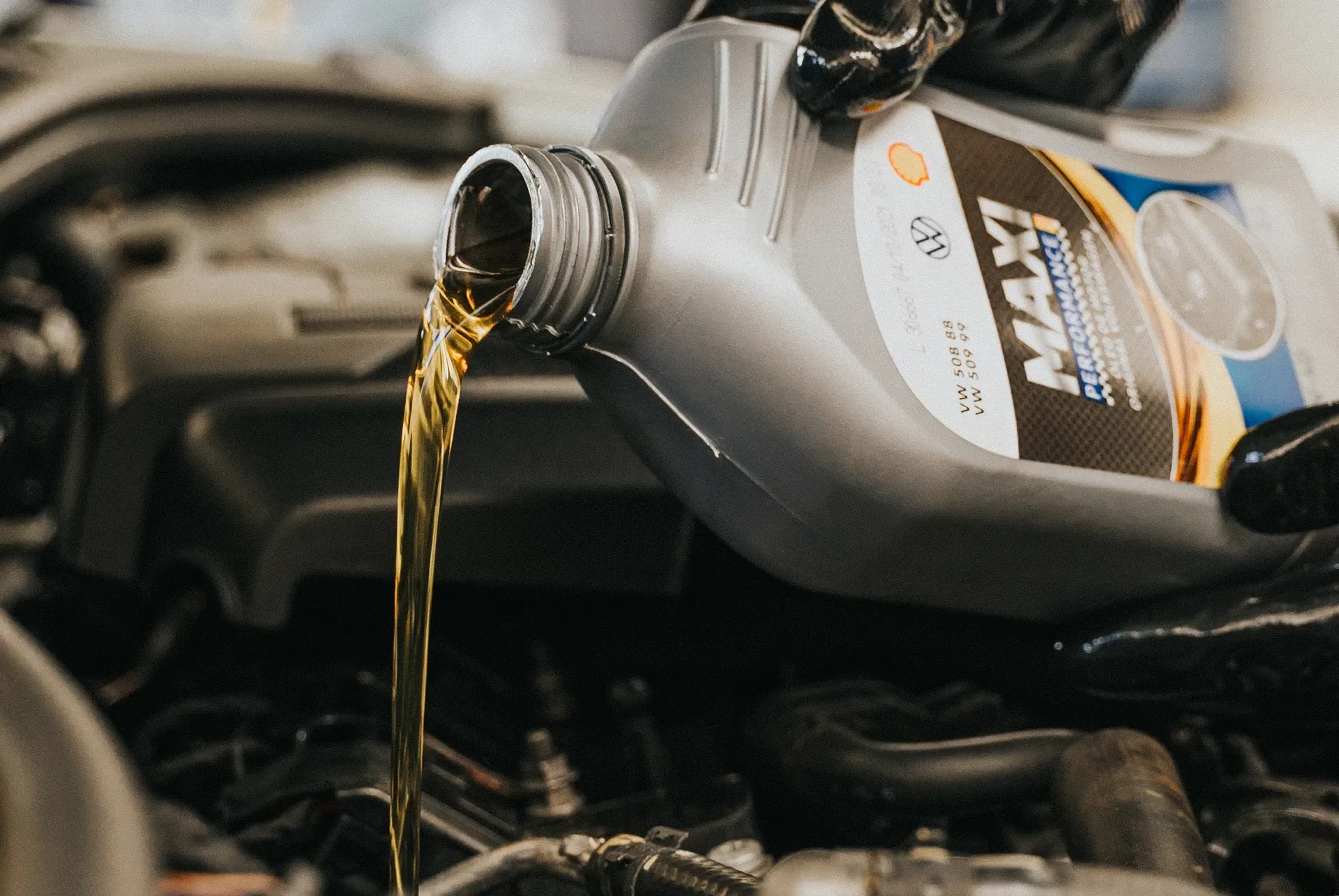
- Engine oil: dark brown or black puddles under the engine. Low oil can destroy an engine, so check the dipstick and do not drive far if it is low.
- Coolant: green, orange, or pink fluid near the front of the car, often with a sweet smell. Coolant loss leads to overheating, which can warp a cylinder head.
- Transmission fluid: reddish fluid under the middle of the car. Low transmission fluid causes slipping and overheating that can ruin the transmission.
- Brake fluid: clear to brownish fluid near the wheels. This is the most urgent leak on the list.
Brake Fluid Leaks and Overheating Are Emergencies
If you see brake fluid leaking or the brake pedal feels soft or sinks, do not drive the car. Likewise, if the temperature gauge climbs into the hot range, pull over safely and shut the engine off. Continuing to drive with either condition risks brake failure or severe engine damage. Our cooling system repair guide covers what overheating means and what to do next.
Smoke: What the Color Tells You
Smoke color is a quick diagnostic shortcut. If you see smoke, pull over safely and shut the engine off until you know what is happening.
- Blue or gray smoke usually means oil is burning, often from worn valve seals or piston rings.
- White smoke typically suggests coolant entering the combustion chamber, sometimes from a failing head gasket.
- Black smoke points to an overly rich fuel mixture or air-intake issues, such as faulty injectors or a restricted air filter.
Any persistent smoke deserves a prompt diagnosis. If the car broke down or feels unsafe to drive, see our car breakdown guide for what to do next.
Performance Problems That Signal Trouble
A noticeable decline in how the car drives is the car telling you something is wrong. Watch for poor acceleration, rough idling, unusual vibrations, or hesitation. Common culprits include ignition problems, fuel-delivery issues, clogged filters, failing sensors, or transmission trouble. These problems make combustion less efficient, which can noticeably hurt fuel economy and accelerate engine wear.
The longer performance issues go unaddressed, the more systems they tend to drag down with them. A misfire left alone can damage the catalytic converter. A slipping transmission left alone can fail entirely. Early diagnosis keeps a small repair small.
Warning Lights You Should Never Ignore
Beyond the check engine light, three dashboard warnings demand immediate attention: the oil-pressure light (low lubrication from a leak or pump failure), the battery or charging-system light (the car is running on battery power alone), and the ABS or brake-system light (a fault in the braking system). If any of these come on while driving, reduce speed, pull over safely, and get the car checked before driving further.
When in Doubt, Call and Describe It
You do not need to diagnose the car yourself. If something feels wrong, call the shop, describe exactly what the car is doing, and ask whether it is safe to drive in. A two-minute conversation can prevent a very expensive mistake. For a broader checklist of urgent symptoms, see our top 10 signs your vehicle needs immediate repair.
Warning Signs FAQ
What should I do if my check engine light starts flashing?
Reduce driving and have the vehicle evaluated promptly. A flashing light can indicate a severe misfire that may damage the catalytic converter. If the car is also shaking, losing power, or overheating, pull over safely and call for advice.
What does blue smoke from the exhaust mean?
Blue or gray smoke usually means oil is burning, often from worn valve seals or piston rings. White smoke typically suggests coolant entering the combustion chamber, and black smoke points to an overly rich fuel mixture.
Is a small fluid leak urgent?
It depends on the fluid. Brake fluid leaks and coolant loss are urgent. Oil and transmission leaks should be checked soon, since low levels can cause severe damage. Any leak deserves attention before it becomes a breakdown.
What do grinding brakes mean?
Grinding when braking often means the pads are worn through to metal and are damaging the rotors with every stop. Have the brakes inspected immediately rather than continuing to drive.
Can I drive with the oil pressure light on?
No. The oil-pressure light means the engine may not be getting proper lubrication. Continued driving can cause severe internal damage within minutes. Pull over safely and shut the engine off.
Something Wrong With Your Car?
Do not wait for a small warning to become a big repair. Call Southport Auto Repair, describe what your car is doing, and we will tell you honestly whether it needs immediate attention.
101 SW 17th St, Fort Lauderdale, FL 33315
Monday-Friday: 8:00 AM-6:00 PM
Warning-light and diagnostic guidance reflects standard OBD-II practice and widely published automotive safety guidance. If your car shows any of these symptoms, call (954) 527-0942 or visit our contact page for advice on your specific situation.