Emergency Car Repair in Fort Lauderdale — Fast, local help when every minute counts
- By John Xipolitidis
- Engine Diagnostics
- Feb 27, 2026
A breakdown never happens at a convenient time. One minute you are driving down Federal Highway, the next you are on the shoulder with steam under the hood or a car that will not start. What you do in the first few minutes matters more than anything else, for your safety and for your car.
This guide covers the steps to take at the scene, the emergencies local drivers run into most, when to call a tow instead of driving on, and how Southport Auto Repair handles urgent repairs during business hours.
Quick answer: Get the car fully off the road, turn on your hazard lights, and stay in a safe spot away from traffic. Do not open a hot hood if there is steam, and do not keep driving an overheating car or one with brake trouble. During business hours (Monday-Friday, 8:00 AM-6:00 PM), Southport Auto Repair takes urgent repairs so you can get back on the road the same day whenever possible.
First, Make the Scene Safe
Before you think about what is wrong with the car, think about where you are. Most roadside injuries happen because drivers stand too close to traffic or try to inspect the engine on a busy shoulder. Work through these steps in order.
Pull as far onto the shoulder or into a parking lot as the car will go. On highways, aim for the right shoulder, well clear of the travel lanes.
Hazards make you visible to other drivers immediately, day or night. If it is dark, keep headlights on too.
If you are on a highway or a fast arterial, the safest place is inside the car with your seatbelt on, not standing on the shoulder.
Place it 50 to 100 feet behind the car to give approaching drivers early warning. Flares work the same way at night.
If steam or smoke is coming out, leave the hood closed and step back. A hot, pressurized cooling system can cause serious burns.
A tow or roadside service is cheaper than a secondary accident. If anything feels unsafe, wait for professionals.
Steam, Smoke, or a Fuel Smell Means Stop Immediately
If you see steam or smoke under the hood, smell fuel, or see fluid pouring onto the road, shut the engine off, get everyone out of the car and away from traffic, and call for help. Do not try to drive to the shop, and do not open the radiator or coolant cap while anything is hot. These are the situations where a tow is always the right call.
Common Roadside Emergencies and What They Usually Mean
Most breakdowns in Fort Lauderdale fall into a handful of familiar patterns. Knowing which one you are dealing with helps you decide whether it is safe to drive a short distance or time to call a tow.
Clicking or silence when you turn the key, dim lights, and electronics that flicker. Heat is hard on batteries, so have yours tested at each service visit. A jump-start can get you moving, but a battery that dies twice needs replacement, not another jump.
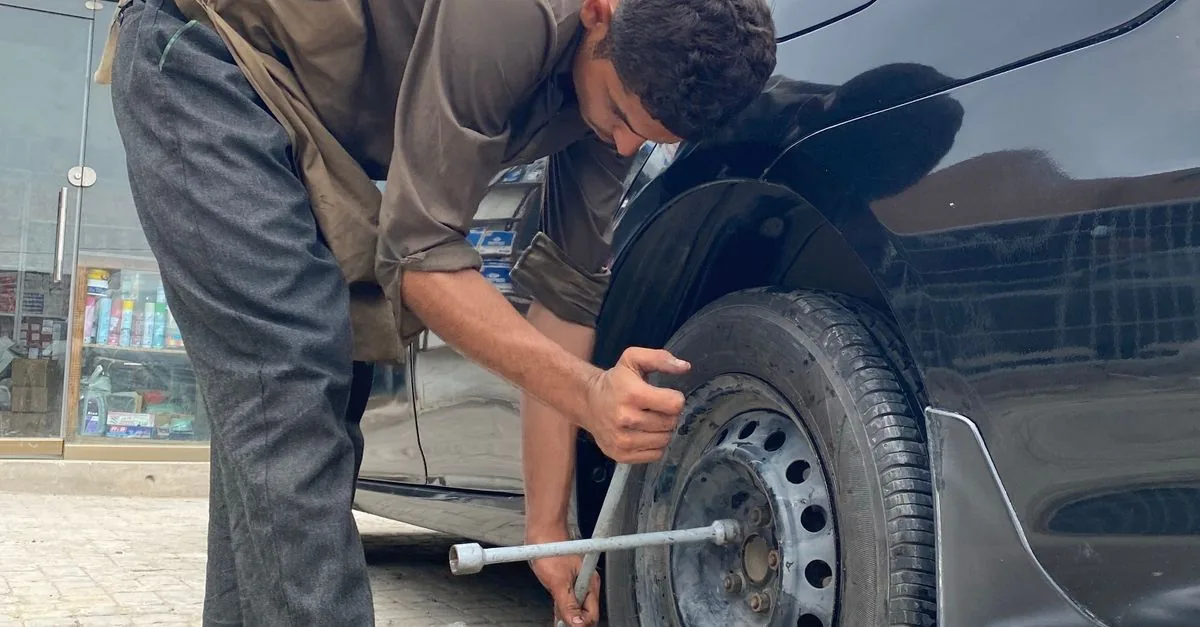
A sudden pull to one side, flapping noise, or the thump of a rim on pavement. If you have a spare and a safe, level spot, a swap gets you rolling. Most temporary spares are rated for about 50 mph and limited distance, so check the sidewall and head straight for a tire repair.
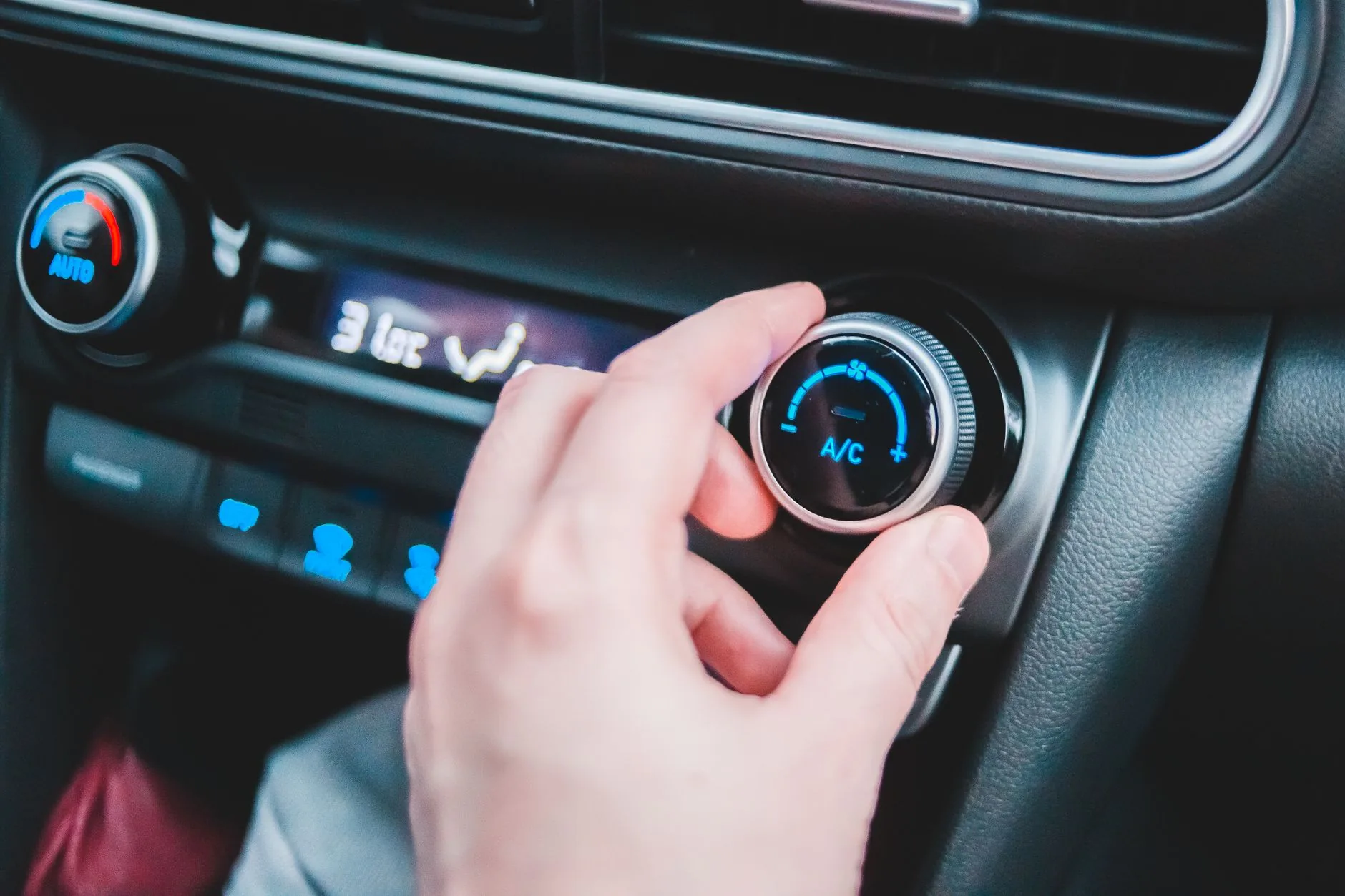
Temperature gauge climbing, steam, or a hot smell. Turn off the air conditioning, turn the heater to full hot to pull heat off the engine, and pull over as soon as it is safe. Driving an overheating engine can warp the cylinder head, which turns a cooling-system repair into an engine rebuild. Our cooling system guide explains what fails and why.
A soft pedal, grinding, pulling to one side, or the brake warning light. Brake problems are never a wait-and-see situation. If the pedal goes to the floor or you hear grinding, stop driving and call a tow. See our brake warning signs guide for the full list.
Cranks but will not catch, or dies at idle. Causes range from a weak fuel pump to a failed sensor. If it stalls repeatedly in traffic, that is a safety issue, not just an inconvenience. Accurate engine diagnostics finds the cause instead of guessing.
A steady check engine light means schedule diagnosis soon. A flashing check engine light means an active misfire that can damage the catalytic converter, so reduce speed and get it checked right away. Our check engine light guide walks through what each pattern means.
When to Call a Tow Instead of Driving On
Drivers often try to nurse a failing car to the shop to save the tow fee. Sometimes that works. Sometimes it turns a $300 repair into a $3,000 one. Call a tow when any of these apply: the temperature gauge is in the red, the oil or brake warning light is on, the steering feels wrong, you hear grinding from the brakes or wheels, there is smoke or a strong fuel smell, or the car stalls repeatedly. If you are unsure, describe the symptoms when you call the shop. A two-minute conversation can save you from making a small problem much bigger.
After Hours? Secure the Car and Call in the Morning
If trouble strikes outside business hours, lock the car in the safest spot available, take your valuables, and arrange a tow to the shop or your driveway. Write down exactly what happened and what you noticed (sounds, smells, lights, gauge readings). Those details make the morning diagnosis faster and more accurate.
What Southport Can Handle Urgently
During business hours, urgent repairs get priority scheduling because a car that cannot be driven safely cannot wait in line. Common same-day urgent work includes battery testing and replacement, tire changes and puncture repairs, brake inspections and pad replacement, cooling-system diagnosis and repair, and check engine light diagnostics. Every urgent visit starts with an inspection and a clear explanation of what is wrong, what it will take to fix, and what it costs before any work begins.
What to Tell Us When You Call
Have this ready: where the car is, whether it is safe to drive, the year, make, and model, and exactly what happened in your own words. Sounds, smells, warning lights, and gauge readings all help. If the car was towed in, leave the key and a note with your phone number so the technician can reach you with findings. You can reach us through our contact page or by phone during business hours.
Emergency Car Repair FAQ
My car overheated. Can I drive it to the shop once it cools down?
Sometimes, but it is a gamble. If the gauge only touched the hot range briefly and there is no steam or coolant loss, a careful short drive may be fine. If it overheated badly, lost coolant, or does it again, call a tow. Driving an overheating engine risks cylinder head damage that costs far more than a tow.
Should I try to jump-start my car myself?
Yes, if you have cables and know the correct order, and the battery is simply drained. Connect positive to positive and negative to a grounded metal surface, not the dead battery’s negative terminal. If the car needs jumps repeatedly, the battery or charging system needs testing, not another jump.
Is it safe to drive on a temporary spare?
For a short distance at reduced speed, yes. Most temporary spares are rated for about 50 mph and limited mileage, so check the sidewall and drive directly to a tire shop. Do not treat it as a full replacement.
What should I do if my brake pedal feels soft?
Do not keep driving. A soft or sinking pedal can mean low brake fluid or a hydraulic problem, and braking performance may fade without warning. Pull over safely and call a tow.
Do you take walk-in emergency repairs?
Urgent repairs are prioritized during business hours, Monday through Friday, 8:00 AM to 6:00 PM. Calling ahead with your symptoms helps us prepare, but if the car is already at the shop, bring the key inside and explain what happened.
Car Trouble in Fort Lauderdale? Talk to Us First
Whether your car is at the shop, on a tow truck, or sitting in your driveway with a warning light on, a quick conversation gets you a straight answer on what to do next. Urgent repairs get priority during business hours.
101 SW 17th St, Fort Lauderdale, FL 33315
Monday-Friday: 8:00 AM-6:00 PM
Roadside safety steps in this guide follow widely published guidance from national traffic safety organizations. Repair recommendations reflect common industry practice for passenger vehicles. Every vehicle is different, so confirm the right course of action for your specific situation with a qualified technician.