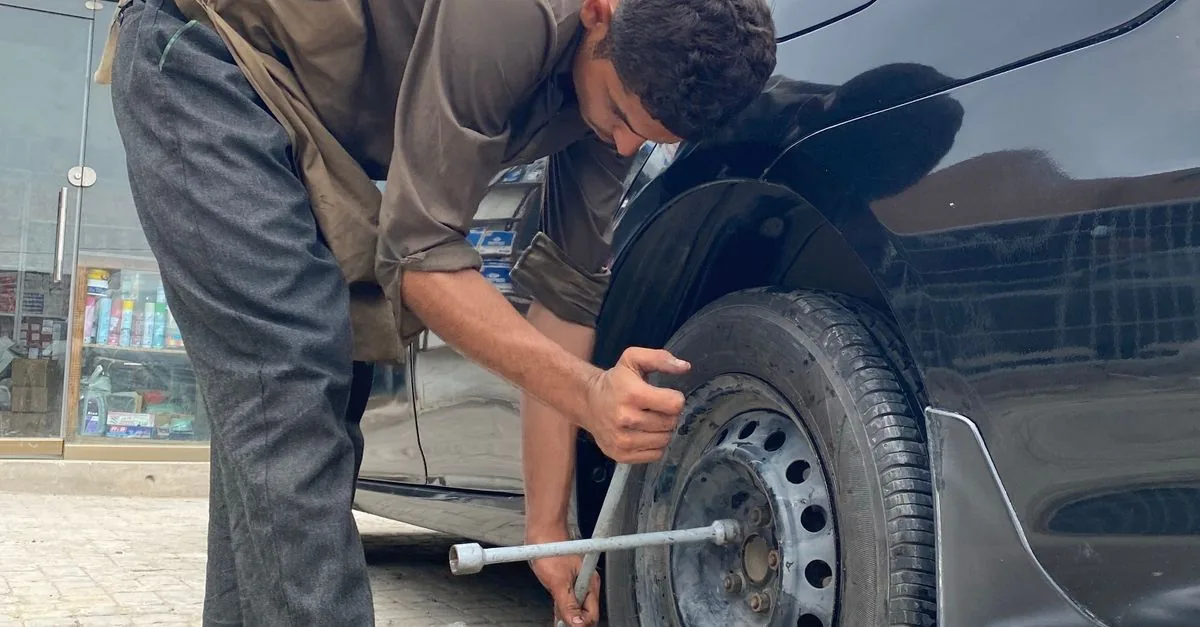
Same-Day Tire Repair in Fort Lauderdale: Fast, Professional, and Reliable Service for Your Vehicle
- By John Xipolitidis
- Auto Repair Services, Automobile
- Apr 27, 2026
A nail in the tread, a slow leak that keeps coming back, or a vibration that was not there last week: tire problems rarely arrive at a convenient time. Same-day tire service exists so a fixable problem does not turn into a missed day, a tow, or a blowout.
This guide covers what same-day tire repair handles, the warning signs that mean you should come in today, how the repair-or-replace decision is made, and how to prepare so your visit is fast.
Quick answer: Many simple puncture repairs take 30 to 60 minutes. A tire can usually be repaired if the puncture is in the tread area, is small, and the tire has not been driven on while flat. Sidewall damage, bulges, and large cuts mean replacement. If you see a bulge or blister, do not drive on the tire.
What Same-Day Tire Service Covers
Same-day service is about getting a safe, correct fix without leaving the car overnight. Typical same-day work includes puncture repairs, valve stem replacement, tire mounting and balancing, rotations, and flat-tire diagnosis. The goal is simple: fix what is fixable properly, and tell you honestly when a tire cannot be saved.
Fast does not mean rushed. A proper puncture repair means removing the tire, inspecting the inside for hidden damage, and installing a plug-patch combination from the inside, not just pushing a plug in from the outside. That inside inspection is what separates a repair you can trust from one that fails later.
Signs You Need Tire Service Today
Catching these early keeps a small problem small. If you notice any of the following, do not put the visit off.
Nails, screws, and road debris cause most flats. If you can see the object or the hole, come in before the tire loses more air or the object works deeper.
A bulge means the tire’s internal structure is damaged, usually from a pothole or curb impact. A bulging tire can fail suddenly. Do not drive on it; have the car towed or put on the spare.
Unusual vibration can mean imbalance, misalignment, or internal tire damage. If it appeared suddenly, have it checked before it gets worse.
Having to add air every few days points to a slow leak, a damaged valve, or a bead seal problem. Repeated top-offs are a warning, not a fix.
Bulges Mean the Tire Is Done
A bulge or blister in the sidewall indicates broken internal cords. There is no safe repair for this; the tire must be replaced, and driving on it risks a sudden blowout. If you spot one, minimize driving and get the tire replaced promptly.
Repair or Replace? How the Call Is Made
Not every damaged tire can be repaired, and a good shop will tell you when replacement is the right answer. The decision comes down to a few factors.
| Tire Type | Repair Considerations | What to Know |
|---|---|---|
| All-season tires | Tread punctures are usually straightforward to repair | Check tread depth and age; an old tire may not be worth repairing. |
| Performance tires | Repairs must preserve structural integrity | Handling precision depends on the tire’s construction; follow repair limits closely. |
| Run-flat tires | Follow manufacturer rules; some run-flats are not repairable | Driving distance and speed after pressure loss determine whether repair is allowed. |
| Sidewall damage (any tire) | Not repairable | Punctures or cuts in the sidewall flex constantly and cannot be safely patched. |
The Three Rules of a Safe Repair
First, the puncture must be in the tread area, not the shoulder or sidewall. Second, the hole must be small, generally a quarter inch or less in diameter. Third, the tire must not have been driven on while flat, which damages the sidewall from the inside. If any of those fail, replacement is the safe call.
How to Make Your Visit Fast
A little preparation gets you back on the road sooner. When you call, have your vehicle’s year, make, and model ready along with a short description of the problem. If the car has a spare and you are comfortable using it, arriving on the spare is safer than driving on a damaged tire. Clear personal items from the trunk in case a tire needs to come out. And if you are unsure whether the tire is safe to drive on, ask when you call; that is what the phone call is for.
Between Visits: Simple Tire Care
Check pressure monthly, inspect for cuts and bulges, rotate every 5,000 to 7,500 miles or per your owner’s manual, and avoid overloading the vehicle. Well-maintained tires last longer, handle better, and are less likely to surprise you. Our tire maintenance guide covers the full routine, and our performance tire guide helps if you are shopping for a European car.
Same-Day Tire Repair FAQ
How long does a typical same-day tire repair take?
Many simple puncture repairs take 30 to 60 minutes, depending on the damage and the shop’s schedule. Mounting and balancing a replacement tire adds time. Calling ahead lets the shop prepare and gives you a realistic wait.
Can every puncture be repaired?
No. A safe repair requires the puncture to be in the tread area, small in diameter, and the tire must not have been driven on while flat. Sidewall damage, large cuts, and bulges mean the tire must be replaced.
Can run-flat tires be repaired?
Sometimes, but it depends on the manufacturer’s rules and how far and fast the tire was driven after losing pressure. Some run-flats are not repairable at all. A technician needs to inspect the tire to make the call.
Do I need an appointment for same-day service?
Calling ahead is strongly recommended. Same-day service depends on the repair, scheduling, and parts availability, and a quick call lets the shop confirm they can fit you in and prepare for your vehicle.
Are tire repairs covered by warranty?
Many tires include manufacturer warranties for defects, and shops typically stand behind their repair workmanship. Keep your receipt, understand what your tire’s warranty covers, and ask the shop about their policy on the specific repair before work begins.
Tire Problem? Get It Fixed Today.
Call Southport Auto Repair, describe what the tire is doing, and get a straight answer about whether it can be repaired or needs replacement. The shop has served Fort Lauderdale since 2009 and works on all makes, including European vehicles. See what drivers say on our reviews page, or reach out here.
101 SW 17th St, Fort Lauderdale, FL 33315
Monday-Friday: 8:00 AM-6:00 PM
Repair guidelines follow generally accepted tire industry practices for puncture repair (tread area only, limited diameter, no driving on a flat). Your specific tire’s manufacturer may have additional restrictions, especially for run-flat models. Estimates vary by tire size, type, and availability.