Top 10 Signs Your Vehicle Requires Immediate Repair: Attention Today
- By John Xipolitidis
- Auto Repair Services, Brake Services, Fluid Flushes, Oil Changes, Routine Maintenance
- Jan 29, 2026
Cars rarely break down without warning. They telegraph trouble first: a new noise, a warning light, a smell, a puddle in the driveway. Drivers who recognize these signs early avoid the breakdowns and the repair bills that follow ignored warnings.
Here are the ten signs that mean your vehicle needs attention now, not at the next oil change, and what each one is telling you.
Quick answer: Stop driving and get help right away for: a flashing check engine light, overheating, brake failure symptoms, sudden fluid loss, or smoke. For the rest, schedule service within days. Catching problems at the warning stage is almost always cheaper than catching them at the breakdown stage.
The 10 Signs, Ranked by Urgency
Not every warning sign is an emergency, but every one deserves a response. Here is how to read them:
A steady light means schedule a diagnosis soon. A flashing light means an active misfire that can destroy the catalytic converter. Reduce speed and get it checked immediately. See our check engine light guide.
Overheating can warp cylinder heads in minutes. If the gauge moves into the hot range or steam appears, pull over safely and shut the engine off. Do not open a hot radiator cap.
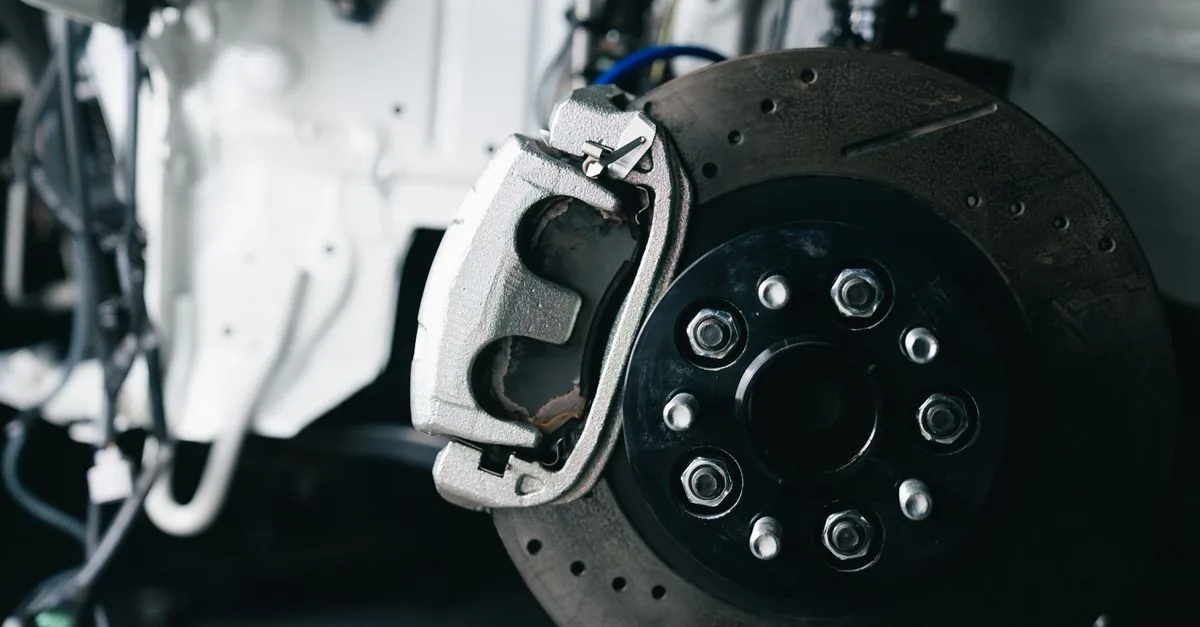
Spongy pedal, grinding, squealing, pulling to one side, or a brake warning light. Brakes are the one system where "wait and see" is never the right call. Read the brake warning signs guide.
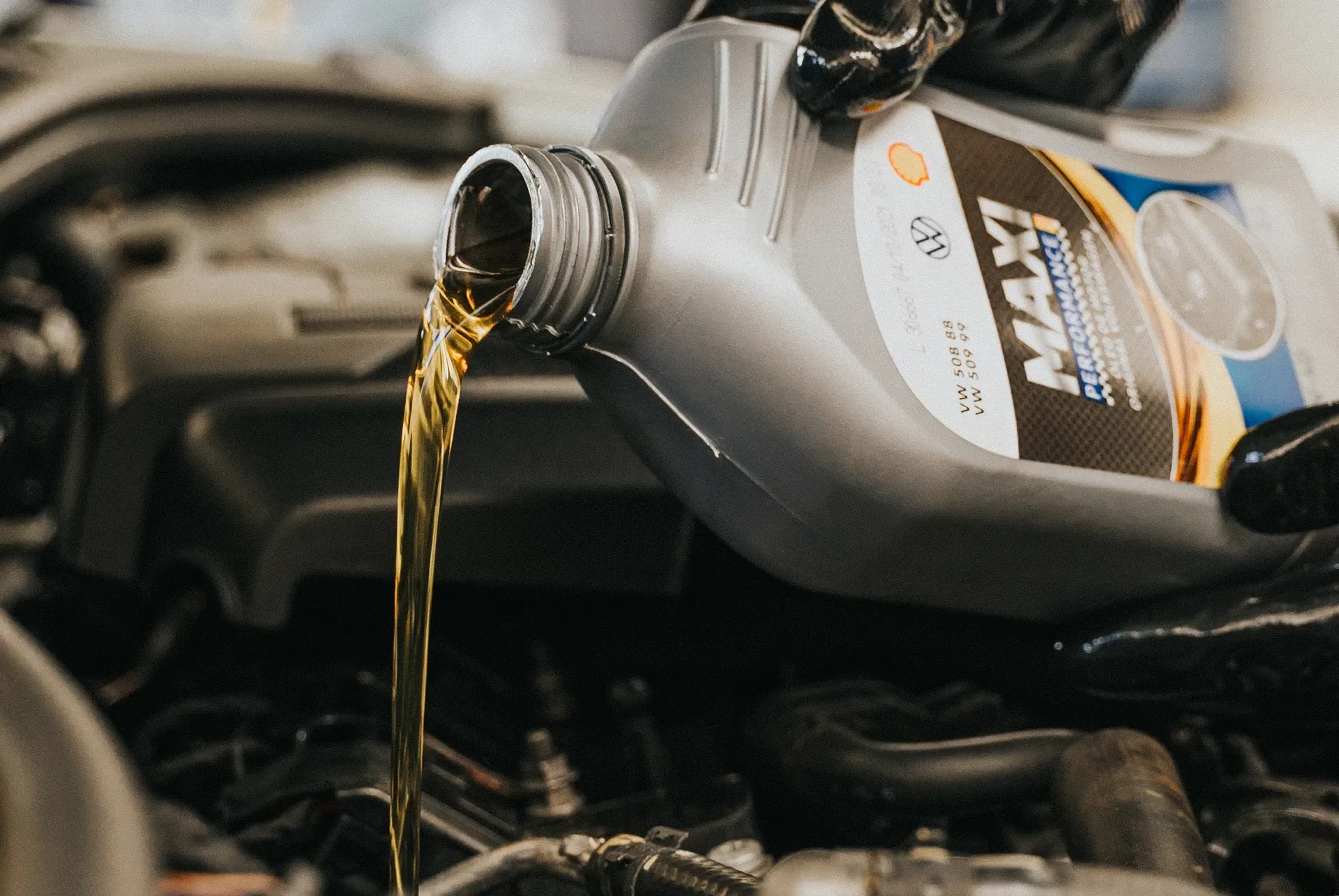
A growing puddle of red, green, or dark fluid under the car means a leak that is getting worse. Coolant and brake fluid leaks are urgent. Transmission fluid leaks lead to expensive damage if driven on.
Smoke from under the hood or a burning odor signals overheating, an oil leak onto hot exhaust, or an electrical short. Stop, shut off, and investigate before driving on.
Knocking from the engine can mean bearing wear or detonation. Grinding when braking means pads are gone. Clunking over bumps points to suspension. New noises are always new information.
Vibration at speed, wandering, or a steering wheel that suddenly feels loose. These affect your control of the car and often trace to tires, alignment, or worn suspension parts.
Delayed engagement, slipping between gears, or harsh shifts. Transmission problems get dramatically more expensive the longer they run. Early diagnosis is the cheapest transmission repair there is.
Dimming lights, slow cranking, flickering dash, or accessories that work intermittently. Heat is brutal on batteries and connections in South Florida. Our electrical and heat guide explains why.
A suddenly loud exhaust, rotten-egg smell, or visible smoke can mean a failing catalytic converter or an exhaust leak letting fumes toward the cabin. Get it inspected promptly.
When to Stop Driving Immediately
Pull over and shut the engine off for: a flashing check engine light, any overheating, loss of brake pedal, heavy smoke, or a sudden large fluid leak. Driving on through these turns a repair into a rebuild. If you are unsure whether it is safe to drive, call and ask. For breakdowns, see our emergency car repair guidance.
Quick Checks You Can Do Before the Shop
You do not need tools to triage most warning signs. Check fluid levels and look for active drips. Note exactly when the symptom happens: cold start, highway speed, braking, turning. Listen for where a noise comes from. Check tire pressure and look for uneven wear. Then bring those observations to the shop, because precise symptoms make diagnosis faster and cheaper.
If warning lights stay on after your checks, schedule professional diagnostics. A scan reads the fault codes and tests the suspect systems, which beats guessing every time. For a second take on urgent symptoms, our guide to signs your car demands immediate repair covers the same ground from the safety angle.
Why Small Problems Become Big Bills
A $20 seal becomes a $2,000 repair when the fluid it was holding runs dry. A worn $60 belt becomes a tow bill when it snaps. The pattern is consistent: the cost of a repair tracks almost perfectly with how long the warning was ignored. Acting at the first sign is the cheapest maintenance strategy there is.
Warning Signs FAQ
Can I keep driving with the check engine light on?
A steady check engine light usually means you can drive to a shop soon for a diagnosis. A flashing check engine light means an active misfire that can damage the catalytic converter, so reduce speed and get it checked right away.
What should I do if my car starts overheating?
Pull over safely and shut the engine off. Do not open the radiator or coolant cap while hot; the system is pressurized and can cause serious burns. Let it cool, then have it towed or diagnosed rather than driving on.
Are small fluid leaks a big deal?
Yes, because they grow. A small oil, coolant, or transmission leak reduces lubrication and cooling, and running low on any of them causes cascading damage. A leak spotted early is a seal or hose. Ignored, it can become an engine or transmission rebuild.
How do I know if a noise is serious?
Any noise that is new, getting louder, or tied to a specific action (braking, turning, accelerating) deserves an inspection. Grinding, knocking, and squealing from the brakes or engine are the ones to act on fastest.
What does a burning smell mean?
It depends on the smell: sweet suggests coolant, acrid or oily suggests oil on hot exhaust, and a sharp electrical smell suggests wiring or a short. Any persistent burning smell warrants shutting down and inspecting before driving on.
Noticed One of These Signs?
Do not wait for it to get worse. Bring the car in for a proper diagnosis and a written estimate, and drive out knowing exactly what is going on.
101 SW 17th St, Fort Lauderdale, FL 33315
Monday-Friday: 8:00 AM-6:00 PM
Warning-sign guidance is general automotive advice. Every vehicle and situation differs, so have symptoms diagnosed by a qualified technician rather than driving on an assumption. If a condition feels unsafe, stop driving and call for assistance.