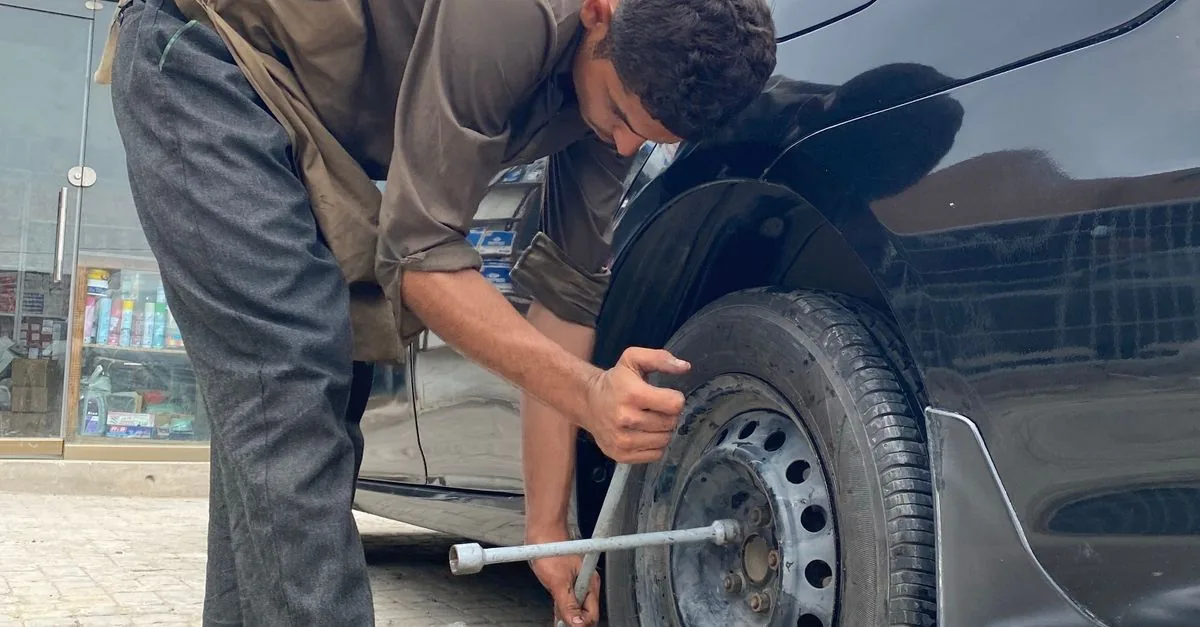
Vehicle Maintenance in Fort Lauderdale: Expert Scheduled Care for Your Car
- By John Xipolitidis
- Auto Repair Services, Brake Services, Engine Diagnostics, Routine Maintenance
- Feb 5, 2026
Scheduled vehicle maintenance is the simplest way to avoid breakdowns, extend your car's life, and keep it safe on Fort Lauderdale roads. It is a planned system of inspections and part replacements set by your car's manufacturer, and following it is the single smartest habit a car owner can build.
This guide explains what scheduled maintenance includes, what it actually costs you to skip, and how Fort Lauderdale's heat, humidity, and salt air change the math.
Quick answer: Follow your owner's manual service schedule, not just the dashboard reminder. In Fort Lauderdale, heat and humidity are harder on fluids, rubber, and electrical parts, so inspections matter as much as replacements. Documented, on-schedule maintenance also protects your warranty rights and your resale value.
What Scheduled Maintenance Actually Includes
A scheduled maintenance program is the manufacturer's plan for keeping your car reliable: inspections and replacements at set mileage or time intervals. A typical service visit covers more than an oil change. Here is what a thorough scheduled visit usually includes:
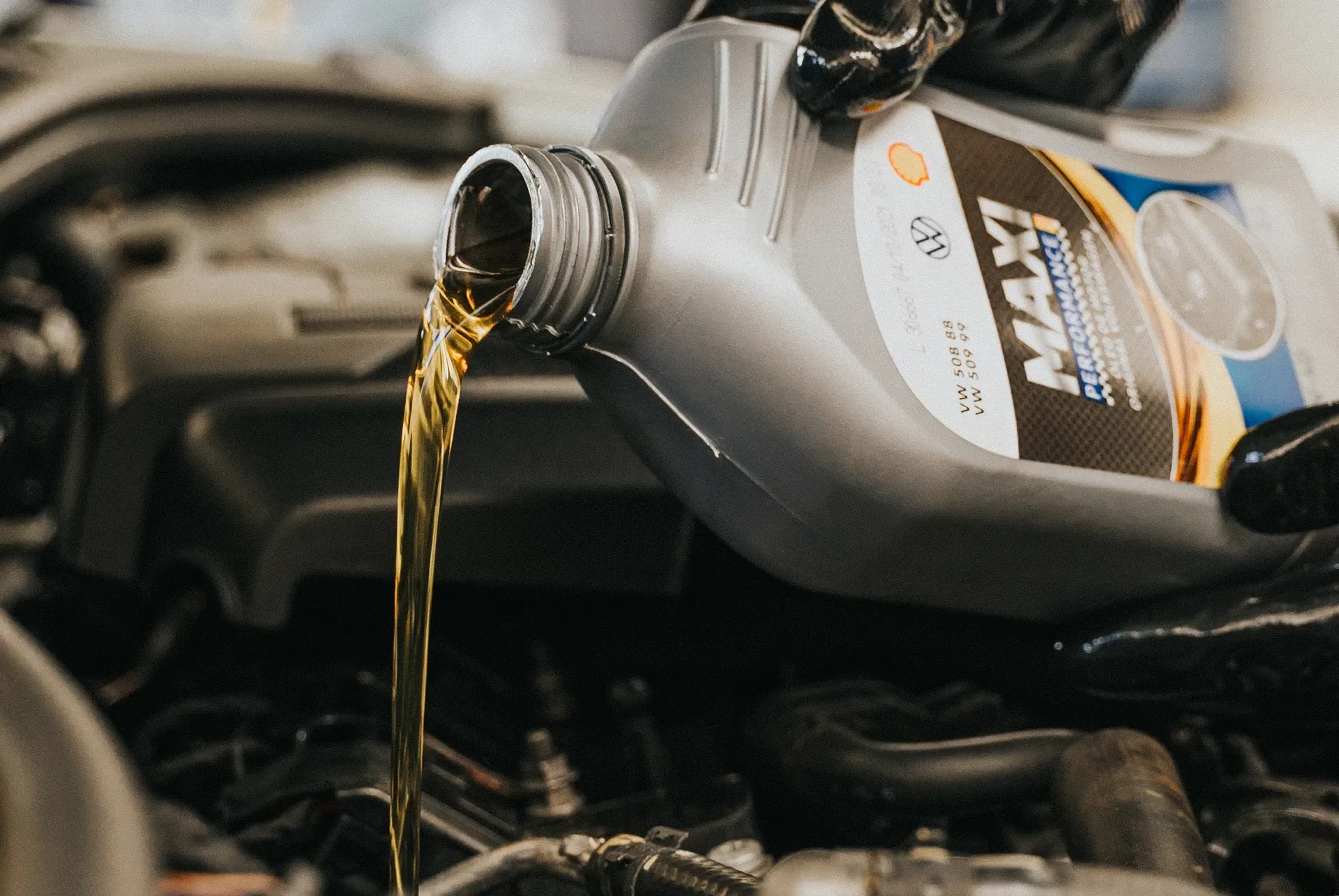
Engine oil and filter replacement. Fresh oil removes contaminants and protects internal components. Many manufacturers now list intervals up to 10,000 miles or 12 months with full synthetic oil, but short trips, heat, and stop-and-go driving count as severe conditions that shorten the practical interval. Always confirm against your owner's manual.
Tire rotation and pressure checks. Rotation promotes even wear and proper inflation protects handling and fuel economy. Under-inflated tires can lower gas mileage by about 0.2% for every 1 psi drop across all four tires, according to fueleconomy.gov.
Fluid inspections. Coolant, brake, transmission, and power steering fluids get checked and topped off. In South Florida heat, fluids break down faster, so these checks matter more here than the schedule assumes.
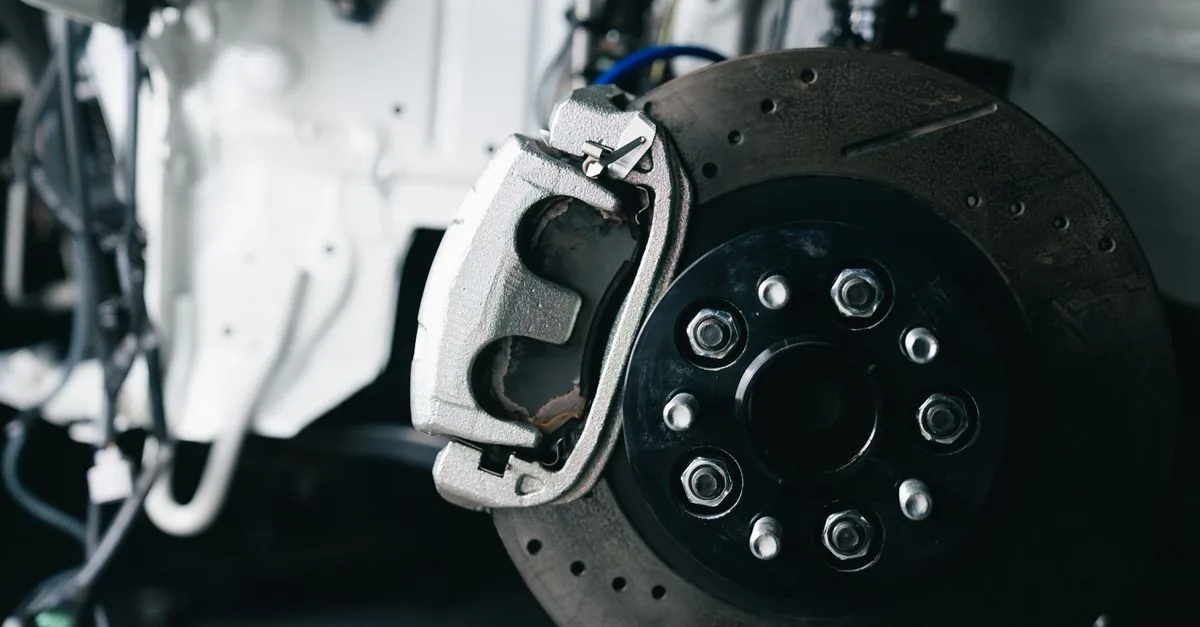
Brake system assessment. Pads, rotors, and fluid are inspected for wear and moisture contamination. See our brake repair guide for what worn brakes cost to fix when caught early versus late.
Belts, hoses, and a multi-point safety inspection. Lights, wipers, suspension, steering, and a diagnostic scan round out the visit. Catching a cracked belt or a leaking hose during a routine visit is the whole point of the schedule.
Fort Lauderdale Changes the Schedule
High heat accelerates fluid breakdown and ages rubber and plastic components faster. Humidity is tough on electrical connections and brake fluid, and salt air near the coast promotes corrosion. Before summer, have the cooling system hoses and the air conditioning checked, and rinse the undercarriage after beach driving. For a model-by-model look at intervals, see our complete auto maintenance schedule for Fort Lauderdale drivers.
Typical Mileage-Based Service Points
Exact intervals vary by manufacturer, but many European makes follow a pattern like this. Treat it as a general guide and confirm your car's schedule in the owner's manual:
Oil and filter change, air and cabin filter replacement, brake system inspection, tire rotation. Prevents premature wear and fluid degradation.
Everything in the 30k service, plus spark plug inspection or replacement and drive belt inspection on many models. Keeps ignition and accessory drive systems healthy.
Builds on the 60k service with coolant replacement and hose inspection on many models. Prevents overheating and seal failures as the car ages.
These are typical patterns, not universal rules. Timing belts, transmission service, and brake fluid have their own schedules that vary widely by make and model.
What Scheduled Maintenance Saves You
Maintenance costs money. Skipping it costs more. Addressing small issues during a scheduled visit prevents the major failures that follow neglect: a weeping water pump caught at 60,000 miles is a routine job, while the same pump failing on the highway can mean an overheated engine. Transmission and engine repairs run into the thousands, which is why the schedule exists.
There are measurable benefits beyond avoiding breakdowns. A properly tuned engine with clean filters and correctly inflated tires runs more efficiently: fixing a car that is noticeably out of tune can improve fuel economy by about 4%, and the right oil grade adds another 1 to 2%, per fueleconomy.gov. And documented service history protects resale value. Industry reports indicate that a complete, verifiable service history can add 5% or more to what buyers will pay, because it proves the car was cared for.
Warranty and Service Records
Manufacturer warranties generally expect maintenance to be performed on schedule, and complete records protect your coverage. You are not required to use the dealer: federal law (Magnuson-Moss) lets you use an independent shop without voiding your warranty, as long as the work is done correctly and documented. Keep every invoice.
What to Expect at Your Maintenance Visit
A good scheduled maintenance visit follows a clear routine. The service advisor reviews your car's history and your concerns, the technician performs the scheduled services plus a multi-point inspection, and you get a clear explanation of findings with a written estimate for anything beyond the scheduled work. Nothing gets done without your approval.
If you notice any of the signs your vehicle needs immediate repair between visits, such as warning lights, new noises, or fluid spots in the driveway, do not wait for the next scheduled service. And if your tires need attention, our tire maintenance guide covers rotation patterns and pressure basics. Have questions before you book? Our auto repair FAQ answers the common ones.
Do Not Ignore Warning Lights Between Services
A scheduled service is not a substitute for responding to problems. If a warning light comes on, the engine overheats, or brakes feel different, schedule a diagnosis right away. Waiting for the next interval turns small repairs into big ones.
Scheduled Maintenance FAQ
How often should I service my car in Fort Lauderdale?
Follow your owner's manual, which usually lists service every 10,000 miles or 12 months for many modern cars, with shorter intervals for severe conditions. Fort Lauderdale's heat, humidity, and stop-and-go traffic count as severe for many components, so inspections between major services are worthwhile.
Does skipping maintenance void my warranty?
Manufacturers can require maintenance to be performed on schedule, and missing it can jeopardize coverage for related failures. However, you are not required to use the dealer: federal law protects your right to use an independent shop as long as the work is correct and documented. Keep every invoice.
Does maintenance really improve gas mileage?
Yes, measurably. Fixing a car that is out of tune can improve fuel economy by about 4%, using the correct oil grade adds 1 to 2%, and properly inflated tires help as well, according to fueleconomy.gov. It will not double your mileage, but it adds up.
Does a full service history help resale value?
Yes. Industry reports indicate documented service history can add 5% or more to resale value because it proves consistent care. Buyers pay for certainty, and records provide it.
What is included in a multi-point inspection?
A thorough inspection covers brakes, tires, fluids, belts, hoses, lights, wipers, suspension, steering, and battery, plus a diagnostic scan for stored codes. It is designed to catch wear before it becomes a breakdown.
Due for Scheduled Service?
Bring your car in and we will map the manufacturer's schedule to your model, mileage, and real Fort Lauderdale driving conditions, with a written estimate before any work begins.
101 SW 17th St, Fort Lauderdale, FL 33315
Monday-Friday: 8:00 AM-6:00 PM
Service intervals vary by manufacturer, model, and model year. Always confirm your schedule in the owner's manual. Fuel economy figures are based on U.S. Department of Energy guidance at fueleconomy.gov and vary with driving conditions. Resale and warranty notes are general guidance, not legal advice.