Thanksgiving Road Trip Inspection: What Fort Lauderdale Drivers Should Check Before the Drive
- By John Xipolitidis
- Brake Services, Routine Maintenance
- Nov 9, 2026
Thanksgiving week is one of the busiest road trip weeks of the year, and from Fort Lauderdale almost every route means hours of highway: I-95 north, the Turnpike, or I-75 across the state. A car that handles the school run fine can still be the wrong car for six loaded hours at highway speed with the whole family aboard.
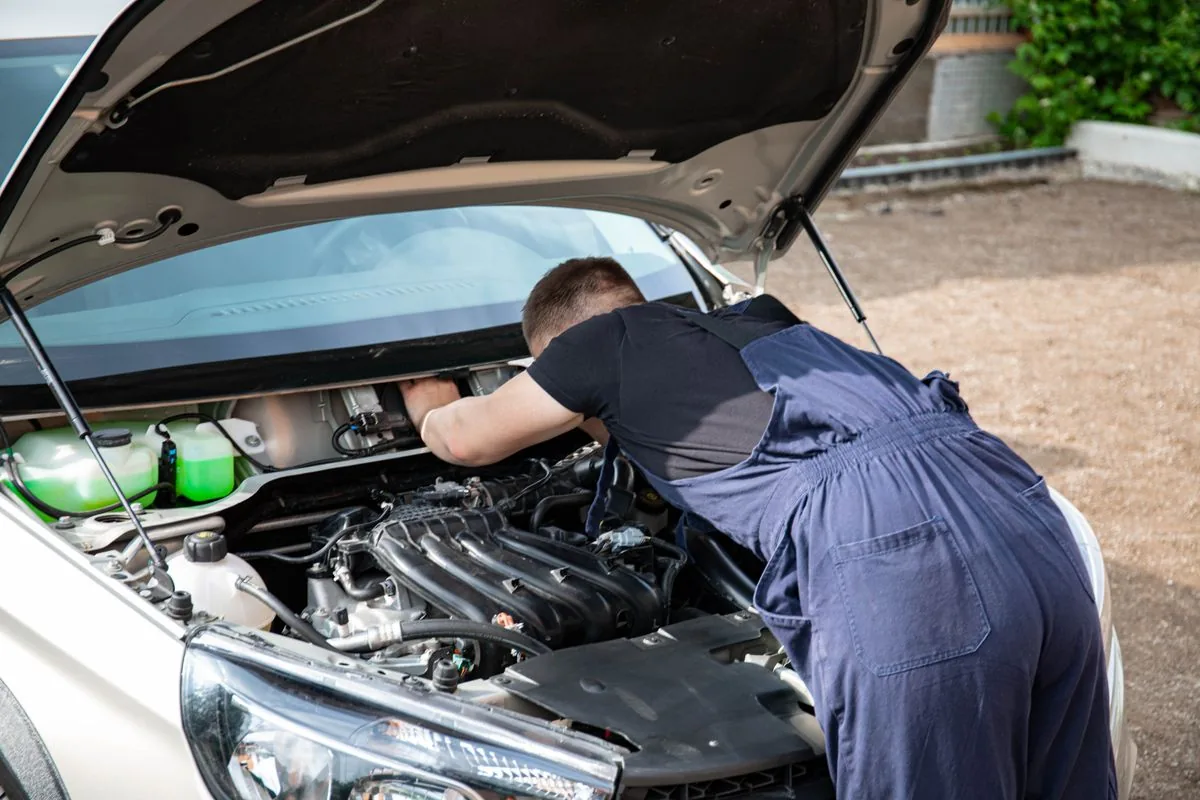
This checklist is what we go through before a holiday trip, in the order that matters. Book it the week before you leave, not the day before, so anything we find can actually be fixed before the trip.
Quick answer: Before a Thanksgiving drive, check brakes, tires (including the spare), fluids, battery, lights, and wipers, and test the heater and defroster if you are heading north. Book the inspection about a week before you leave so there is time to fix what it finds.
Brakes First, Because Everything Else Depends on Them
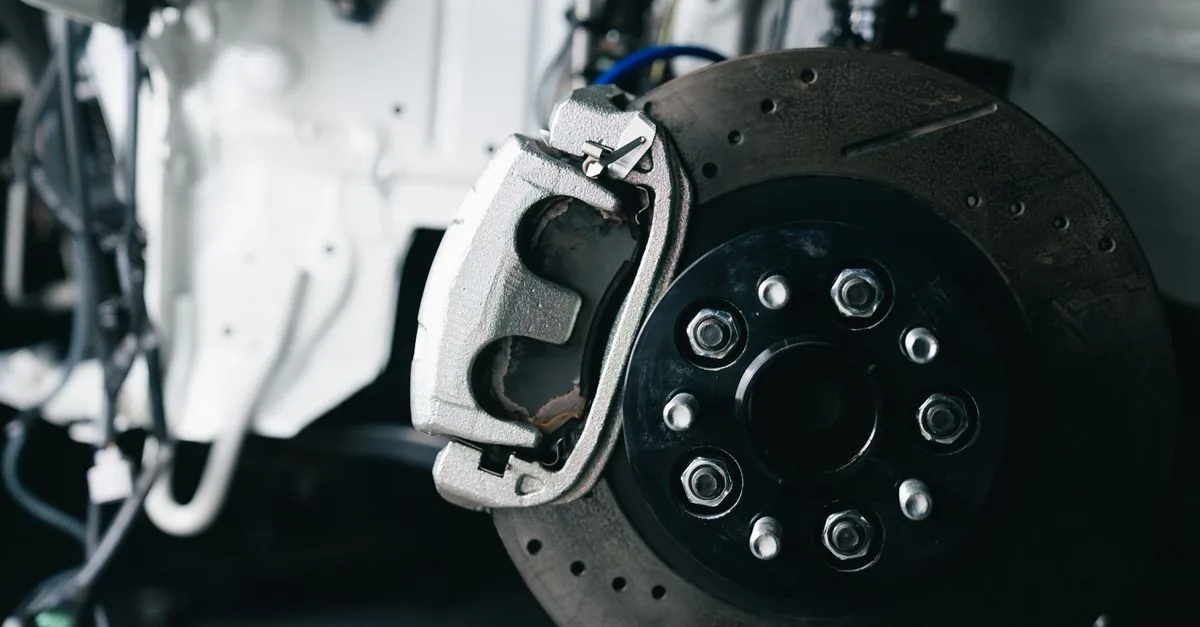
Highway driving with a loaded car works the brakes harder than city driving does, especially in stop-and-go holiday traffic. If you have noticed squeaking, a vibration when braking, or a pedal that travels further than it used to, do not wait until after the trip. Our brake repair inspection covers pads, rotors, fluid, and lines. Brake fluid matters too: it absorbs moisture over time, and old fluid is one reason a pedal can feel fine in town and soft on a long downhill.
Tires: Pressure, Tread, Age, and the Spare Everyone Forgets
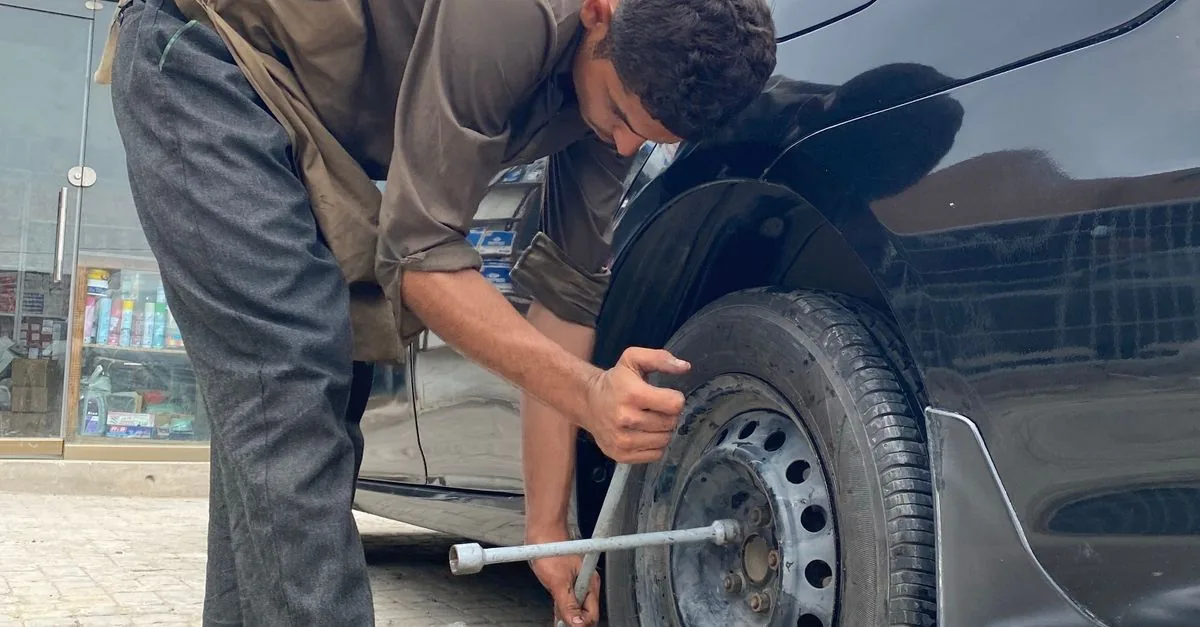
Check pressure when the tires are cold, and set it to the number on the driver door jamb, not the number on the tire. Look at tread depth honestly, and look for uneven wear, which is an early warning of a suspension or inflation problem. Then open the trunk and check the spare. A spare that has sat untouched for three years is often too low to use.
The NHTSA road safety pages are a good reminder of why tire condition matters on long trips. If you need tires before the trip, our tire service has great pricing on tires, and we will give you an honest look at the condition of your current set first.
Fluids, Battery, Lights, and Wipers
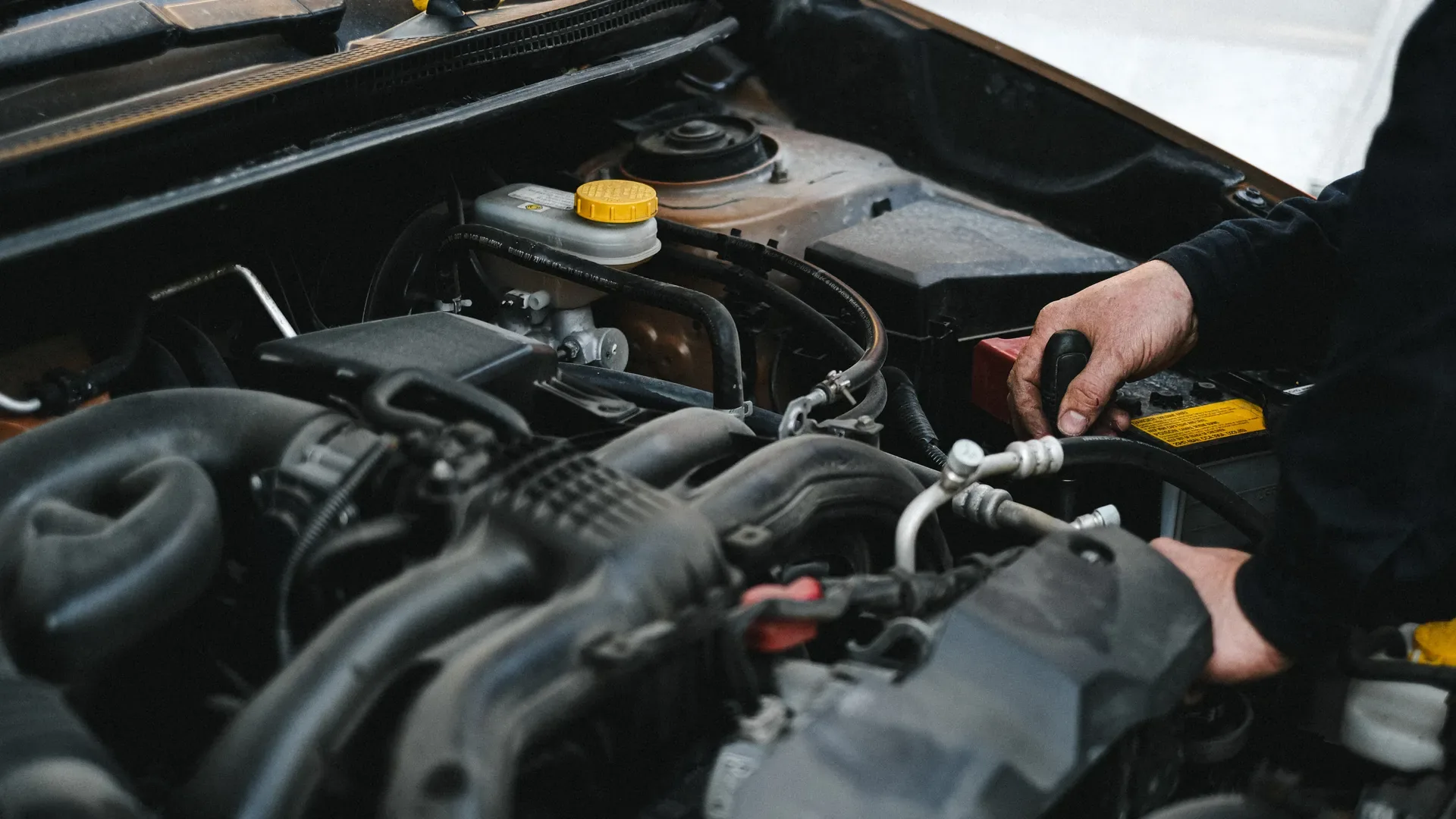
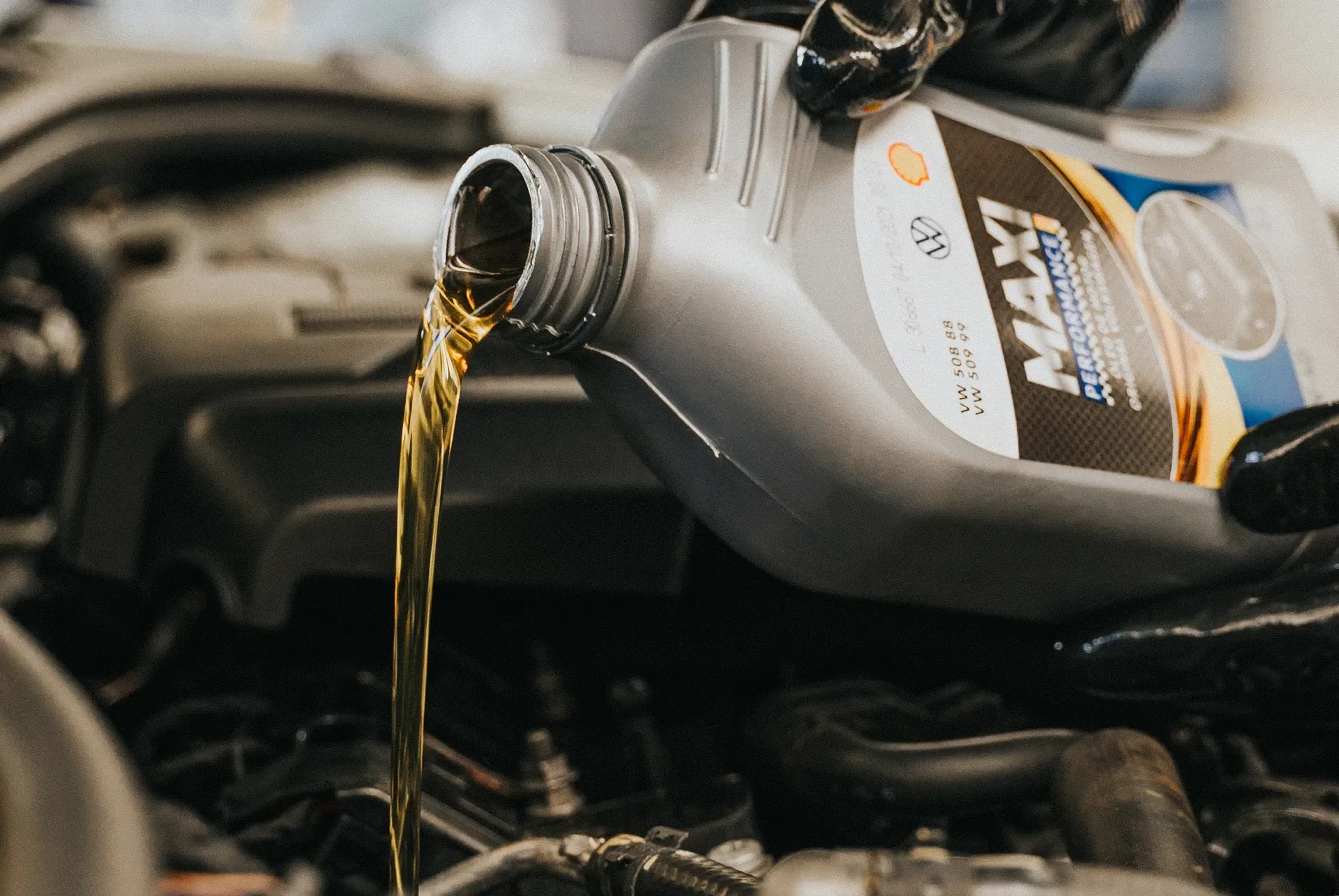
Top up and check every fluid: engine oil, coolant, brake fluid, transmission fluid where it can be checked, and washer fluid. Test the battery if it is more than three years old; South Florida heat shortens battery life, and a battery that fails in a rest area at night is a miserable start to a holiday. Our battery and electrical service includes a proper load test.
Walk around the car at dusk and check every light, then replace wiper blades that streak. November driving north also means earlier darkness and the real chance of rain for hours at a time.
One Thing South Florida Drivers Forget: The Defroster and the Cold at the Other End
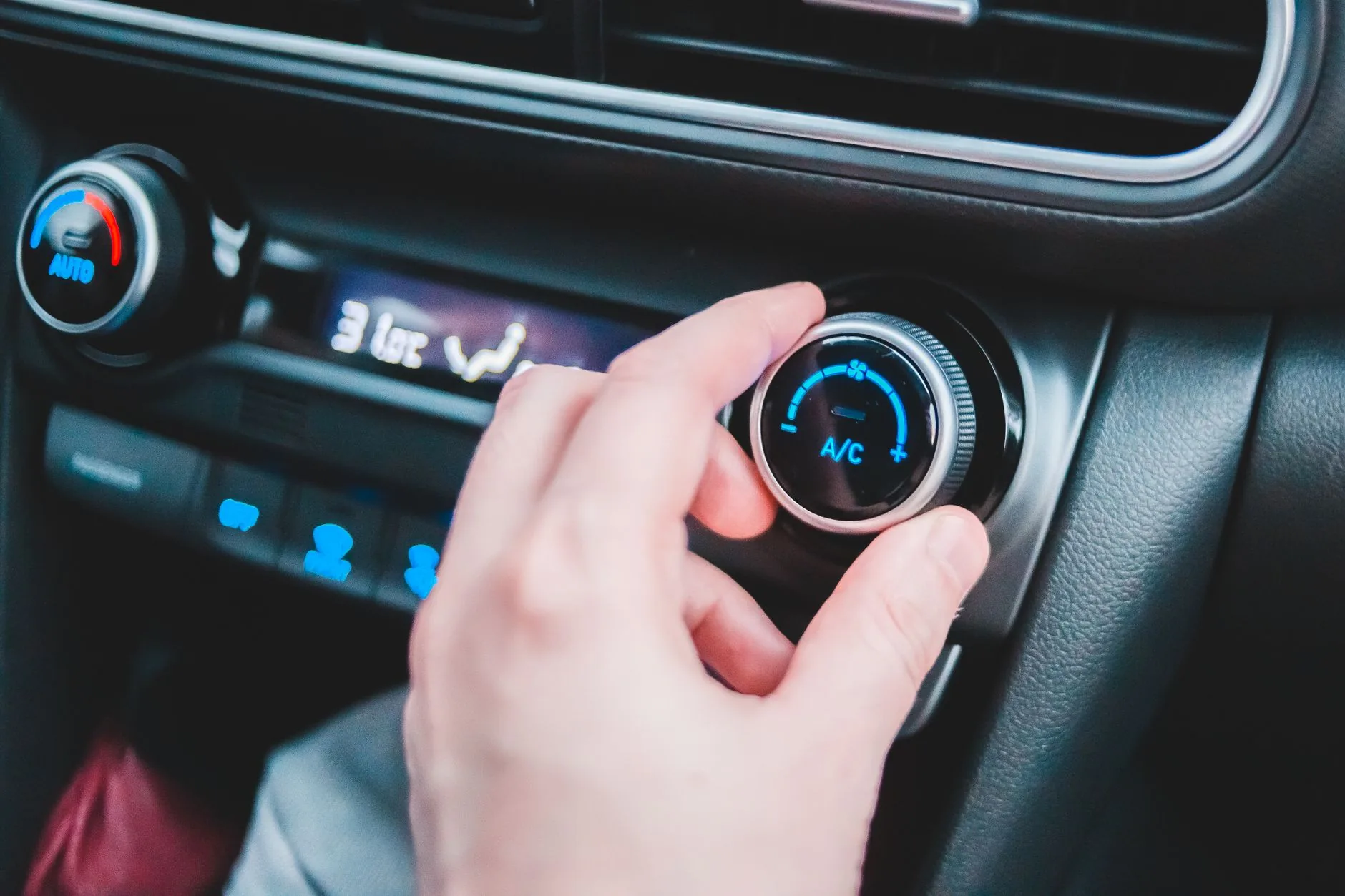
If your trip ends in Georgia, the Carolinas, or anywhere the temperature drops, you will use the heater and rear defroster you have not touched since last winter. Test both before you leave. Fogged glass you cannot clear is a safety problem, not a comfort problem.
It is also worth preparing for a car that will sit in the cold for a few days: cold weather is when a weak battery finally gives up, one more reason to test it here, in the warmth, before the trip.
Use the Summer Guide for the Full Pre-Trip List
This post covers the Thanksgiving version of the check. For the complete item-by-item list we work from on any long drive, see our road trip car inspection guide, which covers all nine checks, what to pack in a roadside emergency kit, and how to check for open recalls.
Frequently Asked Questions
How far before Thanksgiving should I get the car inspected?
About a week before you leave. That leaves time to order parts and complete a repair if the inspection finds something, instead of discovering a problem the day before the trip.
What is the single most important pre-trip check?
Tires and brakes. Tire problems are among the most common reasons for roadside trouble on long trips, and brakes are the system you cannot compromise with a full car.
My car feels fine. Do I still need an inspection?
A short city routine hides a lot. Highway speed, a heavy load, and hours of continuous running stress the cooling system, tires, and brakes in ways a ten-minute drive never does.
Should I check tire pressure hot or cold?
Cold, before driving, and set it to the pressure on the driver door jamb label. Pressure rises as tires warm up, so a hot reading is not the number to work from.
What if a warning light comes on during the trip?
A red warning light, a temperature gauge in the red, or a loss of oil pressure means stop as soon as it is safe and call for help. A steady amber check engine light, with the car running normally, means get it checked at the next opportunity. Do not ignore either one for a whole trip.
Book the Pre-Trip Check
Call the week before your trip and we will run through brakes, tires, fluids, battery, lights, and wipers so the drive is the easy part of Thanksgiving.
101 SW 17th St, Fort Lauderdale, FL 33315
Monday-Friday: 8:00 AM-6:00 PM
Road safety resources from the National Highway Traffic Safety Administration. Tire pressure specifications are on your vehicle's driver door jamb label.