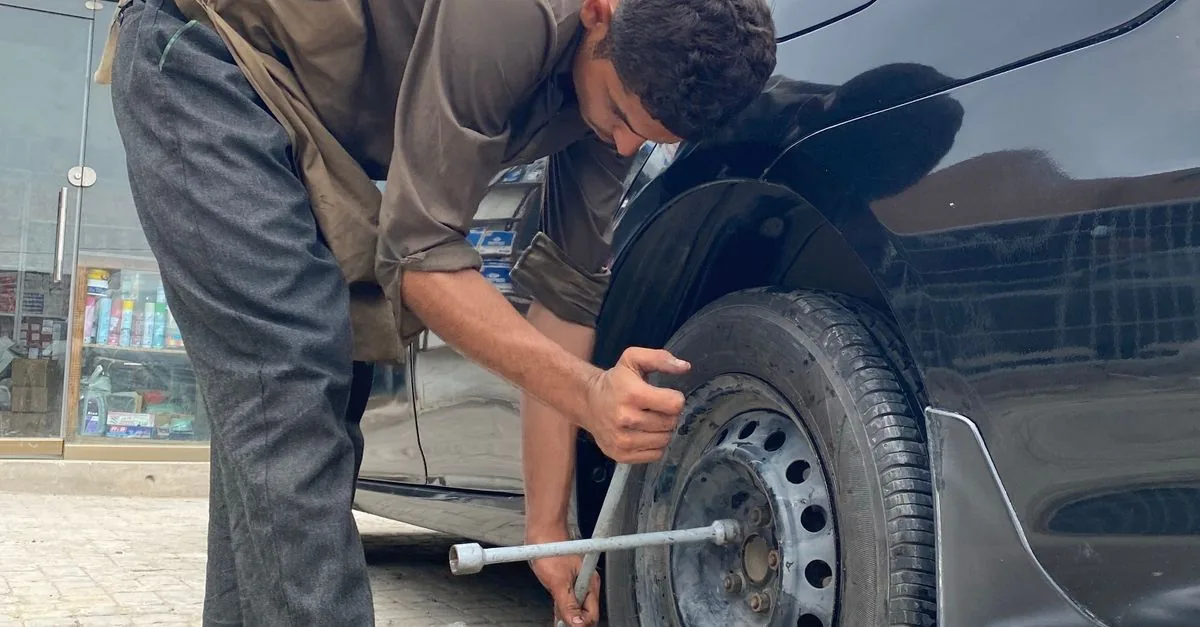
Fort Lauderdale’s Best Tire Shops — Your Local Guide to Tires, Repairs & Alignments
- By John Xipolitidis
- Auto Repair Services, Automobile
- Dec 31, 2025
Finding a dependable tire shop in Fort Lauderdale can mean the difference between a smooth drive and an unexpected roadside headache. The right shop does more than sell tires. It helps you choose the right ones for South Florida roads, repairs what can be repaired, and keeps your tires safe for their full life. We stock affordable tires in Fort Lauderdale.
This guide covers what to look for in a tire shop, how to pick the right tires for our climate, when a tire can be repaired, and the simple maintenance that keeps tires lasting longer. See our latest tire deals.
Quick answer: Look for a shop with certified technicians, experience with Florida heat and rain, a solid range of brands, and transparent pricing. Pair that with regular rotations, monthly pressure checks, and timely alignment, and your tires will last longer and stop shorter in a downpour.
What Makes a Tire Shop Worth Trusting
A top-rated tire shop earns trust the same way any good repair shop does: qualified people, honest communication, and the right equipment. When you are comparing shops in Fort Lauderdale, check for these basics.
- Certified technicians. ASE certification means a technician has passed standardized testing and has real hands-on experience. That matters when the job involves your safety at highway speed.
- South Florida experience. Heat, humidity, and sudden downpours punish tires differently than mild climates do. A shop that works in these conditions every day will steer you toward tires with strong wet traction and heat resistance.
- A real selection of brands. You want options across price points, from premium all-season tires to dependable value brands, so the recommendation fits your budget instead of the shop’s inventory.
- Transparent pricing. The estimate should break out the tire, mounting, balancing, alignment, and any fees before you agree to anything.
- Full in-house service. Sales, repairs, rotations, balancing, and alignment under one roof means one team is accountable for how your tires perform.
Learn more about the team behind the work on our About page.
New Tires: Picking the Right Type for South Florida
The right tire for Fort Lauderdale is not the same as the right tire for a snowy climate. Wet-road braking and heat resistance matter most here. These are the main categories you will be choosing from.
The practical default for year-round Fort Lauderdale driving. Dependable in dry heat and heavy rain, with a good balance of grip, comfort, and tread life.
Sharper steering response and stronger dry grip for sports cars and sporty sedans. They wear faster and cost more, so make sure wet performance is still strong.
Higher load capacity and tougher construction for heavier vehicles. Look for heat-resistant construction that holds up on hot pavement.
Lower rolling resistance for better mileage on daily commutes. A sensible pick if most of your miles are city and highway driving.
When you are comparing brands, weigh your vehicle’s load requirements, where you drive most, wet-traction ratings, and the warranty. For more detail on matching tires to European models, see our tire maintenance guide for European vehicles. Read our guide to comparing tire prices.
Tire Repair or Replacement: How the Call Gets Made
Not every damaged tire needs to be replaced, but not every damaged tire can be repaired either. Industry guidance from the U.S. Tire Manufacturers Association sets clear limits: repairs are limited to the tread area only, the puncture cannot be larger than 1/4 inch in diameter, and the tire must come off the wheel for a full inspection. A proper repair uses a plug to fill the hole plus a patch to seal the inner liner. A plug alone is not considered an acceptable repair.
As a practical rule:
- Repair is usually fine when the puncture is in the center tread, is 1/4 inch or smaller, and the tread depth is healthy.
- Replace the tire when damage reaches the sidewall or shoulder, the tread is at or below 2/32 of an inch, there are multiple punctures close together, or there is any bulge or structural damage.
A Bulge or Deep Sidewall Cut Means the Tire Is Done
If you see a bulge, bubble, or cut in the sidewall, do not keep driving on that tire. Sidewall damage cannot be repaired safely because the sidewall flexes constantly. Put on the spare and have the tire replaced promptly.
For same-day help with a flat or puncture, see our same-day tire repair service, and for the cost side of the decision, read tire repair vs. replacement: what is best for your budget.
Why Wheel Alignment Matters
Alignment sets your suspension angles so each tire meets the road the way the manufacturer intended. When camber, caster, or toe drift out of spec, tires wear unevenly, the car can pull to one side, and braking gets less predictable, especially on wet streets.
Have the alignment checked about once a year or every 12,000 miles, after new tires go on, after suspension work, or any time you hit a curb or a hard pothole. Catching misalignment early is far cheaper than replacing a set of tires worn out on one edge.
Alignment Pays for Itself in Florida
Hot pavement is already hard on rubber. Adding uneven wear from bad alignment shortens tire life for no reason. A timely alignment keeps wear even, handling sharp, and rolling resistance low, which can also help fuel economy.
Tire Maintenance Tips That Actually Extend Tire Life
Most tire failures are not bad luck. They are neglected maintenance. These habits make the biggest difference in our climate.
- Rotate every 5,000 to 7,500 miles. Rotation evens out wear between front and rear tires and keeps handling balanced.
- Check pressure at least monthly. Use the sticker on the driver’s door jamb, not the number on the tire sidewall. Tire pressure changes roughly 1 PSI for every 10 degrees of temperature change, so check more often when seasons shift.
- Watch tread depth. The legal minimum is 2/32 of an inch, but wet grip drops off well before that. Replace tires that are getting shallow before the next rainy season.
- Look for uneven wear. Wear on one edge, cupping, or flat spots usually point to alignment, balance, or suspension issues worth diagnosing.
- Inspect sidewalls. Cracks, cuts, or bulges from sun exposure and curb hits are warning signs. UV damage, sometimes called dry rot, is a real concern for cars parked in direct sun.
More practical upkeep advice is in our tire maintenance guide and our roundup of budget-friendly tire options in Fort Lauderdale.
Tire Shop & Tire Care FAQ
What should I look for in a Fort Lauderdale tire shop?
Certified technicians, experience with South Florida heat and rain, a good range of brands at different price points, transparent itemized pricing, and full in-house services including repairs, rotations, balancing, and alignment.
Can any punctured tire be repaired?
No. Industry guidance limits repairs to the tread area only, with punctures no larger than 1/4 inch, and the tire must be removed from the wheel for inspection. Sidewall or shoulder damage means replacement. A proper repair uses a plug plus a patch, not a plug alone.
How often should I rotate my tires?
Every 5,000 to 7,500 miles is the common recommendation. Regular rotation evens out wear between the front and rear axles and helps tires handle Florida pavement heat more evenly.
How often does my car need a wheel alignment?
About once a year or every 12,000 miles, plus any time you get new tires, have suspension work done, or hit a curb or hard pothole. Uneven wear or pulling to one side are signs it is overdue.
When is a tire legally worn out?
At 2/32 of an inch of tread depth. In practice, wet-road grip fades before that point, so do not wait until the legal minimum during rainy season.
Need Tires, a Repair, or an Alignment?
Bring your car to Southport Auto Repair and get straight answers about what your tires need. Sales, repairs, rotations, balancing, and alignments, all from one local team.
101 SW 17th St, Fort Lauderdale, FL 33315
Monday-Friday: 8:00 AM-6:00 PM
Tire repair limits follow the U.S. Tire Manufacturers Association puncture repair procedures (tread area only, puncture 1/4 inch or less, plug plus patch, tire removed from wheel for inspection). Tire pressure guidance reflects widely published industry rules of thumb (about 1 PSI per 10 degrees Fahrenheit). For personalized recommendations, call (954) 527-0942 or visit our contact page.