Wheel Bearing Replacement Fort Lauderdale: 7 Warning Signs and 2026 Cost Guide
- By John Xipolitidis
- Automobile
- Jul 3, 2026
A humming or droning noise that grows with speed and seems to come from one corner of the car is the classic first sign of a failing wheel bearing. Wheel bearings carry the weight of your vehicle while letting the wheels spin freely, and they are under load every mile you drive.
Catch a bad bearing early and the repair is straightforward. Ignore it and the noise turns to grinding, vibration, and eventually a genuine safety problem. This guide covers the seven warning signs, what the repair costs in Fort Lauderdale, and how a shop confirms which bearing is actually bad.
Quick answer: A wheel bearing that hums, drones, or grinds, especially one that changes pitch when you turn, should be inspected promptly. Most sealed hub assemblies last 100,000 miles or more, but salt air, potholes, and curb strikes shorten bearing life. Replacement is usually a same-day repair, priced per side depending on the vehicle.
What Wheel Bearings Do and Why They Fail
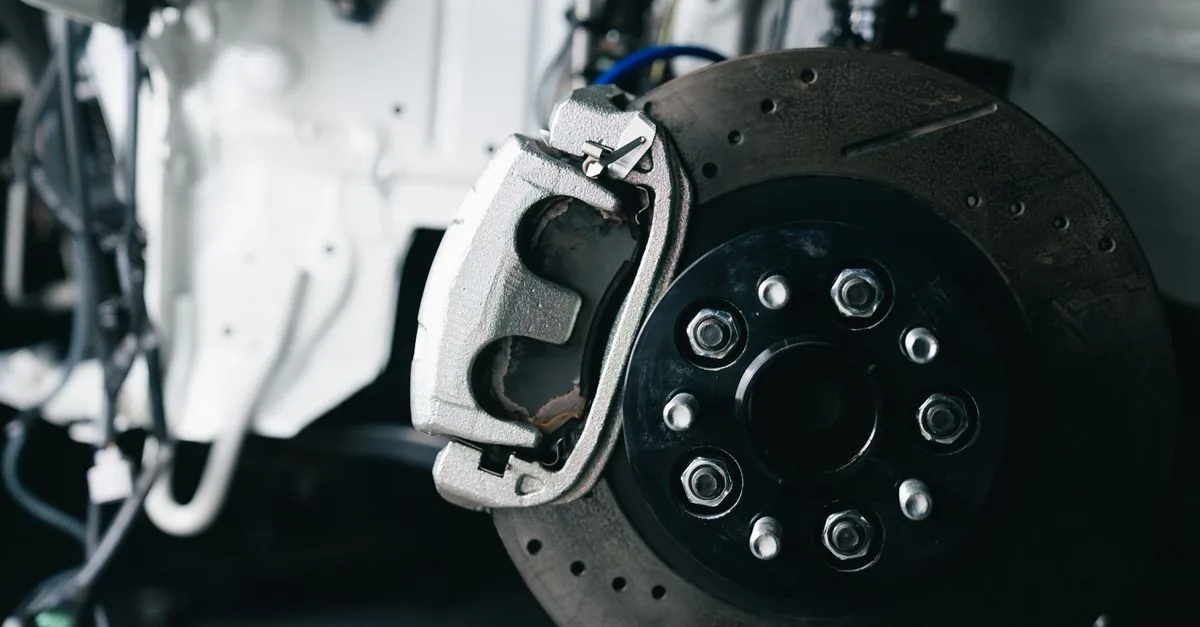
A wheel bearing is a precision component, an inner race, an outer race, and a set of balls or rollers held in alignment, that lets your wheel spin freely on the spindle while supporting the full weight of that corner of the car. Most modern vehicles use sealed hub assemblies, where the bearing, hub, and often the ABS wheel-speed sensor are integrated into one unit.
Bearings fail for two main reasons. The first is contamination: if the seal is compromised, water, salt air, or road grit gets into the assembly and destroys the internal lubrication. The second is plain mileage. Many bearings last 100,000 miles or more, with 75,000 to 150,000 miles a common range, but severe pothole impacts, curb strikes, and coastal salt air can shorten that considerably. There is no scheduled replacement interval; bearings are replaced when they show symptoms.
If the noise points to the brakes or the tires instead, see our brake repair warning signs guide or our tire maintenance guide for help telling the symptoms apart.
7 Warning Signs of a Failing Wheel Bearing
These are the symptoms that justify an inspection. Any one of them is worth a look; several together make a failing bearing very likely.
The most common early symptom. A failing bearing produces a steady hum that grows louder with speed, often noticeable around 35 to 40 mph and obvious by 65. Unlike tire noise, the pitch stays consistent across different road surfaces and seems to come from one corner.
A classic confirmation. The hum gets louder turning one way and quieter the other, because turning shifts vehicle weight and loads or unloads the bearing. If turning left makes it louder, the right-side bearing is the likely suspect, since weight transfers to the right.
Past the humming stage, a degraded bearing moves into harsh grinding or roaring. That indicates metal-on-metal contact inside the assembly. This is the urgent stage; continued driving risks the bearing seizing or the hub separating.
A severely worn bearing transmits vibration through the steering column or floorboards. Unlike tire imbalance, which usually peaks at a specific speed, bearing vibration grows progressively worse the faster you go and is almost always paired with noise.
With the car on a lift, a failing bearing allows slight wheel wobble. Rocking the tire at the 12 and 6 o’clock positions should show no play on a healthy hub. Any looseness found this way means the assembly needs replacement.
A degraded bearing lets the hub lean slightly out of alignment, which creates unusual wear on that one tire. If localized wear is paired with a low hum, the bearing is the root cause, not a simple alignment issue.
Many vehicles integrate the ABS wheel-speed sensor into the sealed hub. As a failing bearing wobbles, it can disturb the sensor’s magnetic ring and trigger the ABS light. A hum plus an ABS light is a strong indicator the hub assembly is the problem.
Grinding, Vibration, or Wheel Play Means Stop Driving on It
A bearing in the humming stage gives you time to schedule the repair. Once it reaches grinding, constant vibration, or measurable wheel play, the bearing is close to failing completely, and a failed bearing can let the wheel separate from the vehicle. Do not keep driving on it. Call the shop and arrange to have it inspected promptly.
Wheel Bearing Replacement Cost in Fort Lauderdale
There is no single price for this repair because the design varies so much by vehicle. Sealed hub assemblies, press-fit bearings, and European luxury hubs are different jobs with different parts costs. Typical local ranges per side:
| Vehicle Setup | Typical Range (Per Side) | What Drives the Price |
|---|---|---|
| Sealed hub assembly, mainstream vehicles | $380 to $680 | Integrated hub, bearing, and ABS sensor as one unit |
| European luxury hub units | $580 to $1,100 | Higher OEM part costs and model-specific tooling |
| Press-fit bearings, older designs | $280 to $580 | Requires hydraulic press work to remove and install |
| AWD rear bearing assemblies | $480 to $900 | Access through rear drive axles varies by suspension design |
These are planning ranges, not quotes. The actual number depends on your year, make, and model, which hub design it uses, and the parts available for it. The meaningful price is the written estimate for your vehicle after inspection.
Should You Replace One Side or Both?
Usually just the failed one. Wheel bearings wear independently based on individual curb strikes, pothole hits, and water exposure, so the opposite side can easily have tens of thousands of miles of life left. Both sides only make sense when both show symptoms, both are very high mileage and never been replaced, or combining the work saves meaningful labor. A good shop will quote both options when it is relevant.
The Turn Test Is a Clue, Not a Diagnosis
Noise that changes when you turn is one of the best home tests for a bearing problem, but it does not replace an inspection. Tires, brakes, and suspension components can all produce similar noises. On a lift, a technician can confirm the bad corner with a stethoscope and a play check before any parts are ordered.
Why Modern Bearings Are Replaced, Not Repacked
Older serviceable bearings could be removed, cleaned, repacked with grease, and reinstalled. Modern sealed hub assemblies cannot be serviced that way; the bearing, hub, and often the ABS sensor are one integrated unit, and it is designed to be replaced as a whole when it fails. That actually keeps labor down: replacing a hub assembly is a far quicker job than the careful repacking work the old design required.
What That Means for You
Southport Auto Repair is a family-owned Fort Lauderdale shop serving the area since 2009. For a suspected bearing, we identify which corner is actually bad, give you a written quote before any work is authorized, and complete most replacements the same day. Ask about the warranty that applies to your specific service when you book. Learn more about the shop or see common questions on our auto repair FAQ page.
Wheel Bearing Replacement FAQ
How much does wheel bearing replacement cost in Fort Lauderdale?
Typical local ranges per side: $380 to $680 for a sealed hub assembly on mainstream vehicles, $580 to $1,100 for European luxury hubs, $280 to $580 for press-fit bearings on older designs, and $480 to $900 for AWD rear assemblies. The exact price depends on your vehicle and the hub design it uses.
Can I drive with a bad wheel bearing?
In the early humming stage, briefly, while you schedule the repair. Once the bearing reaches grinding, constant vibration, or measurable wheel play, no. Continued driving risks the bearing seizing or the wheel separating, so get it inspected promptly.
How do I know which wheel has the bad bearing?
Listen for the corner the noise comes from, and try the turn test: noise that gets louder turning one direction usually points to the bearing on the opposite side, because turning loads the outside-of-turn bearing. A proper inspection on a lift confirms the bad corner before any parts are ordered.
How long do wheel bearings last?
Many last 100,000 miles or more, with 75,000 to 150,000 miles a common range. Salt air, pothole damage, and curb strikes can shorten bearing life. There is no scheduled replacement interval; they are replaced when symptoms appear.
Should I replace both wheel bearings at once?
Usually no. Bearings wear independently, so the good side may have tens of thousands of miles left. Replacing both makes sense when both show symptoms, both are very high mileage, or combining the work saves meaningful labor.
Hearing a Hum, Roar, or Grinding From Your Wheels?
Bring it in and we will identify which bearing is actually bad, quote the repair in writing, and get most replacements done the same day. A noise caught early is a simple repair; a grinding bearing is a safety problem.
101 SW 17th St, Fort Lauderdale, FL 33315
Monday-Friday: 8:00 AM-6:00 PM
Wheel bearing lifespan and cost figures reflect typical industry ranges from repair-cost references such as RepairPal and Car Talk, plus local shop experience. Your vehicle’s actual cost depends on its hub design, parts availability, and labor. No online estimate replaces a written quote after inspection.