Fort Lauderdale Check Engine Light Help | Expert Diagnostics & Dependable Repairs
- By John Xipolitidis
- Auto Repair Services, Engine Diagnostics, Routine Maintenance
- Jan 20, 2026
Is the check engine light glowing on your Fort Lauderdale dashboard and you are not sure what to do next? That light is your car’s way of asking for attention, and knowing what it means protects both your vehicle and your wallet.
This guide explains what the different signals mean, the most common causes we see locally, and how a real diagnostic process finds the actual problem instead of guessing at it.
Quick answer: A steady check engine light usually means a stored fault and it is often safe to drive to a shop for diagnosis. A flashing light is urgent: it usually signals an active misfire that can overheat the catalytic converter, so stop driving and have the vehicle evaluated.
What the Check Engine Light Is Actually Telling You
The check engine light is the onboard alert that the engine control unit (ECU) has detected something affecting emissions, fuel economy, or drivetrain performance. When it comes on, the vehicle stores a Diagnostic Trouble Code (DTC) that points toward the problem area.
DTCs follow the SAE J2012 standard, so a code like P0300 means a random or multiple-cylinder misfire and P0301 points to cylinder 1 specifically. The code is the starting point of a diagnosis, not the diagnosis itself. Two cars can store the same code for different reasons, which is why proper engine diagnostics compare the code against live data before any part is replaced.
Solid vs. Flashing: Know the Difference
A steady check engine light usually means a stored fault, such as a minor sensor error or a small emissions leak. It is often safe to drive the vehicle to a shop for diagnosis, but do not ignore it for weeks.
A Flashing Check Engine Light Means Stop Driving
A flashing light usually signals an active misfire that can overheat the catalytic converter and cause serious engine damage. If the light is flashing and the engine is shaking, running poorly, or losing power, reduce driving and have the vehicle evaluated right away rather than treating it like a routine warning. A flashing light plus a sulfur or rotten-egg smell can point to converter trouble; see our guide to catalytic converter repair for what that means.
The Most Common Causes Behind a Check Engine Light
Loose or Damaged Gas Cap
A cap that does not seal lets fuel vapors escape and can trigger an EVAP system code. Tightening or replacing the cap often clears the code after a few driving cycles. If it returns, other EVAP parts such as purge or vent valves may be at fault.
Failing Oxygen Sensor
Oxygen sensors monitor exhaust gases so the ECU can keep the air-fuel mix correct. A failing sensor skews the mix, hurts fuel economy, and can damage other components if ignored.
Worn Spark Plugs or Ignition Coils
Rough idle, hesitation, or misfires often trace to worn plugs or a failing coil. Coils generally fail from age or heat rather than on a fixed schedule.
Catalytic Converter Efficiency
Converter codes usually mean the converter is not treating exhaust properly, but the root cause is often upstream: persistent misfires, oil contamination, or a bad oxygen sensor. Fix the cause first.
Mass Airflow Sensor
A dirty or failing MAF sensor misreads incoming air, causing stalling, hesitation, or poor fuel economy. Cleaning or replacement depends on what testing shows.
EVAP and Emissions Leaks
Small vapor leaks anywhere in the fuel and emissions system can set a code with no drivability symptoms at all. These take proper smoke or pressure testing to find.
How Professional Diagnostics Actually Work
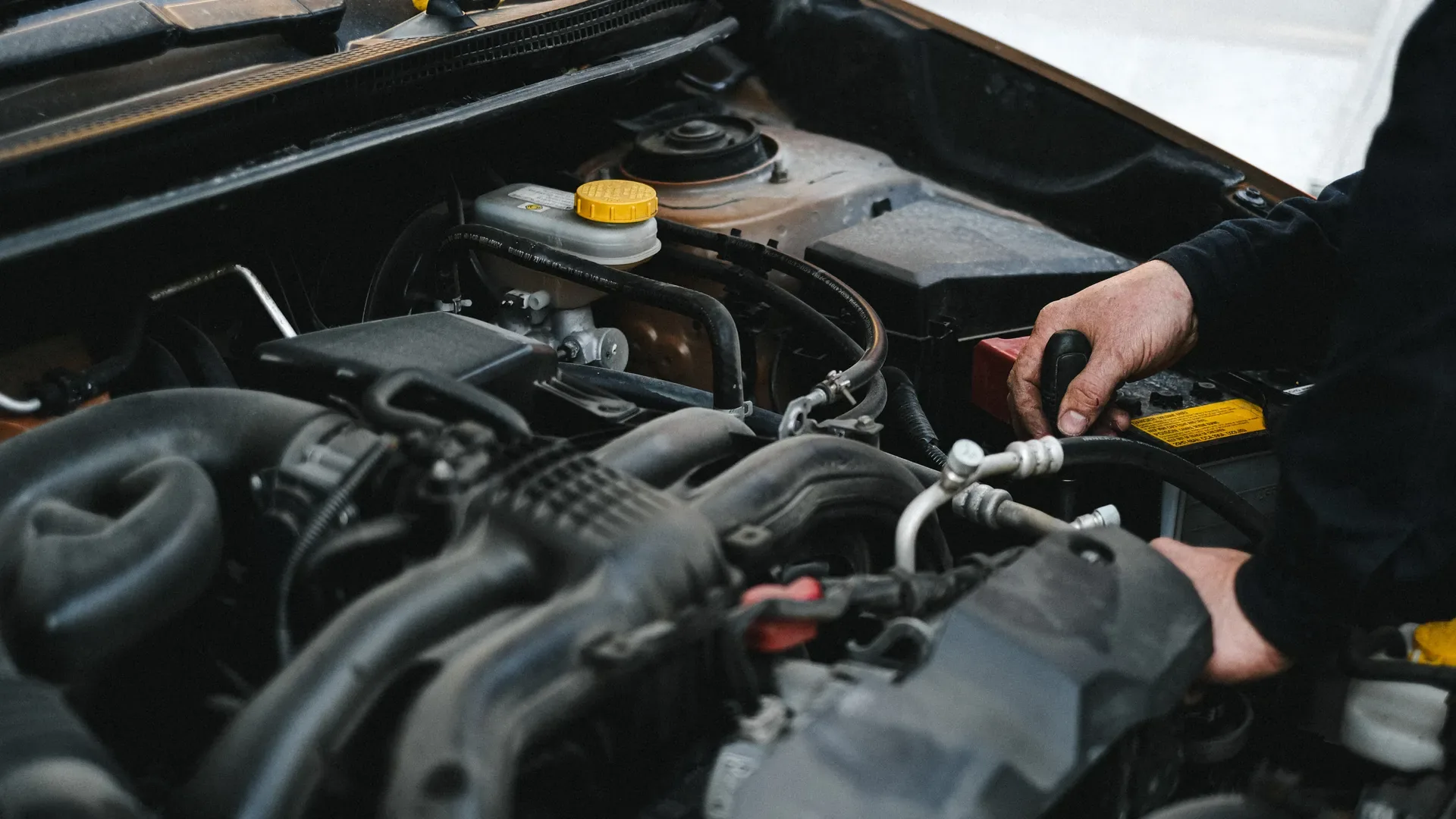
Reading a code takes minutes. Finding the cause takes method. A proper diagnostic process looks like this:
- Code retrieval: a professional-grade scanner reads stored, pending, and history codes from the ECU.
- Live data review: the technician watches fuel trims, sensor voltages, and misfire counters to see what the engine is actually doing.
- Targeted testing: suspect components get tested directly, from smoke tests for EVAP leaks to scope traces on ignition signals.
- Repair recommendation: once the root cause is confirmed, you get clear options, honest estimates, and a realistic timeframe.
The Code Is a Clue, Not a Verdict
Parts-store code reads and do-it-yourself code clearing skip the interpretation step, which is where the money gets wasted. Replacing an oxygen sensor because a code mentioned one, without checking for the vacuum leak actually causing it, fixes nothing. Diagnosis pays for itself by aiming the repair at the real problem.
What Not to Do When the Light Comes On
- Do not just clear the code and hope. Erasing a code without a repair changes nothing, and the light will return.
- Do not buy parts based on the code alone. A P0420 does not automatically mean you need a converter.
- Do not ignore a flashing light. A steady light deserves prompt attention; a flashing light deserves immediate attention.
- Do not assume the worst, either. Many check engine lights trace to simple, inexpensive causes. Get the diagnosis before the worry.
Heat and humidity add their own failure patterns in South Florida. Electrical connectors, sensors, and battery-related faults show up more often here, which our electrical repair guide covers in more detail.
Can I keep driving with the check engine light on?
A steady light usually means you can drive to a shop for diagnosis, but have it checked promptly. A flashing light is different: it usually signals an active misfire that can damage the catalytic converter, so stop driving and get help.
Will the check engine light reset itself?
Sometimes, if the fault does not repeat after several driving cycles. But a light that went off on its own can still leave stored history codes, and the underlying issue often returns. A scan tells you what happened.
Does a loose gas cap really trigger the check engine light?
Yes. A cap that does not seal breaks the fuel-vapor system and commonly sets an EVAP code such as P0440. Tighten it, drive a few cycles, and see if the light clears. If it comes back, the EVAP system needs testing.
How much does a check engine light diagnosis cost?
It varies by shop and by how deep the problem runs. A proper diagnosis that includes live-data analysis and targeted testing costs more than a free parts-store code read, but it prevents replacing parts that were never the problem.
Will having my car diagnosed at an independent shop void the warranty?
No. Federal law protects your right to use an independent shop for maintenance and repairs without voiding the factory warranty, as long as the work is done correctly with quality parts. If you are unsure, independent repair shops can explain how warranty coverage works.
Check Engine Light On? Get a Real Diagnosis.
Bring the car in and we will scan it, read the live data, and test the suspect parts before recommending anything. You get the actual cause and a clear estimate, not a guess.
101 SW 17th St, Fort Lauderdale, FL 33315
Monday-Friday: 8:00 AM-6:00 PM
Trouble-code meanings vary by vehicle and model year. Confirm any code against a professional scan and your owner manual before authorizing repairs.