Reliable Vehicle Repairs in Southport: What to Expect
- By John Xipolitidis
- Auto Repair Services, Automobile
- Apr 20, 2026
Bringing a car in for repair is stressful when you do not know what happens next. A good shop follows a clear process: listen to what you noticed, diagnose the actual cause, explain the options with a written estimate, do the work with quality parts, and verify everything before handing the keys back.
This guide walks through each step of that process so you know what to expect, what questions to ask, and how to tell a thorough shop from a careless one.
Quick answer: Expect four stages: check-in and diagnosis using scan tools plus hands-on inspection, a written itemized estimate that you approve before any work starts, the repair itself with quality parts, and a final quality check with a road test before pickup. You should receive a clear report of what was done and what to watch next.
Step 1: Check-In and Diagnosis
Everything starts with your description of the problem. When the noise happens, whether the warning light is steady or flashing, how the car feels different: these details point the technician in the right direction and save diagnostic time. Write down what you noticed before you arrive, including when it started and whether it is getting worse.
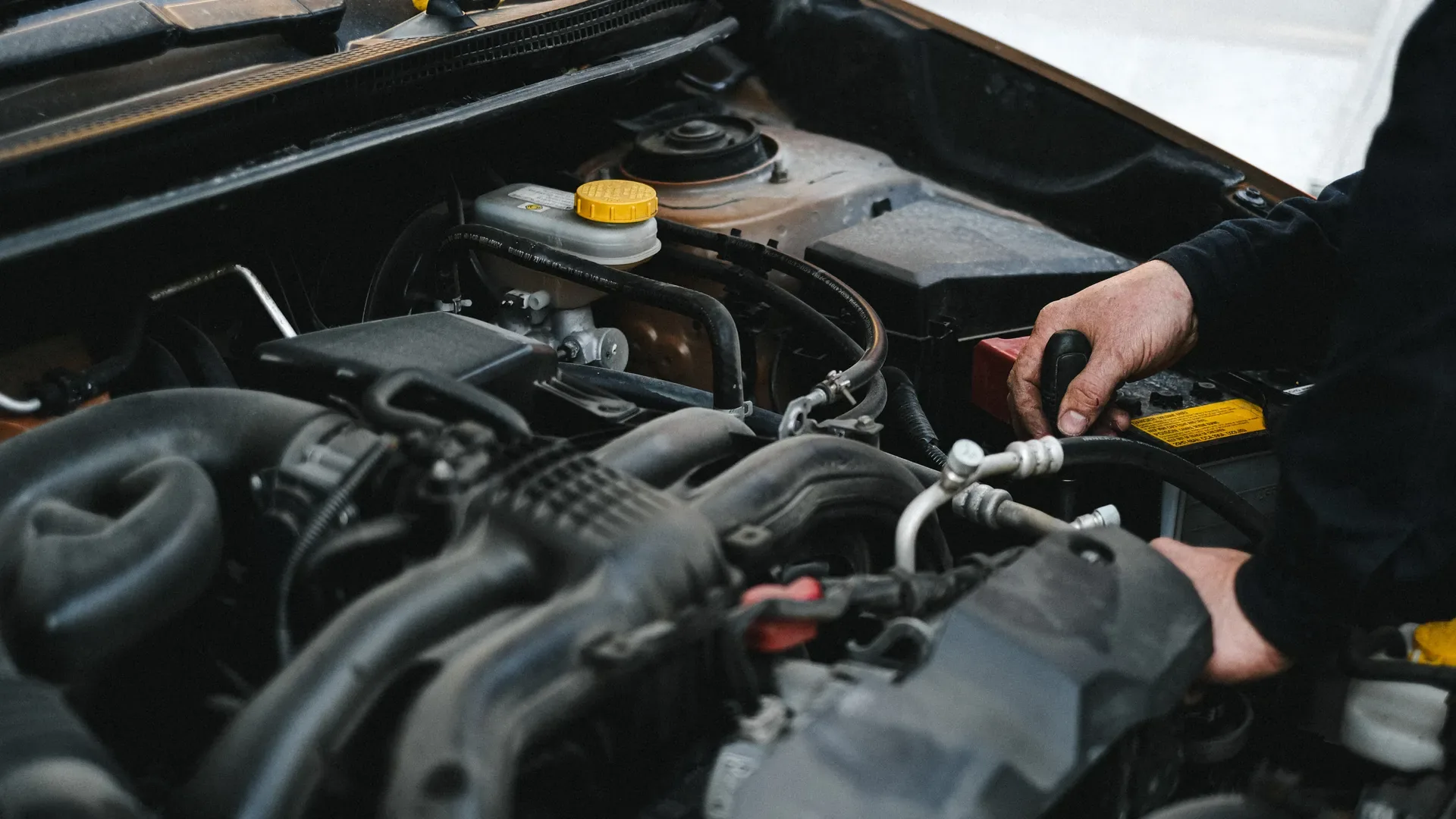
Diagnosis then combines two things. Computerized scan tools read fault codes from the vehicle’s systems, which identify the circuit or component reporting a problem. Hands-on inspection confirms what the codes suggest: checking fluids, belts, hoses, wiring, and the physical condition of suspect parts. A code alone is a starting point, not a diagnosis, which is why a shop that quotes parts off a code without inspecting is cutting corners. Our check engine light guide explains what those warnings actually mean.
Step 2: The Written Estimate and Your Approval
No work should start before you approve it in writing. A proper estimate lists each job separately: the parts, the labor, and the total, so you can see exactly what you are paying for and why. If a shop is vague about pricing or pressures you to authorize work immediately, that is a signal to slow down and ask questions.
Good questions at this stage include: what caused the failure, are there options between repair and replacement, what happens if I wait, and is any of this covered by a warranty or recall. A trustworthy advisor answers plainly. If the estimate includes work you did not ask about, ask how it was found and whether it is urgent or can be scheduled later. For help evaluating shops in general, see how to choose the right auto repair shop in Fort Lauderdale.
Your Warranty Stays Protected
Using an independent shop does not void your factory warranty. Federal law, the Magnuson-Moss Warranty Act, protects your right to have maintenance and repairs done outside the dealership, as long as the work is performed correctly with quality parts and documented. Damage caused by improper work or parts may not be covered, which is one more reason the quality of the shop matters.
Step 3: The Repair Itself
During the repair, the technician replaces or services the failed components, adjusts what needs adjusting, and documents the work. Part quality matters here: reputable shops use OEM or OEM-equivalent parts that meet the vehicle manufacturer’s specifications, because cheap parts are a common source of repeat failures. You are entitled to ask what brand of parts is going in and to see the old parts that were replaced.
If the technician discovers something additional once work begins, a good shop stops and contacts you before proceeding. Surprise line items appearing on the final bill without prior approval are not normal and not acceptable.
Step 4: Quality Checks Before You Drive Away
Before pickup, the vehicle should go through verification: the repaired system is retested, related systems are checked, and the car gets a road test to confirm the original complaint is resolved and nothing new appeared. This is also when the technician notes anything else wearing that you should plan for, which is useful information, not a sales pitch, when it is specific and documented.
At pickup you should receive a service report listing the work completed, the parts used, and any recommended follow-up with a realistic timeframe. Keep these records. They support warranty claims, help the next technician diagnose faster, and add value if you ever sell the car.
How to Prepare for Your Visit
You will get a faster, more accurate diagnosis if you arrive prepared: note when the symptom occurs (cold start, highway speed, braking, turning), whether any warning lights are on and what color they are, and any recent work done on the car. If the problem is intermittent, a phone video of the noise or behavior can help enormously.
Common Services and When They Come Up
Most visits fall into a familiar set of services. Knowing what each one involves helps you understand estimates and spot upsells.
Brake Service
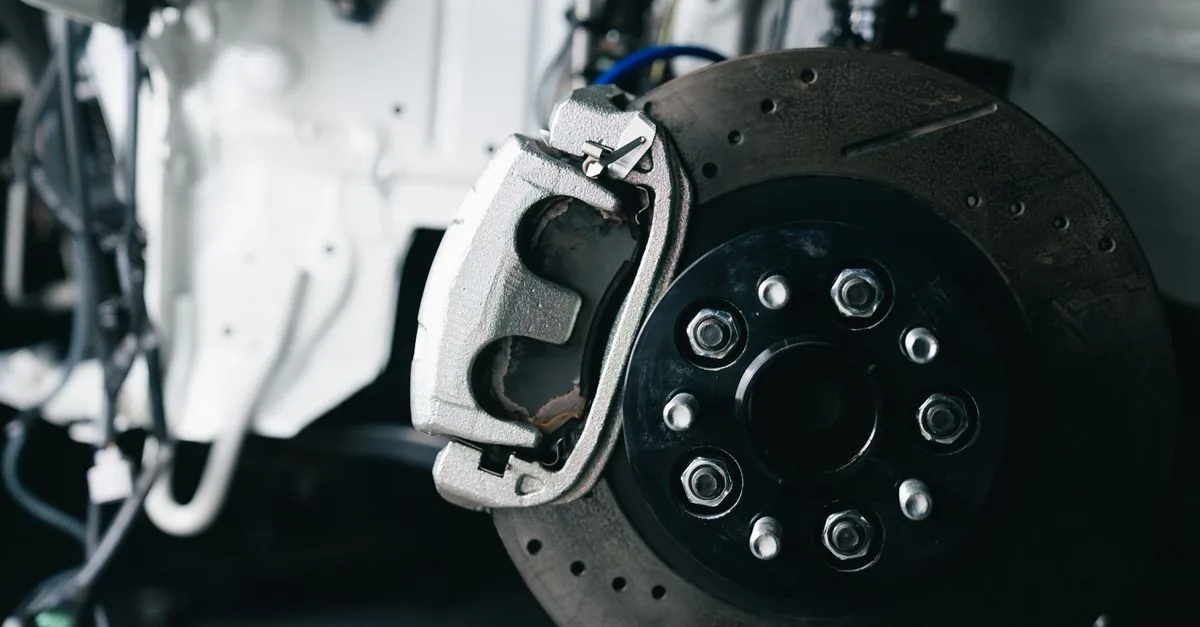
Pads, rotors, and fluid. Squealing, grinding, or a soft pedal mean an inspection is due now, not at the next oil change.
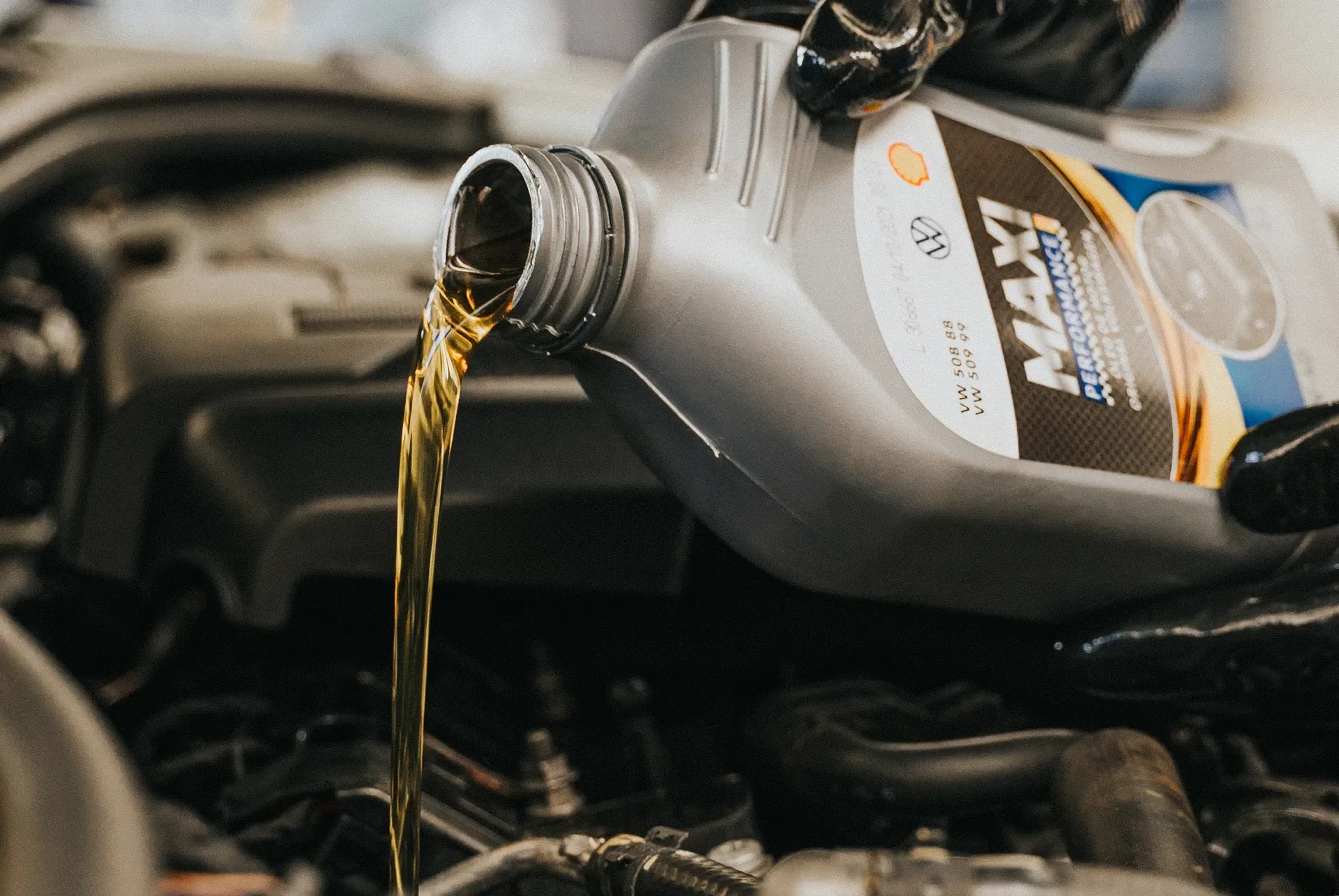
Oil Service
Oil and filter at the manufacturer’s interval or sooner in severe conditions like heat and short trips.
Diagnostics
Code reading plus physical inspection to find the true cause of warning lights or drivability complaints.
AC Service
Refrigerant, compressor, and condenser checks. Weak cooling in August is an emergency in South Florida.
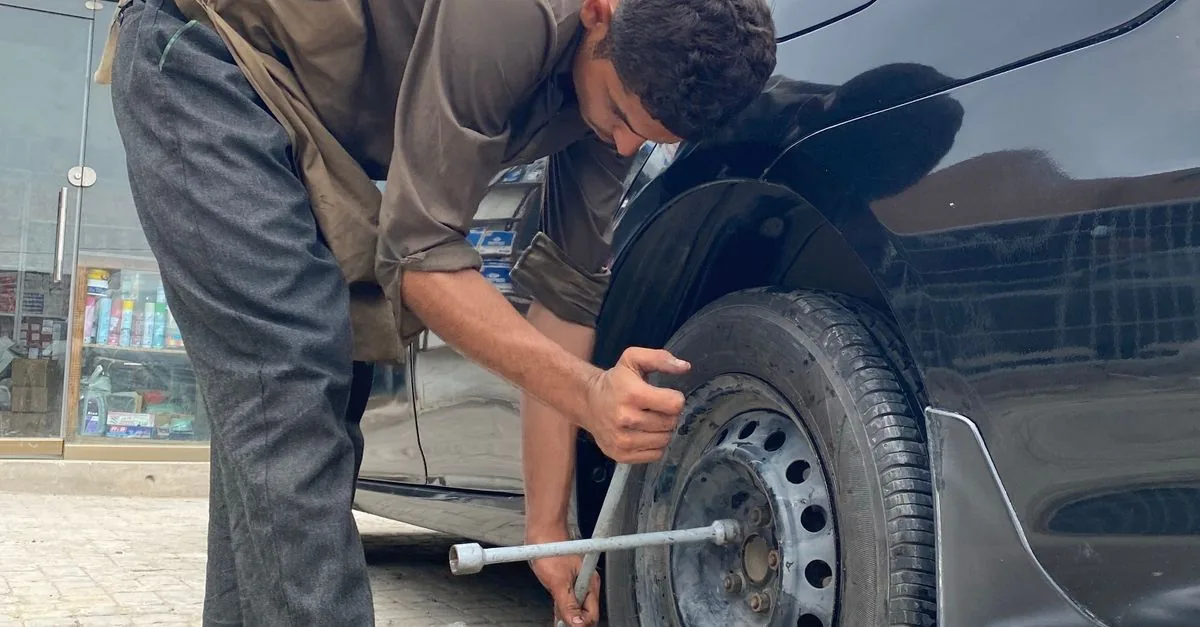
Tire Service
Rotation, balancing, alignment, and replacement based on tread depth and age, not just appearance.
Cooling System
Hoses, thermostat, water pump, and coolant. Overheating causes engine damage fast, so this one is never routine.
Warning Signs That Should Not Wait
Some symptoms justify an immediate visit rather than scheduling at your convenience. A flashing check engine light, any overheating, brake warning lights, sudden fluid leaks leaving spots where you park, or steering and handling that changes abruptly all belong in the urgent category. Driving on these risks turning a repair into a replacement. When in doubt, call and describe the symptom; a good shop will tell you honestly whether it can wait.
Do Not Ignore a Flashing Check Engine Light
A steady check engine light means have it diagnosed soon. A flashing one means the engine is misfiring badly enough to damage the catalytic converter, and continued driving can cause expensive secondary damage. Reduce speed, avoid hard acceleration, and get it checked promptly.
Vehicle Repair FAQ
How long will my repair take?
It depends on the job and parts availability. Routine maintenance is often same-day, while complex diagnostics or major component replacements can take longer. A good shop gives you a realistic timeframe up front and updates you if anything changes.
Should I get a second opinion on a big estimate?
For major work, a second opinion is reasonable and a confident shop will not mind. Bring the written estimate so the second shop can evaluate the same findings rather than starting from scratch.
Can I supply my own parts?
Some shops allow it and some do not, usually because the shop cannot warranty parts it did not source. Ask about the policy before ordering anything yourself, and understand that labor warranties typically still apply to the work.
Do I need an appointment, or can I walk in?
Appointments guarantee a technician is available for your car. Walk-ins are often accommodated for quick checks, but calling ahead, even same-day, gets you a faster answer and a realistic wait time.
What should I do if the problem comes back after repair?
Contact the shop promptly and describe exactly what returned. Reputable shops stand behind their work and will re-diagnose the issue; whether it is related to the original repair determines how it is handled, so clear communication matters.
Need Repairs Done Right the First Time?
Describe the symptom and we will diagnose the actual cause, explain your options with a written estimate, and verify the fix before you drive away. No surprises on the bill.
101 SW 17th St, Fort Lauderdale, FL 33315
Monday-Friday: 8:00 AM-6:00 PM
This guide describes general industry practice for professional vehicle repair. Diagnostic findings, repair options, and timeframes vary by vehicle and condition. Warranty rights described here reflect the federal Magnuson-Moss Warranty Act; specific warranty questions should be confirmed against your vehicle’s warranty terms.