Mechanic Services Near Me: What to Expect from a Professional Auto Repair Shop
- By John Xipolitidis
- Auto Repair Services, Automobile, Brake Services, Engine Diagnostics, Routine Maintenance
- Feb 3, 2026
Finding reliable mechanic services nearby can feel overwhelming. Fort Lauderdale drivers want a clear picture of what a good auto repair shop actually does, what a visit looks like, and how to tell a trustworthy shop from a risky one.
This guide explains common mechanic services, what happens during a visit, how pricing works, and how to choose a shop you can stay with for years.
Quick answer: A good mechanic offers clear written estimates, explains work in plain language, shows certifications, and warranties parts and labor. Expect routine maintenance in under a couple of hours, diagnostics that pinpoint the real problem before parts get replaced, and no pressure to approve work you do not understand.
What Professional Mechanic Services Cover
A full-service shop handles everything from routine maintenance to in-depth repairs. Understanding the categories helps you describe problems clearly and judge whether a recommendation makes sense.
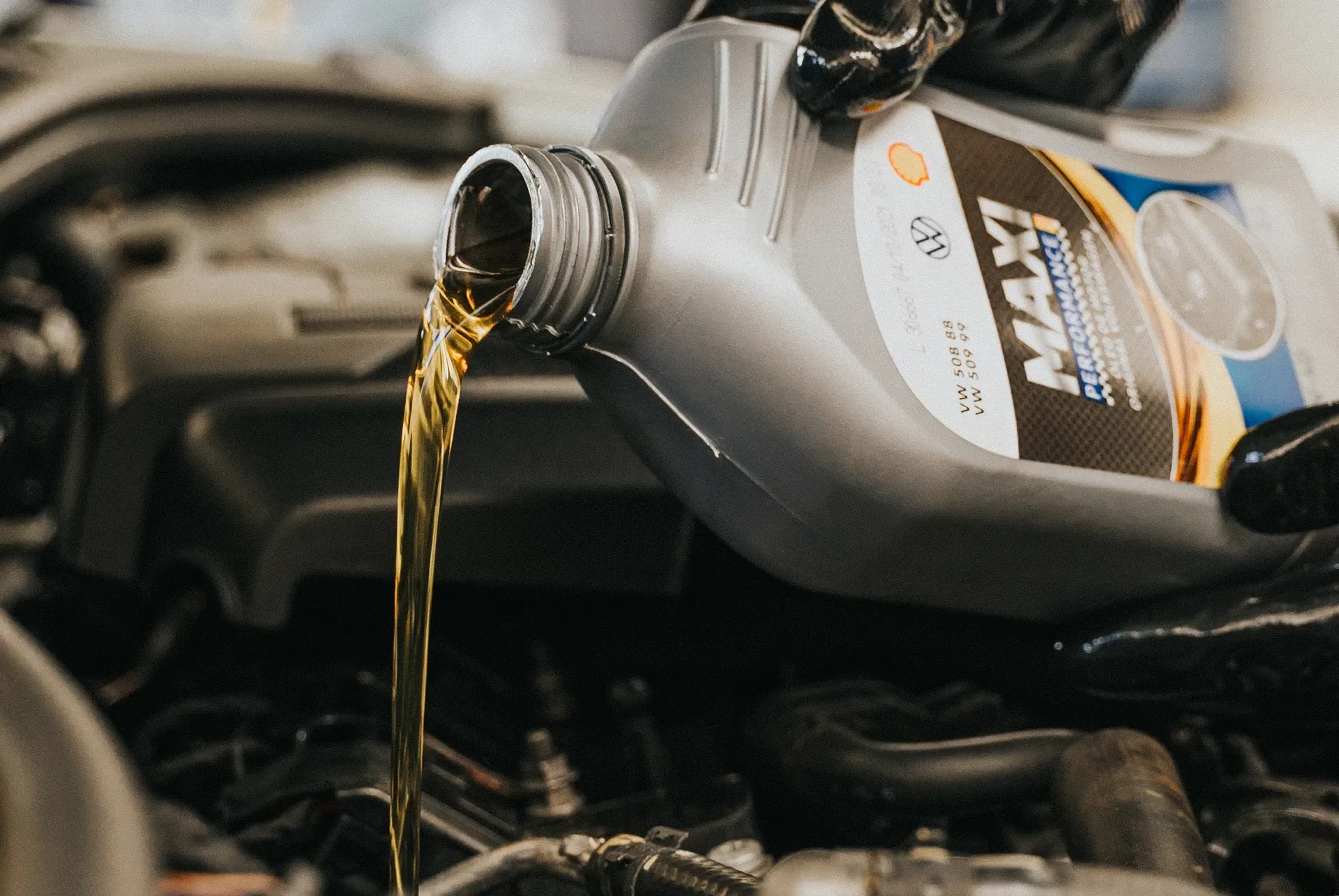
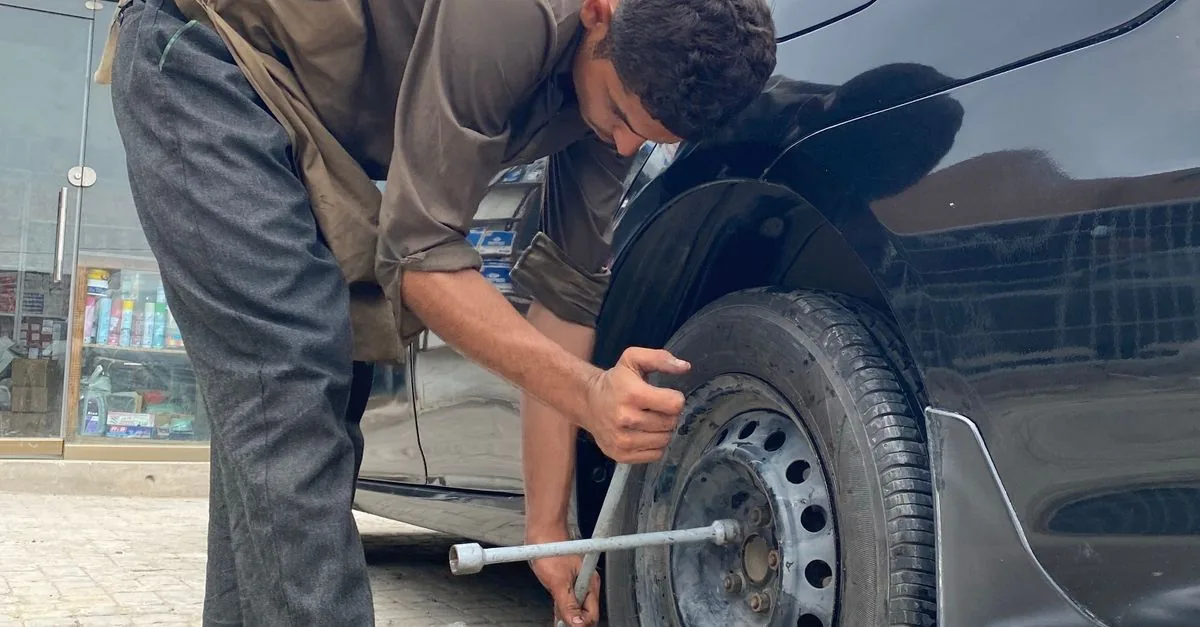
Routine maintenance. Oil changes and fluid top-offs, air and fuel filter replacements, tire rotations and pressure checks, brake pad inspections, battery load tests and terminal cleaning, and coolant level checks. This is the foundation of reliable ownership and the work that prevents most breakdowns.
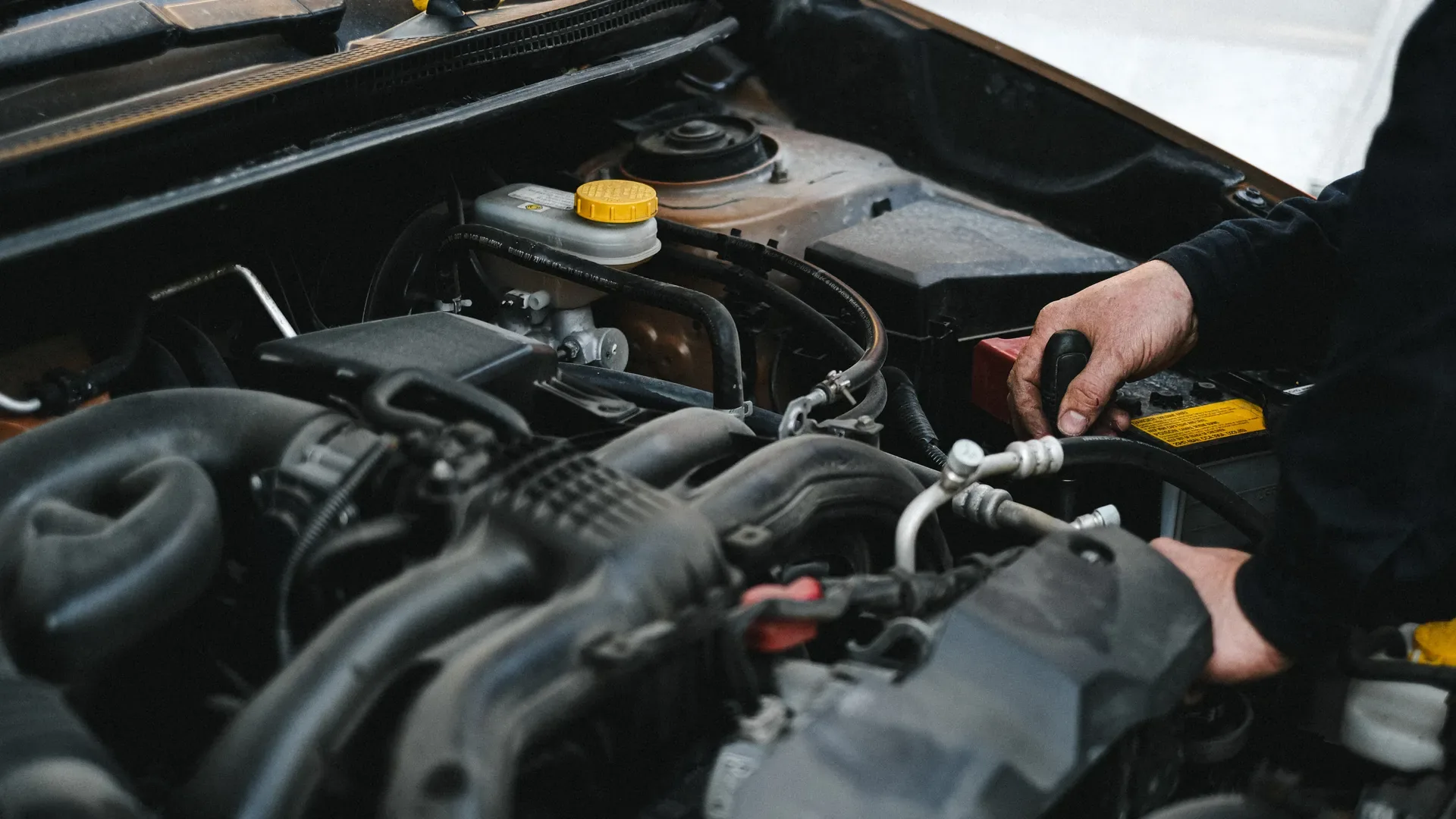
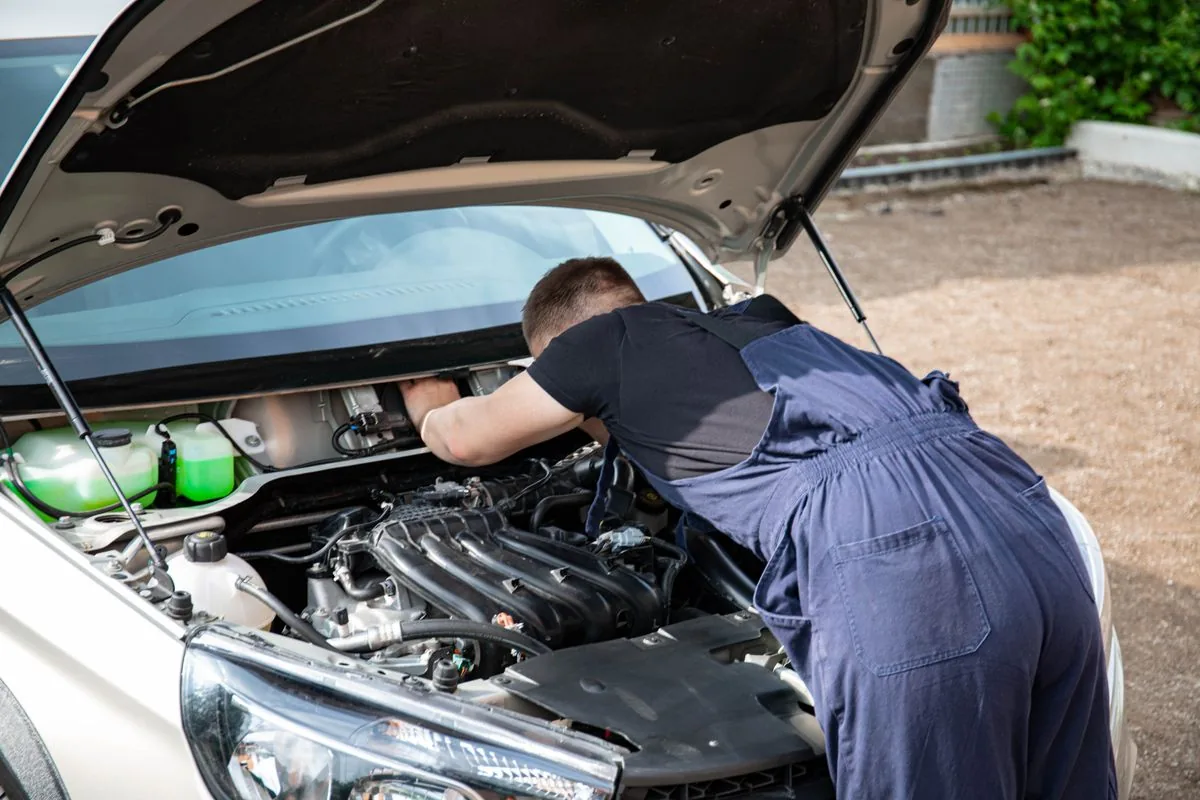
Diagnostics and repair. When something feels off, technicians use computerized scanners to read fault codes and test systems, from check engine warnings to transmission symptoms. Good diagnostics reduce guesswork: the shop finds the failed component instead of replacing parts until the problem disappears. If your warning light is on, start with our check engine light guide.
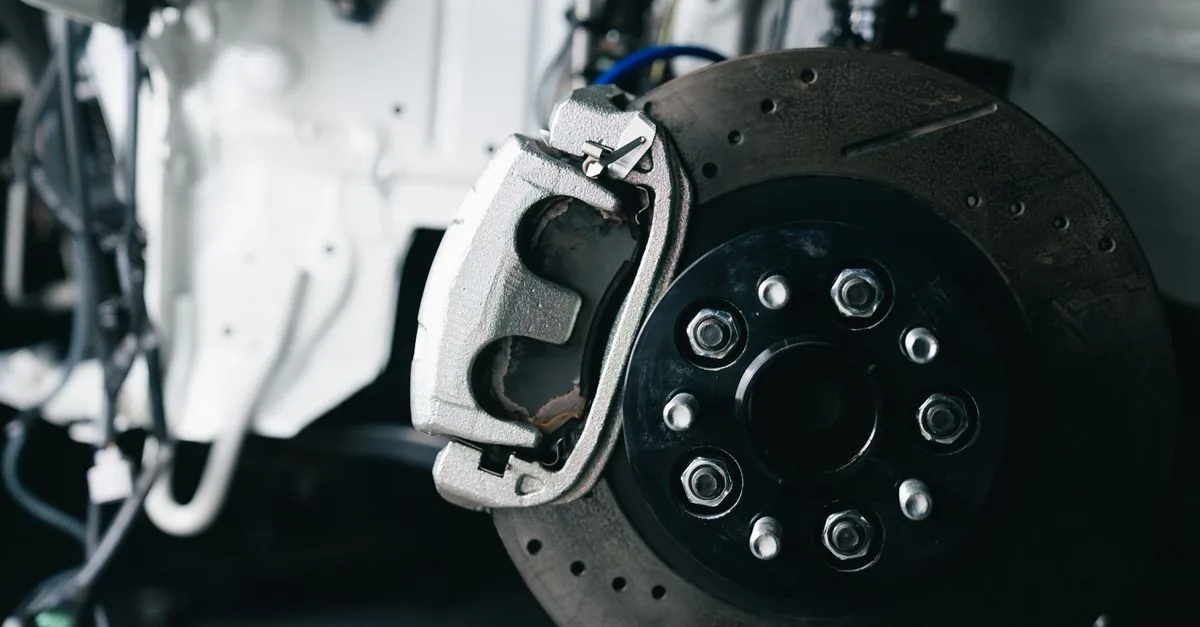
Major systems work. Engine work such as compression testing and misfire diagnosis, brake services covering pads, rotors, and fluid, and transmission work from fluid service to rebuilds. These jobs need certified technicians and proper equipment, which is why accurate engine diagnostics come first.
A Note on Florida Inspections and Emissions
Florida does not have a state safety inspection program, and the state ended its emissions testing program in 2000, so no shop should be selling you a "required" state inspection or emissions test. What matters is the manufacturer's maintenance schedule and a proper multi-point inspection by your technician.
How to Tell a Trustworthy Shop
Choosing a mechanic is a long-term decision. Look for these signs before you hand over the keys:
Look for ASE certification or manufacturer training, especially for European makes. Ongoing training is how a shop keeps up with complex modern systems.
Written, itemized estimates before work starts. Plain-language explanations. No surprise charges. You should understand the scope and cost before approving anything.
Reputable shops warranty their work. Ask what is covered and for how long, in writing, so you can compare shops fairly.
Read recent local reviews and check how the shop responds to criticism. A pattern of clear communication matters more than a perfect score. See what our customers say.
For a deeper walkthrough of vetting a shop, read our guide on how to choose the right auto repair shop in Fort Lauderdale, and our comparison of independent shops versus dealerships.
What Happens During Your Visit
Your first visit to a good shop follows a predictable routine. The service advisor discusses your concerns and the car's history. The technician performs an inspection and any needed diagnostic testing. You get a clear breakdown of findings with cost estimates and timelines, including the risks of delaying anything urgent. You approve the work, and only the work, you want done.
Timelines vary by job. Routine maintenance like oil changes or tire rotations often takes under an hour or two. Involved engine or transmission work can take several hours or days. A reputable shop gives you an estimated timeline up front and updates you if anything changes.
How to Prepare for the Appointment
Bring your service history, a list of current symptoms (when they happen, what they sound like), and any recall or prior repair documents. Knowing your warranty status helps too. Book ahead by phone or online so the shop can order any parts in advance. Our FAQ page covers the most common first-visit questions.
Understanding Mechanic Pricing
Costs depend on labor rates, parts quality, vehicle make and model, and job complexity. European cars often cost more because they use specialized parts and expertise. Typical ranges at independent shops look roughly like this, though every shop and vehicle differs:
Routine maintenance such as oil changes, rotations, and inspections generally runs $50 to $150 and takes 30 to 90 minutes. Diagnostic services typically run $80 to $200 and take 30 to 60 minutes. Major repairs to engines, brakes, or transmissions start around $300 and climb from there, taking several hours to days.
To compare shops fairly, get multiple written estimates and compare the same scope of work, not just the bottom line. Ask whether the quote uses OEM or quality aftermarket parts, and confirm the warranty terms. If a quote seems unusually low, ask what is being left out. For more on keeping costs manageable, see our guide to affordable car repair and what the best local mechanics have in common.
Red Flags Worth Walking Away From
Be cautious of shops that refuse written estimates, pressure you to decide on the spot, cannot explain why a repair is needed, or discourage second opinions. A professional shop welcomes your questions and your verification.
Mechanic Services FAQ
How do I find a trustworthy mechanic near me?
Look for ASE certification or manufacturer training, written itemized estimates, clear explanations, a parts and labor warranty, and recent local reviews. Ask friends for referrals and get a second opinion on any major diagnosis you are unsure about.
How much does a diagnostic test cost?
At most independent shops, a diagnostic service typically runs $80 to $200 and takes 30 to 60 minutes, depending on the vehicle and the complexity of the problem. The fee is usually credited toward the repair if you have the work done there.
Does Florida require vehicle inspections or emissions testing?
No. Florida does not have a state safety inspection program, and its emissions testing program ended in 2000. Be wary of any shop presenting either as a state requirement.
Should I get multiple estimates?
Yes, especially for major repairs. Compare written estimates covering the same scope of work, the same parts quality, and the warranty terms, not just the total price. The cheapest quote is not always the best value.
How often should I bring my car in for maintenance?
Follow your manufacturer's schedule, which for many modern cars means service every 10,000 miles or 12 months, with shorter intervals under severe conditions like city heat. Do not wait for the schedule if warning lights or new symptoms appear.
Looking for a Mechanic You Can Trust?
Come in for a clear inspection, a written estimate, and plain-language answers to your questions. No pressure, no surprises.
101 SW 17th St, Fort Lauderdale, FL 33315
Monday-Friday: 8:00 AM-6:00 PM
Pricing ranges are typical for independent shops and vary by vehicle, parts quality, and local labor rates. Always get a written, itemized estimate for your specific vehicle. Florida inspection and emissions information reflects state programs as of 2026.