Mastering Car Performance for Your Vehicle in Fort Lauderdale
- By John Xipolitidis
- Auto Repair Services, Automobile, Brake Services
- Aug 20, 2025
Mastering car performance begins with a simple truth: a subtle engine issue can quietly drain your wallet and your fuel tank. In Fort Lauderdale, expert engine diagnostics catch those problems before they escalate into costly breakdowns.
This guide explains what diagnostic testing involves, how to read your check engine light, and when professional diagnostics are the smart move.
Quick answer: Modern cars monitor themselves through the OBD-II system, which stores diagnostic trouble codes when something goes wrong. A steady check engine light means schedule a visit soon. A flashing check engine light means a severe misfire that can damage the catalytic converter, so stop driving and get help.
What Engine Diagnostics Actually Do
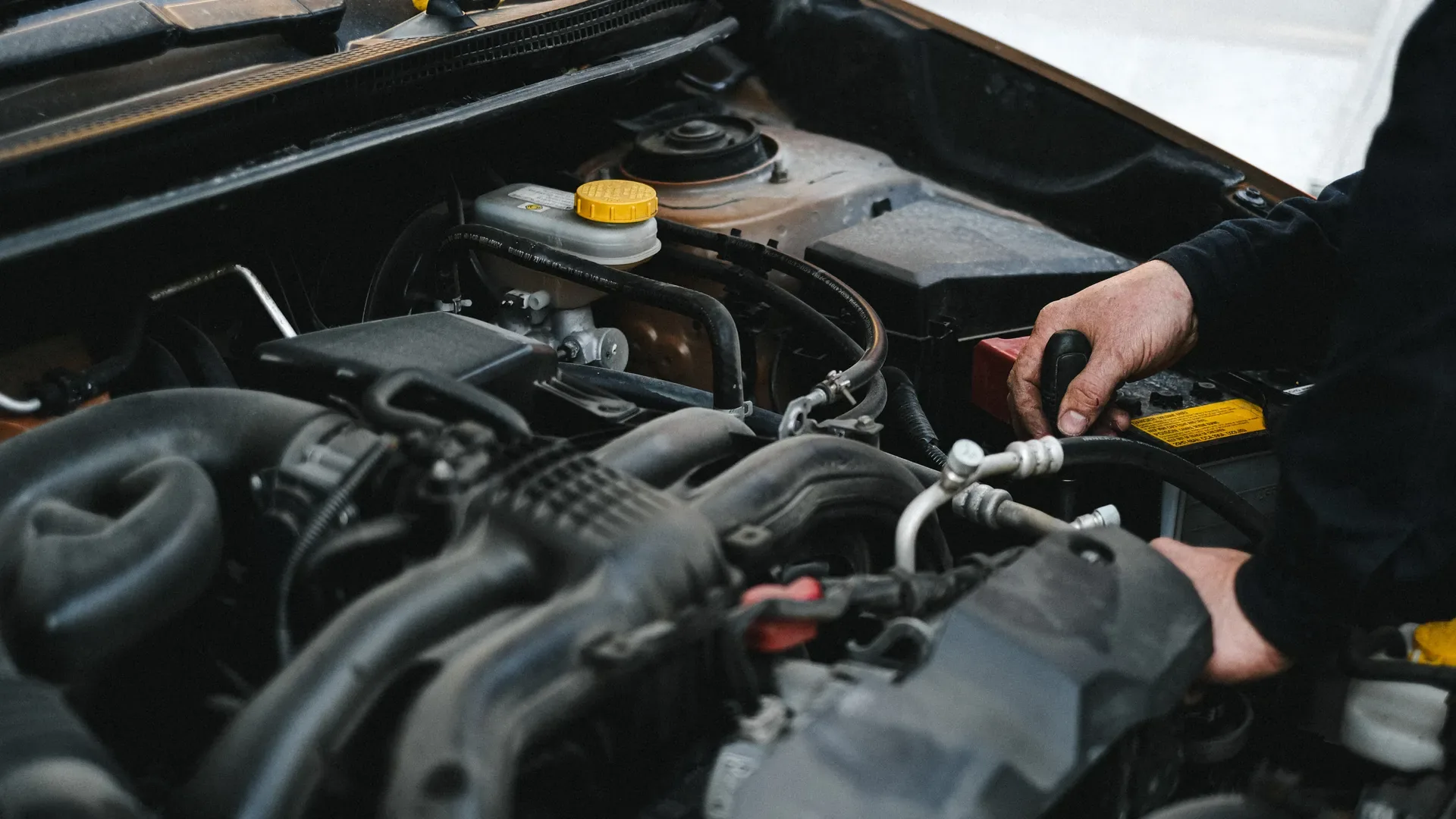
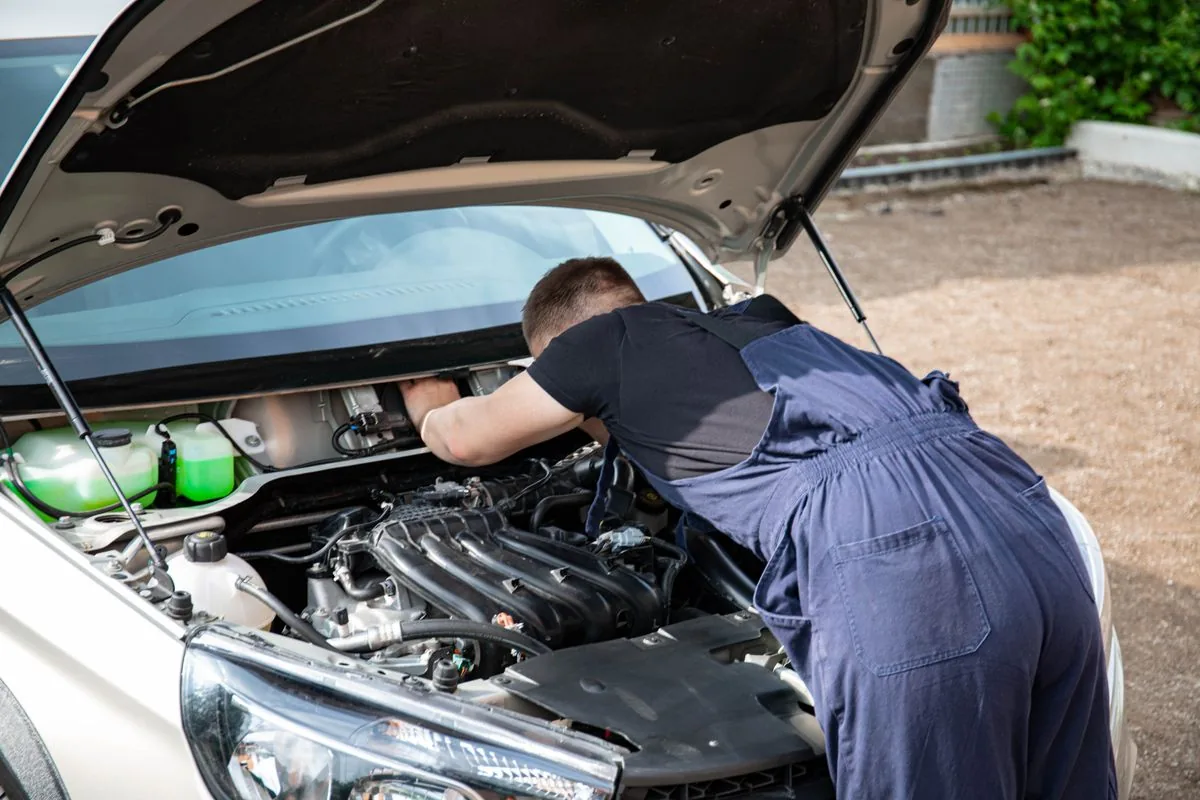
Engine diagnostics is the methodical process of scanning your vehicle's systems through its built-in sensors and computer protocols to pinpoint malfunctions. Today's cars use the OBD-II system, which communicates with the engine control unit. Technicians retrieve diagnostic trouble codes and view live engine data to see exactly what the engine is doing, rather than guessing from symptoms alone.
This data-driven approach is what makes modern diagnostics so effective. Instead of replacing parts by trial and error, the technician follows the evidence: the code, the live readings, and a physical inspection together point to the real fault.
Why Regular Diagnostic Checks Pay Off
Catching faults early restores clean combustion. A failing oxygen sensor or a small misfire can quietly cost you fuel for months before you notice anything else.
Diagnostics identify emission and fuel-system faults before they become leaks or drivability hazards. Knowing what is wrong beats hoping it goes away.
Small problems compound. A minor sensor fault left alone can stress the catalytic converter, the ignition system, and the engine itself. Early repairs stop the chain reaction.
A diagnostic scan costs far less than the emergency repair it prevents. Finding a worn part during a routine check beats finding it on the side of I-95.
Reading Your Check Engine Light
The check engine light means the engine control unit has detected an irregularity, ranging from a loose gas cap to a faulty oxygen sensor. How the light behaves tells you how urgent it is. A steady light typically signals a moderate issue worth scheduling soon. A flashing light demands immediate attention: it usually means a severe misfire that can overheat and destroy the catalytic converter, one of the most expensive parts on the car.
If your light is on now, the check engine light diagnostic guide walks through the most common causes and what to do next.
A Flashing Light Means Stop
If the check engine light is flashing, ease off the throttle, avoid hard acceleration, and get to a safe place to stop. Continuing to drive with a severe misfire can melt the catalytic converter's internals within minutes, turning a spark plug or coil repair into a far larger bill.
Common Problems Diagnostics Uncover
These are the faults technicians find most often behind a check engine light. Identifying them early turns a mysterious warning into a straightforward repair plan.
Irregular ignition causing rough idling, hesitation, and power loss. Often traced to worn spark plugs, failing ignition coils, or fuel delivery issues.
Lean or rich fuel mixtures that reduce efficiency and can damage the catalytic converter over time. Vacuum leaks and dirty injectors are common culprits.
Faults in the EGR system, EVAP system, or catalytic converter itself. These affect both drivability and whether the car passes inspection.
Defective mass airflow or oxygen sensors disrupt the engine's fuel mapping. Sensor faults are common, usually affordable to fix, and restore both performance and economy.
For a deeper look at specific codes and causes, see the guide to check engine light issues and the Fort Lauderdale engine diagnostics overview.
When to Get Professional Diagnostics
Seek professional diagnostics whenever you notice persistent rough idling, a noticeable drop in power, rising fuel consumption, or any warning light that stays on. You do not need to wait for a breakdown: the whole point of diagnostics is to find the problem while it is still small and affordable.
A proper diagnostic visit includes the code scan, live data review, and a physical inspection to confirm the fault before any parts are replaced. That confirmation step is what separates professional diagnostics from a parts-store code read. Contact Southport Auto Repair to schedule yours.
Diagnostics Are an Investment, Not an Upsell
Some drivers skip the diagnostic fee and ask the shop to just replace the part the code names. That often costs more: a code points to a circuit or system, not a guaranteed part. Paying for the diagnosis is how you avoid paying for parts you did not need.
Engine Diagnostics FAQ
What does a steady check engine light mean?
It means the engine control unit has stored a fault code for a moderate issue, such as a sensor reading out of range or an emissions fault. The car is usually safe to drive gently, but schedule a diagnostic visit soon before a small problem grows.
What does a flashing check engine light mean?
It usually signals a severe engine misfire that can overheat and damage the catalytic converter. Ease off the gas, avoid hard acceleration, and stop driving as soon as it is safe. Get the car diagnosed before driving it again.
Will the check engine light turn off by itself?
Sometimes, if the fault was temporary, the light may go out after several drive cycles. The code usually stays stored in the computer, though, so it is still worth having it checked to make sure the underlying issue is resolved.
Can I keep driving with the check engine light on?
With a steady light and no drivability symptoms, driving gently to a shop is generally reasonable. With a flashing light, overheating, or severe power loss, stop driving and arrange a tow instead.
How much does engine diagnostics cost?
It varies by shop and by how deep the diagnosis needs to go. A proper diagnostic fee covers the scan, live data analysis, and inspection to confirm the fault, and it is almost always less than replacing parts on a guess.
Check Engine Light On? Get Real Answers.
Skip the guesswork. Get a proper diagnostic scan, live data review, and a confirmed repair plan from technicians who do this every day.
101 SW 17th St, Fort Lauderdale, FL 33315
Monday-Friday: 8:00 AM-6:00 PM
Diagnostic trouble codes point to circuits and systems, not guaranteed parts. This guide describes common causes and typical diagnostic approaches, not a diagnosis of your vehicle. A professional scan and inspection are needed to determine what your car actually requires.