Full Brake Replacement Costs: A Practical Guide to Budgeting and What to Expect
A full brake replacement is one of those necessary maintenance jobs that keeps you and your passengers safe — and it can be expensive. The NHTSA safety guidelines stress regular maintenance to help prevent accidents. Knowing how brake replacement costs work, what a full service includes, how shops price the work, and when replacement is needed will help you plan and avoid surprises. This guide walks through the parts of a full brake replacement, the factors that drive the cost, common warning signs of brake wear, and whether a DIY repair or a professional service is the smarter choice.
What Is Included in a Full Brake Replacement?
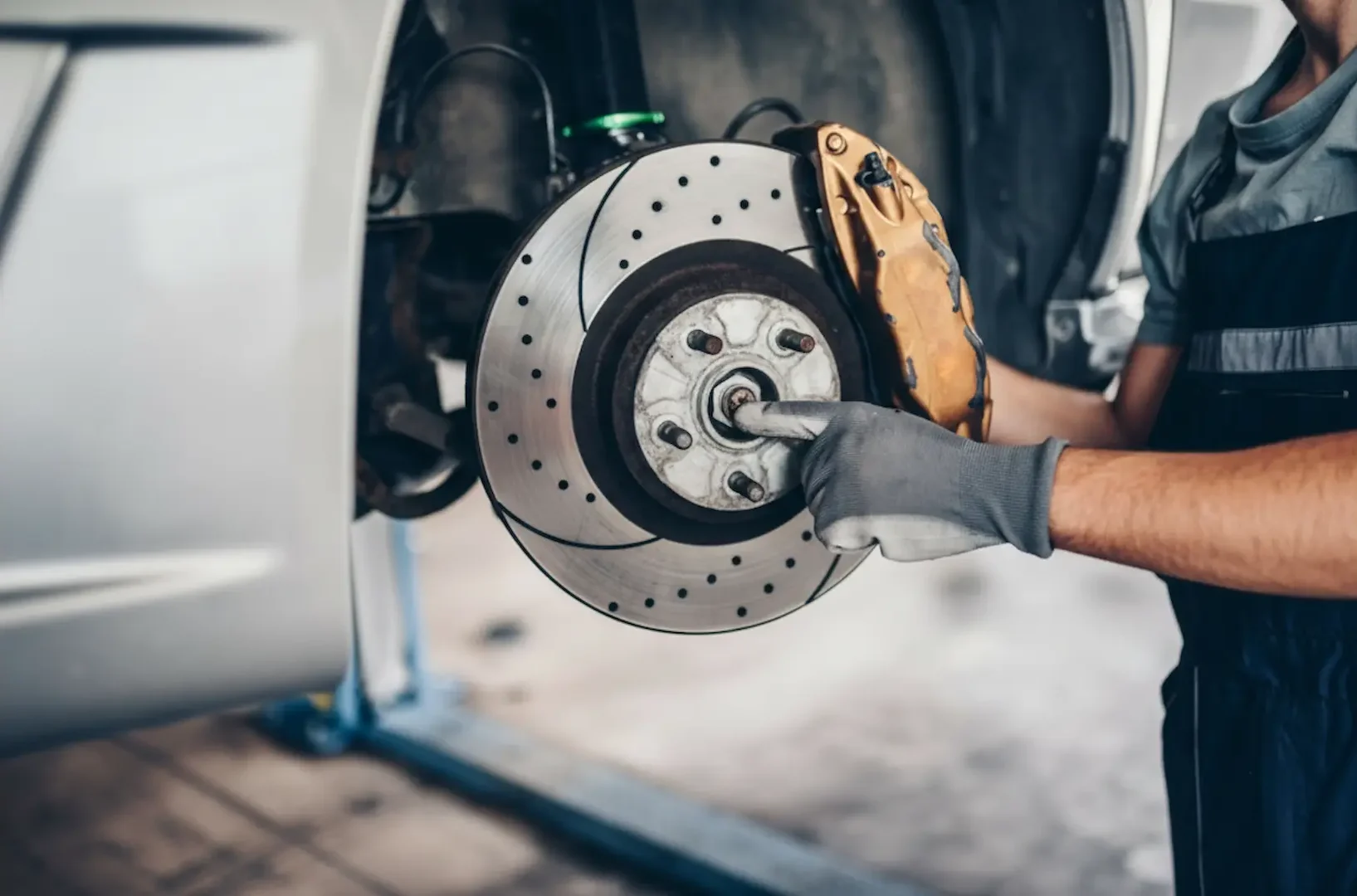
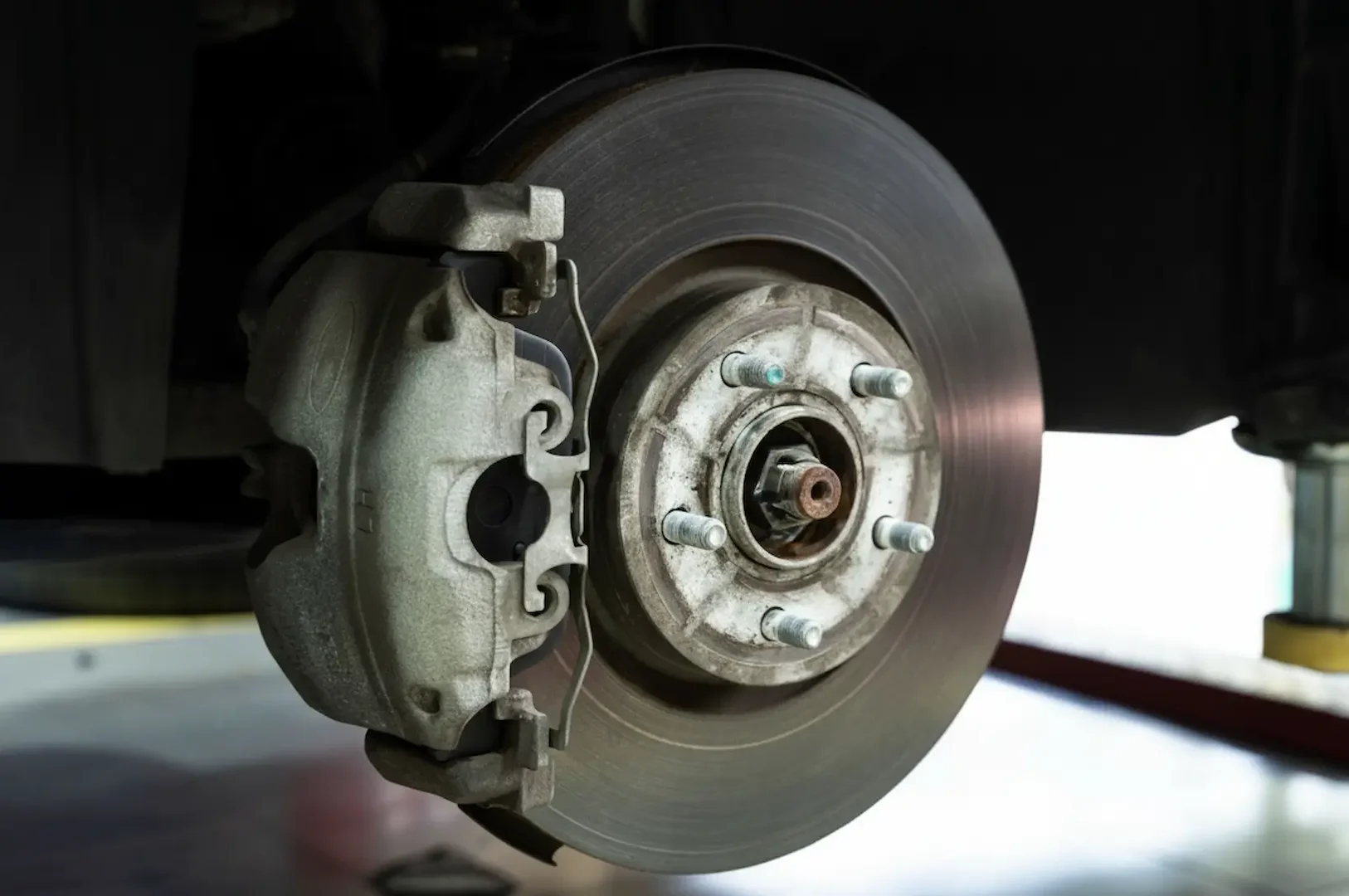
A full brake replacement goes beyond swapping out worn brake pads. Technicians inspect and, when needed, replace multiple components so the system stops reliably. For a clear overview of how brake systems work, HowStuffWorks is a useful reference. Most full jobs include new brake pads and rotors, and sometimes calipers, plus an inspection of brake lines and hardware. Many shops also recommend a brake fluid flush to remove moisture‑contaminated fluid that can reduce stopping power.
Which Brake Components Are Replaced During a Full Brake Job?
Typical replacements include worn brake pads and damaged rotors, and—if needed—brake calipers. Techs often replace or adjust anti‑rattle clips and shims to cut down on noise and improve pedal feel. Keeping these parts in good shape is essential for proper friction and dependable stopping performance after a brake replacement.
How Does Labor Factor Into the Brake Replacement Process?
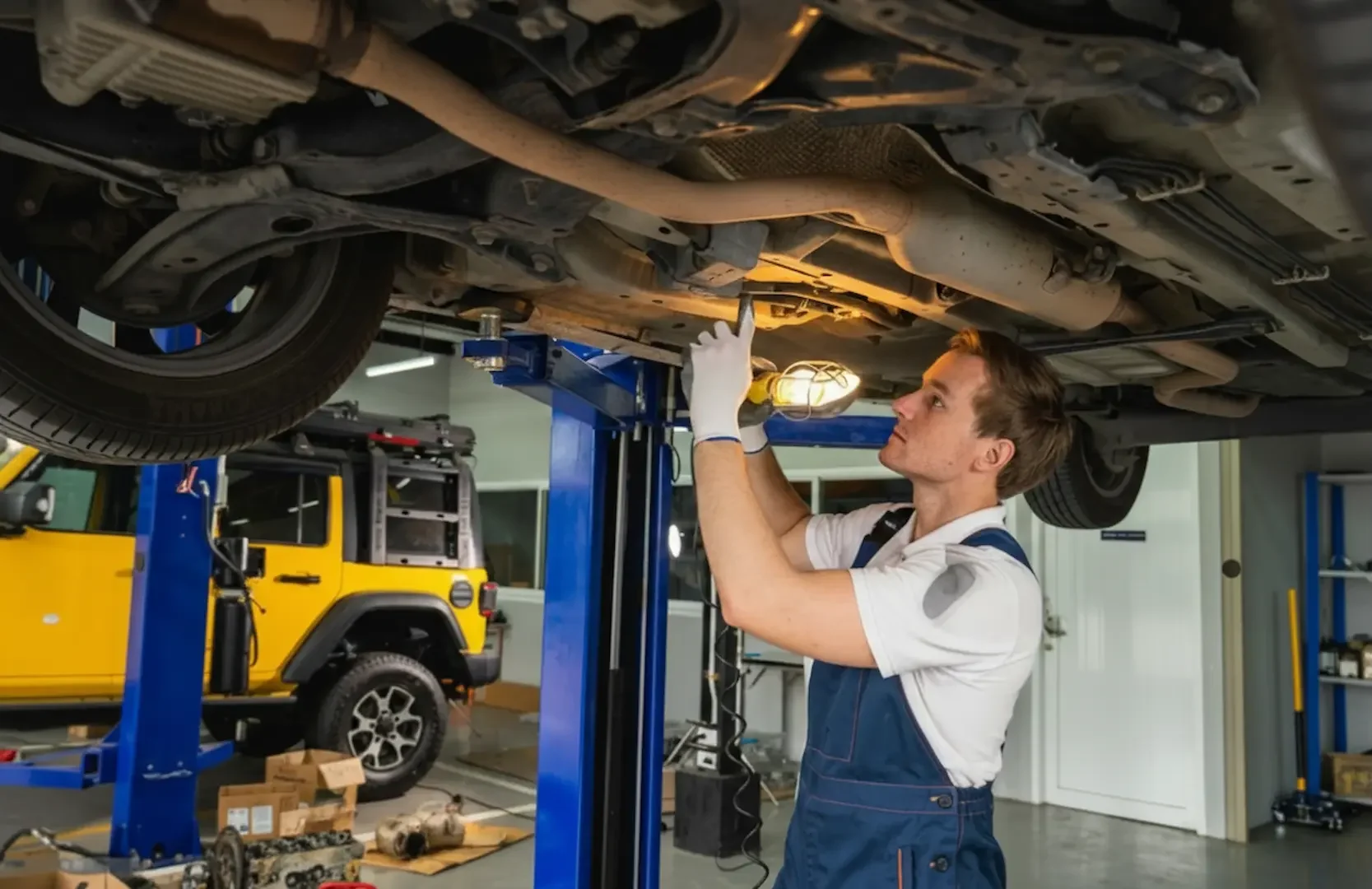
Labor is a major part of the total cost. Technicians spend time disassembling the wheel and brake components, inspecting for hidden damage, and reassembling and calibrating the system. Proper installation often requires specialty tools and diagnostic equipment. Skilled labor improves braking performance and overall vehicle safety, so for dependable Fort Lauderdale brake repair, professional shops are a smart choice.
Are Additional Services Like Brake Fluid Flush Included in a Brake Replacement?
Many full brake replacement packages recommend or include a brake fluid flush. That process drains old fluid that has absorbed moisture and replaces it with fresh fluid to meet manufacturer specs. Some shops bundle the flush into the service; others list it as an add‑on.
How Much Does a Full Brake Replacement Typically Cost?
The final cost depends on parts and labor. Below we outline typical price ranges and the factors that influence what you’ll pay.
What Are the Average Costs for Brake Pads, Rotors, and Calipers?
Brake pads commonly cost about $50–$150 per axle. Rotors usually run $30–$100 each, depending on material and quality. If calipers need replacement, expect an additional $100–$300 per unit. Whether you choose OEM or quality aftermarket parts, these components are meant to restore safe braking after a brake replacement.
How Do Labor Costs Affect the Total Brake Replacement Price?
Labor rates typically range from $75–$150 per hour, and a job can take one to three hours per axle. Combined with parts, most full replacements average $250–$800 per axle, though that varies with your vehicle make, model, and the condition of existing parts.
Full Brake Replacement Cost Breakdown by Vehicle Type
| Vehicle Type | Parts Cost Range (per axle) | Labor Cost Range (per axle) | Total Cost Estimate (per axle) | Average Time (per axle) |
|---|---|---|---|---|
| Compact Cars | $150 – $300 | $100 – $200 | $250 – $500 | 1.5 – 2.5 hours |
| Sedans | $200 – $400 | $150 – $250 | $350 – $650 | 2 – 3 hours |
| SUVs | $300 – $600 | $200 – $350 | $500 – $950 | 2.5 – 4 hours |
| Luxury Vehicles | $400 – $800+ | $250 – $500+ | $650 – $1300+ | 3 – 5 hours |
| Trucks/Heavy Duty | $350 – $700+ | $250 – $450+ | $600 – $1150+ | 3 – 5 hours |
What Additional Fees or Taxes Should You Expect for a Brake Replacement?
Shops often add charges for shop supplies, disposal fees, and taxes — typically around 10% of the bill. So a $600 service can end up with roughly $60 in extra fees; factor that into your budget.
What Factors Influence the Cost of Full Brake Replacement?
Several variables change the price you’ll see on the estimate. These include your vehicle’s make and model, the materials used for brake parts, and the shop’s location and expertise. For a deeper look at these brake replacement cost factors, check our linked resource.
How Does Vehicle Make and Model Impact Brake Replacement Costs?
Luxury or high‑performance cars often require pricier, specialized parts (think carbon‑ceramic rotors), which raises costs. Economy vehicles generally use common, lower‑cost parts that are easier to source and replace.
Do Brake Pad and Rotor Materials Affect Pricing for a Brake Replacement?
Yes—material choice matters. Organic brake pads are usually cheaper but wear faster. Semi‑metallic and ceramic pads cost more but last longer and perform differently. High‑grade or composite rotors that dissipate heat better will also raise the price, reflecting improved durability and performance.
Brake Pad Material Types Comparison
| Material Type | Average Cost (per axle) | Lifespan (miles) | Best For | Pros | Cons |
|---|---|---|---|---|---|
| Ceramic | $50 – $100 | 50,000 – 70,000 | Daily drivers, luxury vehicles | Quiet, low dust, good performance, gentle on rotors | Higher cost, less initial bite in cold, not ideal for heavy-duty use |
| Semi-Metallic | $30 – $80 | 30,000 – 50,000 | Performance, heavy-duty, trucks | Strong stopping power, good heat dissipation, durable | Noisier, more dust, can wear rotors faster |
| Organic (NAO) | $20 – $60 | 20,000 – 40,000 | Light daily driving, older vehicles | Quiet, easy on rotors, affordable | Lower performance, shorter life, more dust, prone to fade |
How Does Location and Service Provider Choice Change Costs?
Brake Replacement Costs in the Southport Area
In Southport and Brunswick County, coastal conditions and local market factors can shift prices from national averages. Expect a full brake replacement (per axle) in the area to average roughly $300 to $900, depending on vehicle type and parts required.
Local factors that affect pricing include:
- Coastal Environment: Salt air and humidity near the coast speed corrosion on brake parts, so corrosion‑resistant components or more frequent replacements may be needed.
- Tourist Traffic Seasonality: Peak seasons can raise demand for auto services, sometimes increasing wait times or labor costs.
- Local Competition: Areas with more independent shops typically have competitive pricing, while specialty or dealership shops may charge a premium for expertise.
We recommend getting itemized quotes from several local shops to compare parts, labor, and fees. Read reviews and check local directories to find trustworthy service centers.
Geography and shop choice also matter: urban areas or places with higher living costs generally have higher labor rates. Independent mechanics often charge less than dealerships. Always request detailed, written estimates to avoid surprises. For help finding reputable help, see our guide on finding reliable mechanics or consult BBB-rated auto repair listings.
How Can You Identify When Your Brakes Need Replacement?
Spotting brake problems early prevents accidents and can keep you from paying for a full system overhaul. Below are common warning signs and recommended practices to catch issues sooner.
What Are the Common Warning Signs of Brake Wear or Failure?
Watch for squealing or grinding noises, a spongy pedal, or vibrations in the steering wheel when you brake. Visible wear—like deep grooves or unusual discoloration on pads or rotors—also signals it’s time for service. For a step‑by‑step guide on spotting trouble, see Car and Driver’s brake guide or our own article on signs your car needs repair.
How Often Should You Inspect or Replace Brake Components?
Regular inspections—about every 12,000 miles or once a year—are a good rule of thumb. If you drive in stop‑and‑go traffic, tow heavy loads, or tackle steep terrain, check brakes more often. Routine checks catch pad, rotor, and caliper wear early and lower the risk of major failure. This is an important part of scheduled maintenance.
Can Early Detection Reduce Full Brake Replacement Costs?
Catching wear early often means you only need new pads instead of a full system overhaul, which can significantly cut costs. Early intervention also prevents secondary damage and helps avoid larger repair bills—another reason regular maintenance pays off.
Should You Choose DIY Brake Replacement or Professional Service?
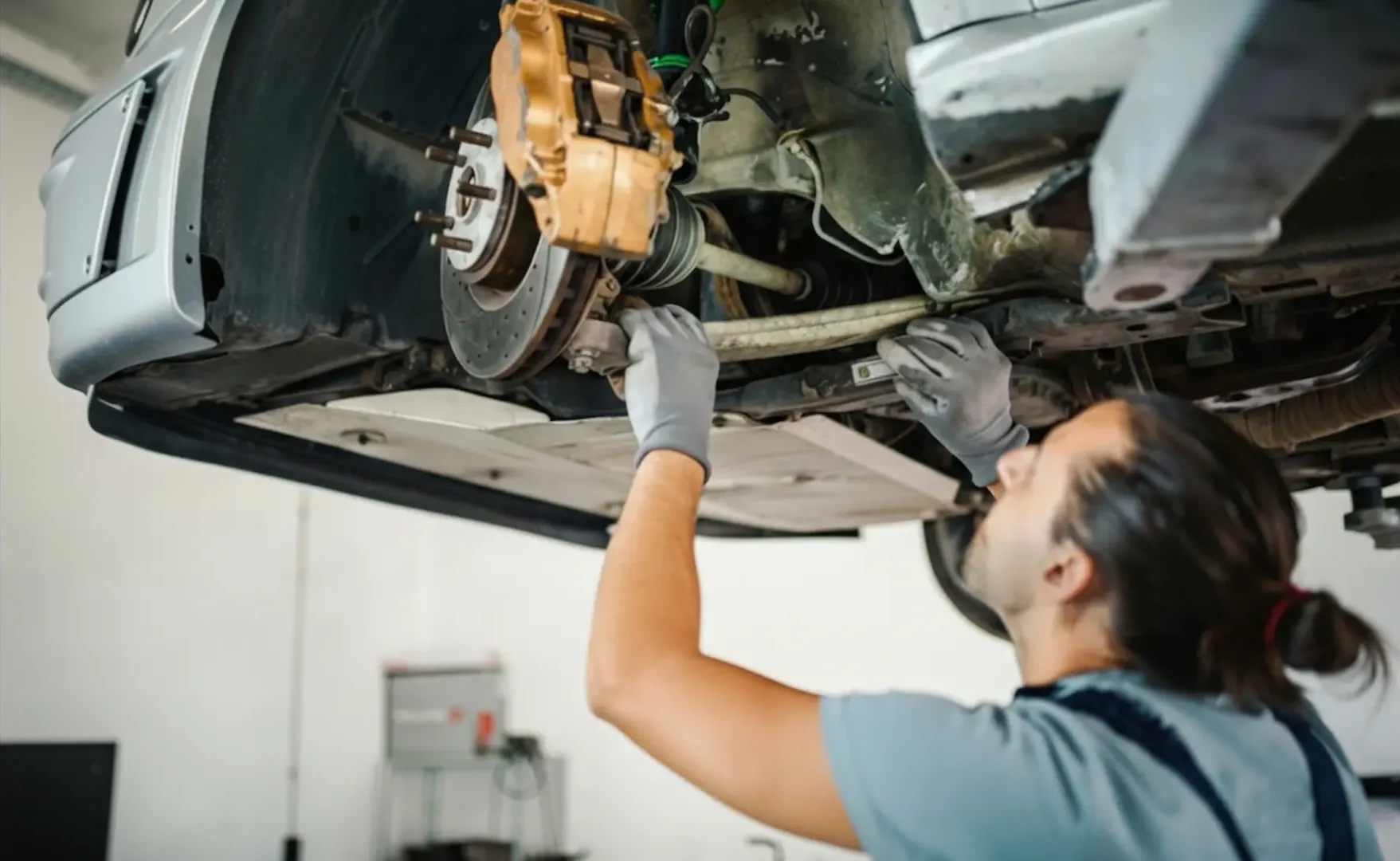
Choosing DIY versus professional work depends on your experience and the brake system’s complexity. For general safety guidance consult the NHTSA, or if you prefer professional help, see local options at recommended brake repair services.
What Are the Pros and Cons of DIY Brake Replacement?
Doing it yourself saves labor costs and can be rewarding if you have the skills and tools. But incorrect installation risks poor braking, faster wear, and safety hazards. Without proper diagnostics, underlying issues can be missed—so DIY is best only for experienced home mechanics.
Why Is Professional Brake Replacement Recommended?
Professional brake replacement is recommended because ASE‑certified technicians can diagnose hidden problems, install and calibrate parts to factory standards, and typically offer warranty coverage on parts and labor. That reduces risk and future repair costs, making professional service a wise investment. Professionals also use advanced diagnostics to find underlying issues.
How Does Professional Service Affect Your Budget and Peace of Mind?
Professional service usually costs more up front but can save money over time by preventing repeat visits and ensuring the job is done right. The confidence that your brake system meets factory standards and keeps you safe is often worth the extra cost.
How Can You Budget Effectively for a Full Brake Replacement?
Budgeting for a brake replacement means knowing typical costs, asking about financing, and getting accurate quotes. For more detail on brake replacement costs, check our linked resources.
What Are Typical Price Ranges by Vehicle Type and Brake Components?
Economy cars commonly fall between $250 and $600 per axle, while premium or performance vehicles can run $700 to $1,000+ per axle. Prices change with part quality and installation complexity.
Are There Financing or Warranty Options Available for a Brake Replacement?
Many shops offer financing or extended warranty plans so you can spread payments and protect against future failures. Warranties on parts and labor give extra protection if new components fail within the covered period.
How to Get Accurate Quotes and Avoid Unexpected Expenses?
Ask for a written, itemized estimate that separates parts, labor, taxes, and fees. Compare quotes from reputable shops, ask about discounts or promotions, and verify warranty terms. Consumer guides like Consumer Reports and the FTC offer helpful tips for selecting a fair shop. You can also search for top-rated local repair shops.
Brake Service Levels Comparison
| Service Level | What’s Included | Average Cost (per axle) | When to Choose | Warranty Coverage |
|---|---|---|---|---|
| Basic Brake Service | New brake pads, rotor inspection/resurfacing (if possible) | $150 – $400 | Minor pad wear, rotors in good condition, budget-conscious | Limited (typically parts only) |
| Full Brake Replacement | New brake pads, new rotors, caliper inspection (replacement if needed), brake fluid check | $250 – $800 | Significant pad/rotor wear, routine maintenance, optimal safety | Standard (parts & labor, varies by shop) |
| Premium Brake Upgrade | Performance pads/rotors, caliper upgrade, full brake fluid flush, advanced diagnostics | $500 – $1500+ | Enhanced performance, heavy towing, track use, custom needs | Extended (often includes higher-grade parts & labor) |
What Are Frequently Asked Questions About Brake Replacement Costs?
Here are quick answers to common questions about process, timing, and cost for brake replacement.
How Long Does a Full Brake Replacement Take?
Most full brake replacement jobs take one to three hours per axle. If other repairs are needed, that timeline can extend.
Can You Replace Only Brake Pads Instead of a Full Replacement?
Yes—if rotors and calipers are still in good condition, replacing just the brake pads is often sufficient. Still, a full inspection is recommended to ensure no other parts need attention.
How Often Should You Replace Brake Rotors and Calipers?
Brake rotors typically need resurfacing or replacement every 30,000–70,000 miles, depending on driving style and material. Calipers are replaced as they show wear or performance problems during inspections.
Frequently Asked Questions
Q: What are the most critical signs of brake wear? A: Squealing or grinding noises, a soft or spongy pedal, vibration when braking, and visible pad or rotor damage are the key signs to watch for.
Q: How does professional brake replacement benefit my vehicle? A: Professional service ensures correct installation, improved safety, warranty coverage, and adherence to factory specifications.
Q: Can routine brake maintenance help reduce overall repair costs? A: Yes. Regular inspections and early repairs can prevent the need for a full, more expensive replacement.
Q: Is obtaining multiple quotes from service centers beneficial? A: Absolutely. Comparing quotes helps you understand pricing differences and avoid unexpected charges.
Q: Are there financing options available for expensive brake repairs? A: Many reputable shops offer financing plans and warranty options to make repairs more affordable.
Final Thoughts on Brake Replacement
Estimating full brake replacement costs means factoring in parts, labor, and extra fees such as a brake fluid flush. Vehicle make, part quality, and the shop you choose will shape the final price. Catching issues early through regular maintenance and choosing professional service when needed improves safety and can save money over time. Budget wisely, get clear, written quotes, and ask about warranty or financing options so your braking system stays safe and reliable.