Why All-Season Tires Make Sense for Fort Lauderdale Driving — Practical Advice for European Car Owners
- By John Xipolitidis
- Automobile
- Mar 23, 2026
Fort Lauderdale gives drivers year-round heat, sudden heavy rain, and roads that go from dry to flooded in minutes. For European car owners, that combination makes all-season tires the sensible default: one set of tires that handles everything local weather throws at them, without seasonal swaps or compromises in daily driving.
Quick answer: All-season tires suit Fort Lauderdale because they balance dry-road grip, wet-weather water evacuation, and long tread life in heat. Choose a reputable brand with the correct size, load index, and speed rating for your car, keep them inflated and rotated, and replace them when tread reaches 2/32 inch, or around 4/32 inch for better wet safety.
Why All-Season Tires Fit South Florida
All-season tires are engineered for exactly the conditions we drive in: warm temperatures, dry highways, and sudden downpours. Their tread compounds stay flexible in heat, and their tread patterns use circumferential grooves and sipes to channel water away from the contact patch, which is what keeps the tire gripping during our heaviest rain. Because there is no cold season here, you never need to swap them, which saves money and shop visits.
- Wet and dry traction: dependable grip on sunny roads and during sudden showers.
- No seasonal changes: one set year-round, lower cost and less hassle.
- Longer tread life: generally outlast specialized summer or winter tires in daily use.
- Lower cost per mile: fewer changeovers and replacements over the life of the car.
What European Cars Need from an All-Season Tire
BMW, Audi, Mercedes-Benz, and similar cars expect more from tires than an average sedan: precise steering response, strong wet braking, and stability at highway speed. That means paying attention to three specs, not just the brand name.
Correct Size and Fitment
Use the size on the door-jamb placard or owner's manual. Wrong sizes change speedometer accuracy, handling, and clearance.
Load Index
Never fit a tire with a lower load rating than specified. European sedans and SUVs need the rated capacity for safe braking and handling.
Speed Rating
Match or exceed the factory speed rating. It reflects the tire's construction and heat tolerance, not just top speed.
Tread Design
Look for strong wet-braking performance and water evacuation. In our climate, wet grip matters more than any other single trait.
Well-regarded all-season lines for European cars include options from Michelin, Continental, and Goodyear, each known for different strengths: long tread life, wet braking and stability, or a quiet comfortable ride. Compare current models against your priorities and confirm fitment for your exact vehicle. Our tire types guide for European cars and the all-season tire picks for Fort Lauderdale go deeper on matching tires to specific models.
Maintaining All-Season Tires in This Climate
Heat and rain make a few maintenance habits especially important here.
- Check pressure often: heat raises tire pressure, and underinflation is the leading cause of premature tire failure. Check monthly with a gauge, cold.
- Watch tread depth: rain raises hydroplaning risk as tread wears. The legal minimum is 2/32 inch in most states; plan replacement around 4/32 inch for wet-weather safety.
- Rotate every 5,000 to 7,500 miles: promotes even wear and extends usable life.
- Inspect for damage: check sidewalls and tread for cuts or bulges after road hazards or storms.
Heat and Underinflation Are a Dangerous Pair
Hot pavement plus an underinflated tire is the classic recipe for a blowout. Heat builds up faster in a soft tire, and the sidewall flexes beyond what it was built for. A monthly pressure check takes two minutes and prevents the most common tire failure we see.
Maintenance Is the Real Money Saver
Proper inflation, rotation, and alignment cost little and add thousands of miles to a set of tires. Most premature tire replacements we see trace back to skipped maintenance, not bad tires.
Where to Buy and Install in Fort Lauderdale
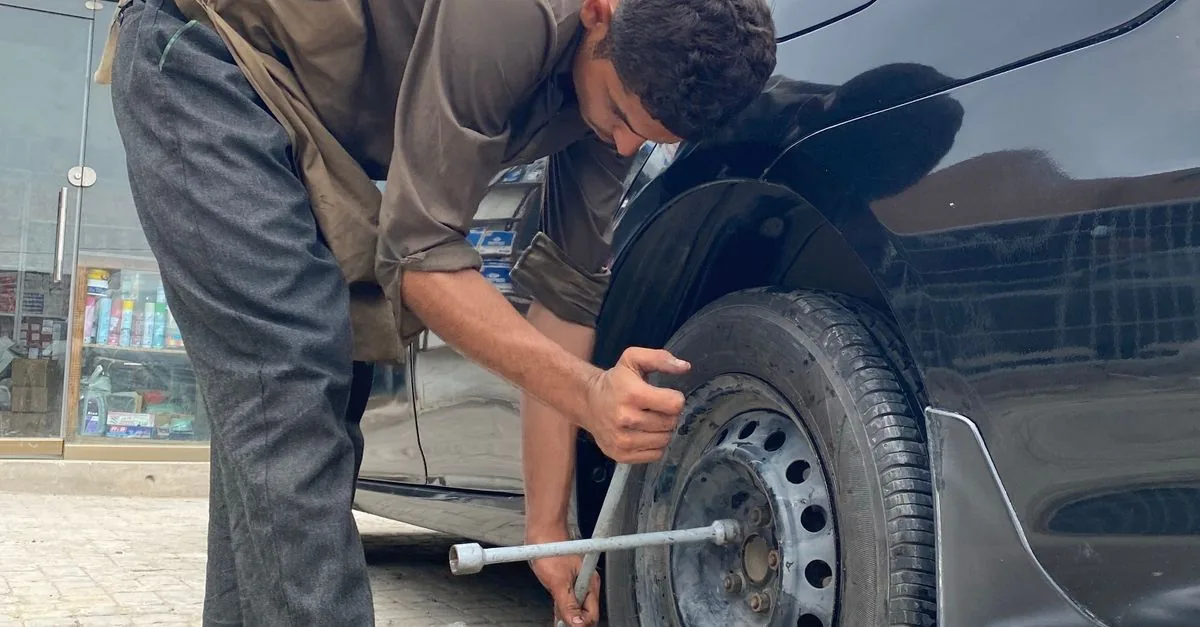
Choose a shop that stocks reputable brands, confirms fitment against your vehicle's specs, and includes mounting, balancing, and alignment in a clear written quote. Professional installation matters: correct mounting and balancing protect handling and tire life, and a good technician spots suspension or alignment issues while the wheels are off. See what local drivers say on our reviews page, check our service areas, or contact us for a quote.
All-Season Tire FAQ
Are all-season tires good for BMW and other European cars?
Yes, when they carry the correct size, load index, and speed rating. Many all-season lines are engineered to meet the handling and braking expectations of European vehicles.
How long do all-season tires last in Fort Lauderdale?
It varies by tire and driving habits, but with proper inflation and rotation every 5,000 to 7,500 miles, quality all-seasons typically deliver strong mileage. Heat and aggressive driving shorten life.
How often should I check tire pressure in the heat?
At least monthly, with a gauge, when the tires are cold. Heat raises pressure readings, so check before driving or after the car has sat for a few hours.
When should I replace my all-season tires?
Replace at or below 2/32 inch of tread, the legal minimum in most states, or sooner if you see cracks, bulges, or uneven wear. For heavy-rain driving, planning replacement around 4/32 inch is safer.
Do I need to rotate all-season tires?
Yes. Rotation every 5,000 to 7,500 miles promotes even wear and extends tire life, regardless of tire type.
Ready for Tires That Fit Your Car and Our Roads?
We will match the right all-season tires to your vehicle's specs and your driving, with the full installed price in writing before any work starts.
101 SW 17th St, Fort Lauderdale, FL 33315
Monday-Friday: 8:00 AM-6:00 PM
Tire care guidance follows U.S. DOT tread-depth standards (2/32 inch legal minimum in most states) and standard tire industry recommendations for rotation, inflation, and inspection. Confirm tire size, load index, and speed rating against your owner's manual or door-jamb placard.