The Ultimate Guide to Finding Budget Tires in Fort Lauderdale: Saving Without Sacrifice
- By John Xipolitidis
- Auto Repair Services, Automobile, Tire Services
- Mar 6, 2026
Shopping for tires feels harder than it should. You buy them rarely, prices seem to move, and every shop tells a different story. For European car owners in Fort Lauderdale, there is an extra layer: the tire has to match your car’s engineering, not just its wheel size. This guide walks you through the entire buying process, from knowing what your car needs to spotting a real deal and avoiding the traps.
Follow these steps and you will buy with confidence instead of crossing your fingers.
Quick answer: To find budget tires in Fort Lauderdale without getting burned: confirm your exact size, load rating, and speed rating first; compare out-the-door prices including installation and alignment; time your purchase with manufacturer rebates; consider value-tier brands and previous-generation models; and always check the DOT date code for freshness.
Step 1: Know Exactly What Your Car Needs
Before you compare a single price, get your specifications. The tire size is on the driver’s door jamb placard (for example, 225/45R17), along with the recommended pressure. Your owner’s manual or the existing tires show the load rating and speed rating.
European cars are particular here. A BMW 3 Series, for instance, relies on sidewall stiffness for its planted cornering feel. Put on a tire with the right size but the wrong characteristics and the car feels vague, the traction control works overtime, and fuel economy can suffer. Write down the full specification before you shop, and do not let anyone talk you into a tire that does not meet it.
Your Pre-Shopping Checklist
Full tire size, load rating, and speed rating. Your typical driving: highway, city, or mixed. Your priorities: longest life, best rain grip, quietest ride, or lowest price. Your timeline: do you need tires this week, or can you wait for a promotion? Bring this list to any shop and the conversation gets much more productive.
Step 2: Know Where to Shop and What to Ask
Fort Lauderdale has no shortage of tire sellers, from warehouse clubs to national chains to independent specialists. Each has trade-offs worth understanding.
Warehouse clubs
Bulk pricing can look attractive, but clubs often lack the specialized mounting equipment for the low-profile wheels common on modern European cars, and their staff may not know the fitment details your car requires.
National chains
Wide selection and frequent promotions. Ask specifically about the installer’s experience with European fitments, and whether road-force balancing and TPMS service are included or extra.
Independent specialists
Shops that focus on European vehicles often have access to distributors the chains do not use, and their technicians understand the alignment and calibration details these cars need. The sticker price may be slightly higher while the out-the-door value is better. Our guide on choosing the right auto repair shop explains what separates a good shop from a cheap one.
Questions to ask every seller: What is the out-the-door price including mounting, balancing, alignment, and TPMS service? What is the DOT date code on the tires you will install? What mileage warranty and road-hazard coverage are included? What does the shop do if a vibration appears after installation?
Step 3: Time Your Purchase
Tire pricing moves through the year, and a little timing can save real money.
Watch for manufacturer rebates. Tire makers frequently run rebate promotions, often in spring and fall, that can be combined with a shop’s own discounts. Ask what is currently running before you commit.
Holiday weekends help. Major holiday weekends often bring shop-level promotions that stack on top of manufacturer offers.
Consider outgoing models. When a manufacturer updates a tire line, the previous generation typically goes on clearance. These remain excellent tires and are often the best value on the shelf.
Do not wait until you are desperate. Get quotes while you still have usable tread, around 4/32 of an inch in Florida. Shopping under pressure, with a flat or a failed inspection, removes every bit of your leverage. If you are unsure whether replacement can wait, our repair vs. replacement guide can help.
Step 4: Understand Value-Tier Options
“Budget tire” covers everything from solid value to genuinely poor quality. Here is how to tell the difference.
Second brands from major makers. Laufenn is made by Hankook and Firestone is part of Bridgestone. These lines use proven technology at lower prices and are legitimate value choices.
Established independent value brands. Names like Kumho, Falken, and General have long track records and full warranty support. They are not mystery tires.
Red flags. No recognizable brand name, no published UTQG ratings, no mileage warranty, or a seller who cannot tell you the DOT date code. Any of these is a reason to walk away, no matter how low the price.
The Spec Floor Rule
Whatever you buy, it must meet your car’s size, load rating, and speed rating. That rule never bends for price. Above that floor, shop freely for value. Below it, you are not saving money, you are compromising the car.
Step 5: Judge the Installation, Not Just the Tire
A tire is only as good as its installation, and European vehicles are less forgiving of shortcuts than most cars.
Road-force balancing. This presses a roller against the tire to simulate the car’s weight, finding issues a standard spin balancer misses. It matters for vibration-free highway driving.
Precision alignment. New tires on a misaligned car wear unevenly from day one. An alignment check with new tires protects the investment.
TPMS calibration. Modern BMW, Acura, and similar models have sensitive tire pressure monitoring systems that need proper reset and calibration with a new set.
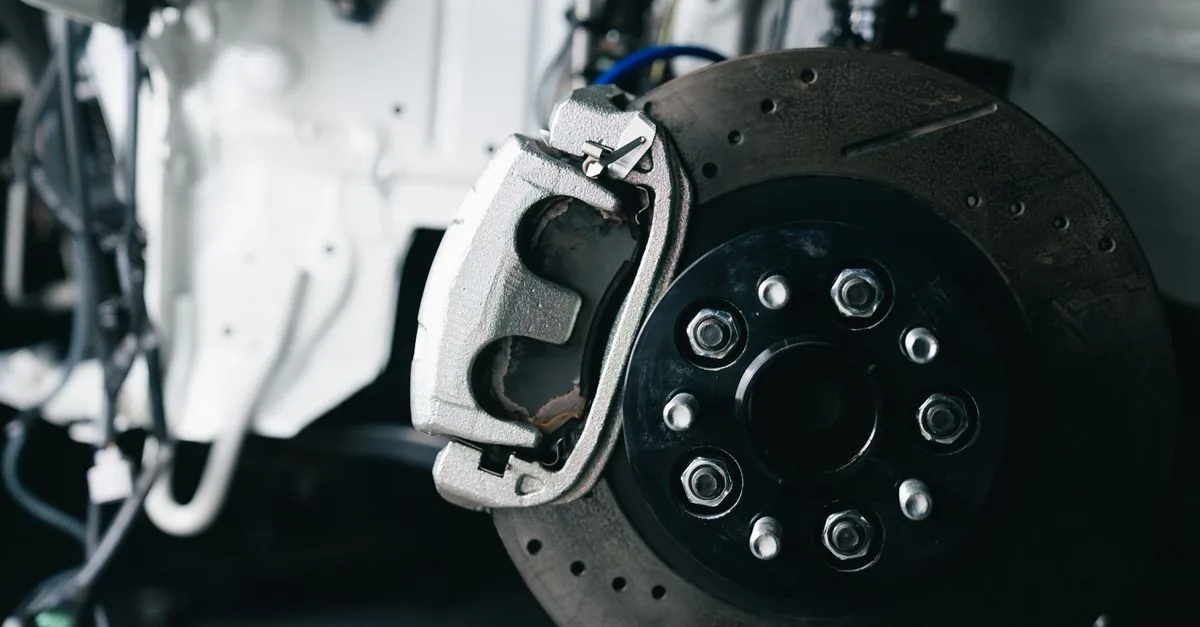
Proper torque. Lug hardware must be torqued to specification, not just run down with an impact wrench. It affects both safety and brake rotor life.
For ongoing care after installation, see our tire maintenance guide for European vehicles.
Finding Budget Tires FAQ
When is the cheapest time to buy tires?
There is no single cheapest week, but manufacturer rebate promotions frequently run in spring and fall, and holiday weekends often bring additional shop discounts. The most expensive time to buy is when you have no choice, so shop before your tread is gone.
Are warehouse club tires a good deal for European cars?
Sometimes on price, but clubs may lack the mounting equipment for low-profile European wheels and the fitment expertise these cars need. Compare the full out-the-door value, not just the tire price.
What should I ask before agreeing to a tire price?
Ask for the out-the-door total including mounting, balancing, alignment, and TPMS service; the DOT date codes; the mileage warranty and road-hazard terms; and what happens if a vibration shows up after installation.
Is it safe to buy a previous-generation tire model on clearance?
Yes, provided the DOT date code shows fresh stock. An outgoing premium model is still a premium tire, and clearance pricing can make it one of the best values available.
How do I check a tire’s age?
Find the DOT code on the sidewall. The last four digits show the week and year of manufacture. Rubber ages even unused, faster in heat, so prefer recently made tires.
Ready to Shop Smart for Tires?
Bring us your tire size or just your car, and we will walk you through the options, quote an honest out-the-door price, and install your choice with the balancing, alignment, and calibration a European car deserves.
101 SW 17th St, Fort Lauderdale, FL 33315
Monday-Friday: 8:00 AM-6:00 PM
Brand relationships mentioned (Laufenn by Hankook, Firestone by Bridgestone) reflect publicly known corporate ownership. Pricing and promotion patterns described are general industry observations, not guarantees of current offers. Always match replacement tires to your vehicle manufacturer’s specified size, load rating, and speed rating.