
Understanding Mechanic Services Near Me: A Brief Overview
- By John Xipolitidis
- Automobile
- Jun 19, 2025
Finding a mechanic near you is only the first step. Knowing what to expect once you get there, what services shops actually offer, how pricing works, and how your visit should unfold, makes the whole experience calmer and helps you make better decisions about your car.
This overview covers the main service types, what happens during a typical visit, how to prepare, and the questions worth asking before any work begins.
Quick answer: A typical visit means an inspection and diagnosis first, then a written estimate explaining what was found and what it costs, then your approval before any work starts. You should always know what is being done, why, and what it costs before the shop touches your car.
What Types of Services Do Local Mechanics Offer?
Most full-service independent shops handle the same core categories. Knowing what each one covers helps you describe your problem accurately and understand the recommendation you receive.
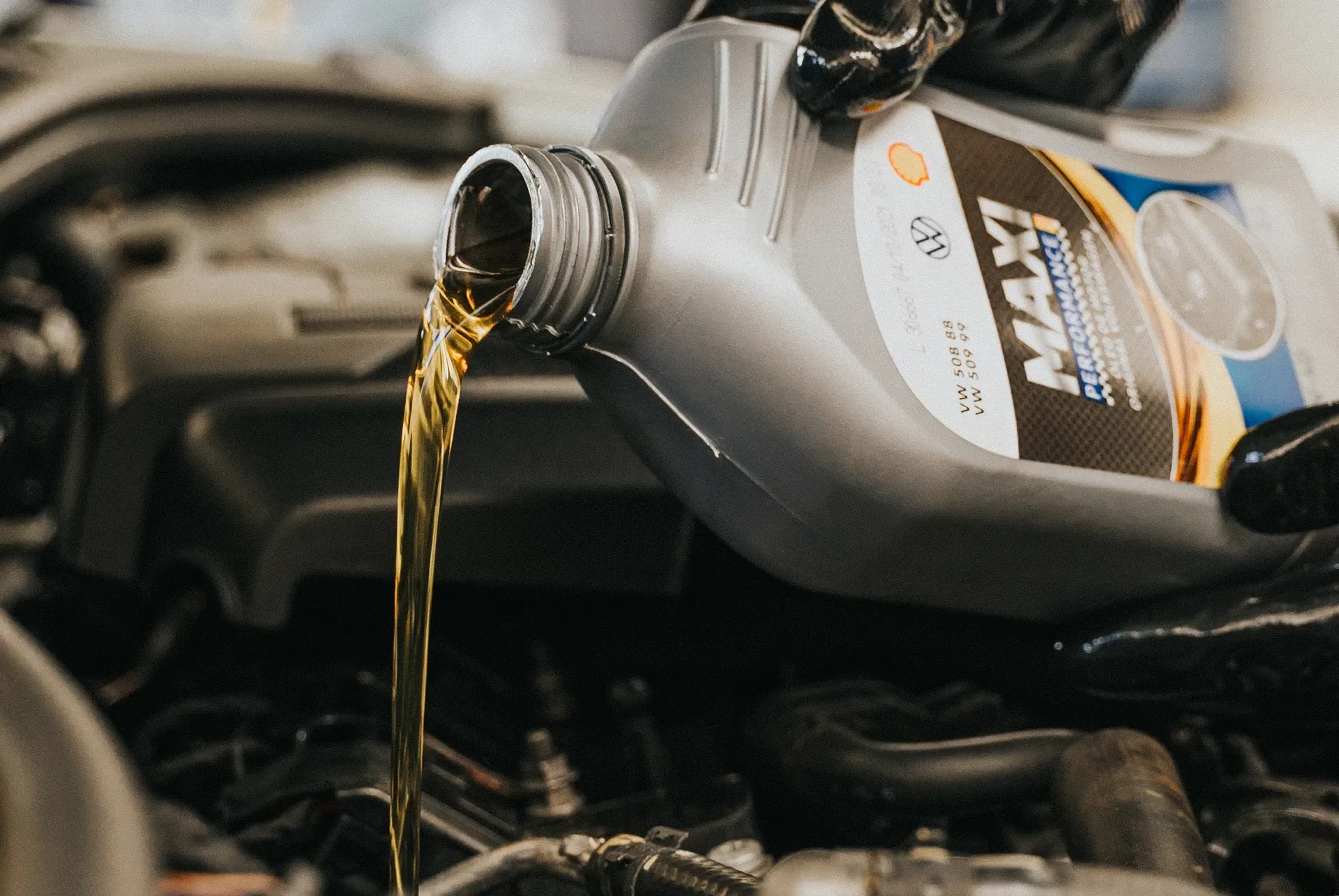
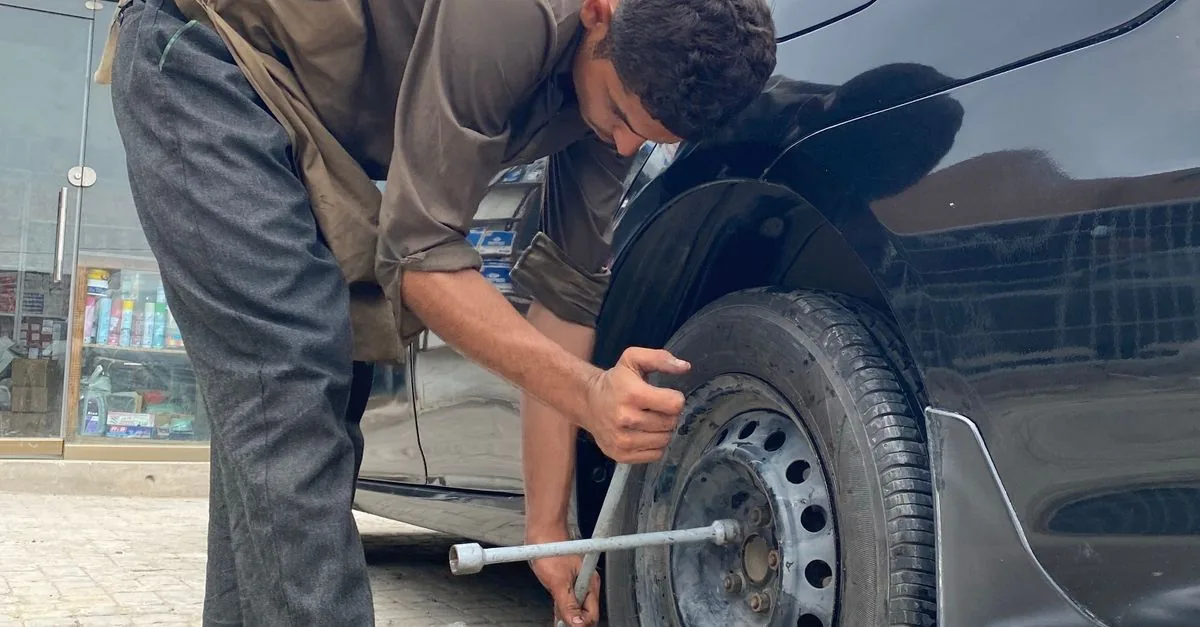
Oil changes, filter replacements, tire rotations, brake inspections, fluid top-offs, and battery checks. This is the scheduled care that prevents most breakdowns.
Computerized testing to find the cause of a check engine light, warning message, or performance complaint. Good diagnostics identify the fault instead of guessing at parts.
Repairs to major systems, from spark plugs and sensors to brake components and transmission service. These start with diagnosis and end with verification that the fix worked.
Air conditioning service, battery and alternator testing, and wiring diagnosis. In Fort Lauderdale, AC and electrical work are year-round needs, not seasonal ones.
What Happens During Your Visit
A well-run shop follows the same basic sequence whether you are in for an oil change or a strange noise. Here is what each step should look like.
You describe what the car is doing and when. The service advisor notes your concerns and any service history you bring.
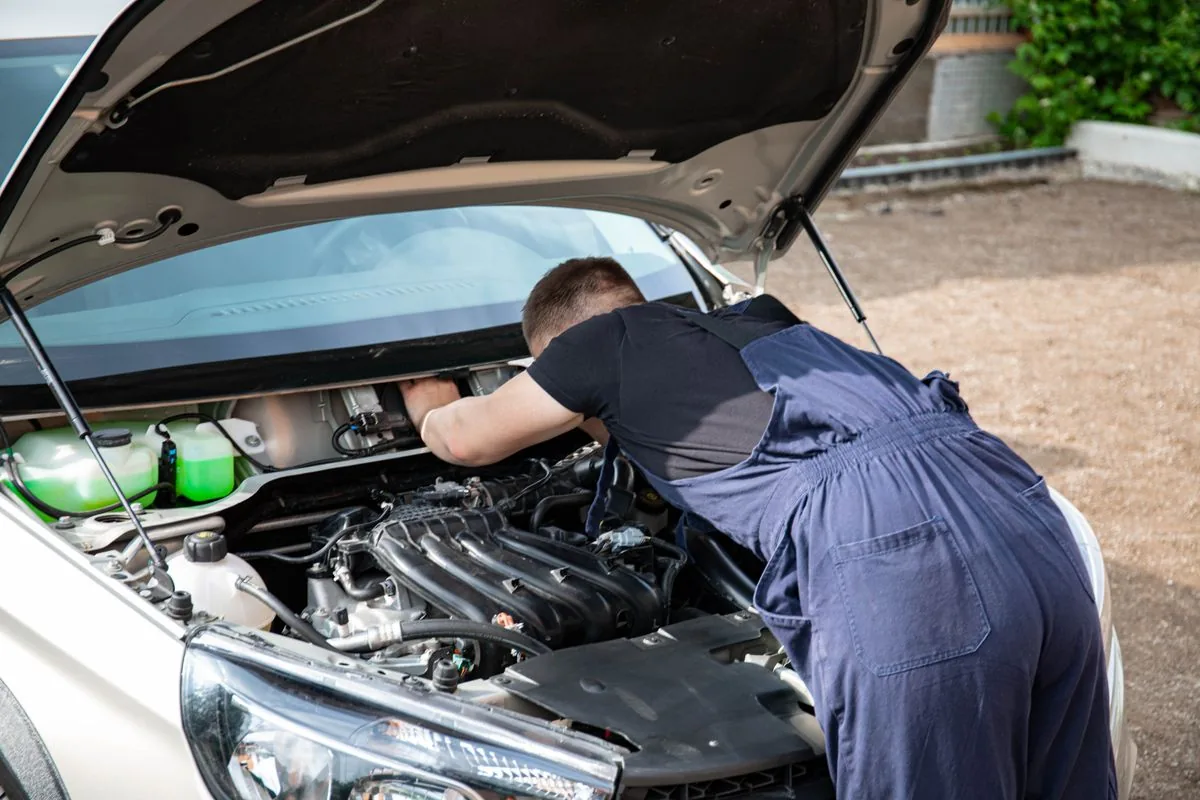
The technician inspects the relevant systems, runs diagnostic tests, and identifies the cause of the problem.
You receive a written, itemized estimate. The shop explains what was found, what is recommended, and what it costs.
Work begins only after you approve it. When the job is done, the shop should explain what was performed.
How Pricing Works at a Repair Shop
Repair costs come down to a few variables: labor time, parts cost and quality, the complexity of the job, and the type of vehicle. European vehicles, for example, often cost more to repair because parts are more specialized and some jobs require manufacturer-specific procedures and tools.
The way to compare shops fairly is to compare written estimates for the same work, not phone guesses. A detailed invoice that separates parts from labor tells you far more than a single bottom-line number. If one quote is much lower than the others, ask what is different: the parts, the labor time, or the scope of the work.
Transparency Is the Price Conversation
A trustworthy shop explains the estimate before you approve it, tells you which items are urgent and which can wait, and never adds work without your approval. That conversation matters more than any single price. If you are comparing shops, our guide to choosing the right auto repair shop walks through the full checklist.
How to Prepare for Your Appointment
A little preparation makes your visit smoother and helps the technician diagnose faster.
Bring your service history. Previous repair records and maintenance receipts help the shop see what has already been done and avoid repeating work.
Write down the symptoms. Note when the problem happens: cold start or warmed up, at certain speeds, when turning, when braking. Specifics shorten diagnostic time.
Know your warranty status. If the car is under factory warranty or an extended plan, mention it at check-in so the shop can advise you correctly. Remember that under federal law, using an independent shop for maintenance does not void your factory warranty as long as the work is done correctly and documented.
Bring your questions. Ask how long the job should take, whether you will be contacted before additional work is approved, and what the warranty on the repair covers.
Warranties Protect Both Sides
Reputable shops back their work with a written warranty on parts and labor. Get the terms in writing before the work starts: what is covered, for how long, and what to do if something is not right afterward. A shop with a clear warranty and a clear complaint process is a shop that plans to stand behind its work. You can see what local drivers report in customer reviews.
Dealer or Independent Shop?
Dealerships specialize in one brand and have factory tools and training. Independent shops typically offer more competitive pricing, more flexible scheduling, and direct communication with the people working on your car. Many independents service domestic, European, and Asian vehicles, so one shop can handle everything in the driveway.
For routine maintenance and most repairs, a qualified independent shop is a sound choice. For warranty-covered defects or brand-specific recalls, the dealership is the right call. Learn more about the trade-offs in dealership vs. independent auto repair.
Red Flags Worth Walking Away From
Be cautious of any shop that refuses to put the estimate in writing, pressures you to approve work immediately, cannot explain why a repair is needed, or adds charges you never approved. A shop that will not answer questions before the sale will not answer them after it either.
Mechanic Services FAQ
What should I bring to my first visit?
Bring your service history, a written description of the symptoms (when they happen and what they feel or sound like), and any recall notices or previous repair records. Knowing your warranty status helps the shop advise you correctly.
How long will my car be in the shop?
Routine maintenance like an oil change or tire rotation is often done the same day, sometimes in under an hour. Diagnostics usually take an hour or two. Larger engine, brake, or transmission repairs can take several hours to a few days depending on parts availability. A reputable shop gives you a timeline estimate at check-in.
Will the shop explain the work before doing it?
It should. Expect a written, itemized estimate that explains what was found, what is recommended, and what it costs, and expect no work to begin until you approve it. If a shop cannot explain the recommendation clearly, get a second opinion.
Can an independent shop service my European car?
Many can. Look for a shop with experience on your specific make, proper diagnostic equipment for European systems, and technicians who train on modern vehicle electronics. Ask directly about your make and model before booking.
What if I am not satisfied with the service?
Raise it with the shop manager promptly and in specific terms. Reputable shops have a complaint process and will typically correct faulty work. Documenting the original estimate and invoice makes any follow-up conversation much easier.
Know What to Expect Before You Book
Call or stop by with your questions, your symptoms, and your service history. You will get a clear explanation of what your car needs, a written estimate, and no work without your approval.
101 SW 17th St, Fort Lauderdale, FL 33315
Monday-Friday: 8:00 AM-6:00 PM
This article is general information about auto repair services and is not a substitute for a professional inspection of your vehicle. Service needs, timelines, and costs vary by vehicle and condition.



1 Comment
Comparing Affordable Tires: Fort Lauderdale vs. Other Cities - Southport Auto Repair
[…] these price ranges side-by-side gives you a clear picture for your budget and helps you spot the best value in South […]