Fort Lauderdale Check Engine Light Help | Expert Diagnostics & Dependable Repairs
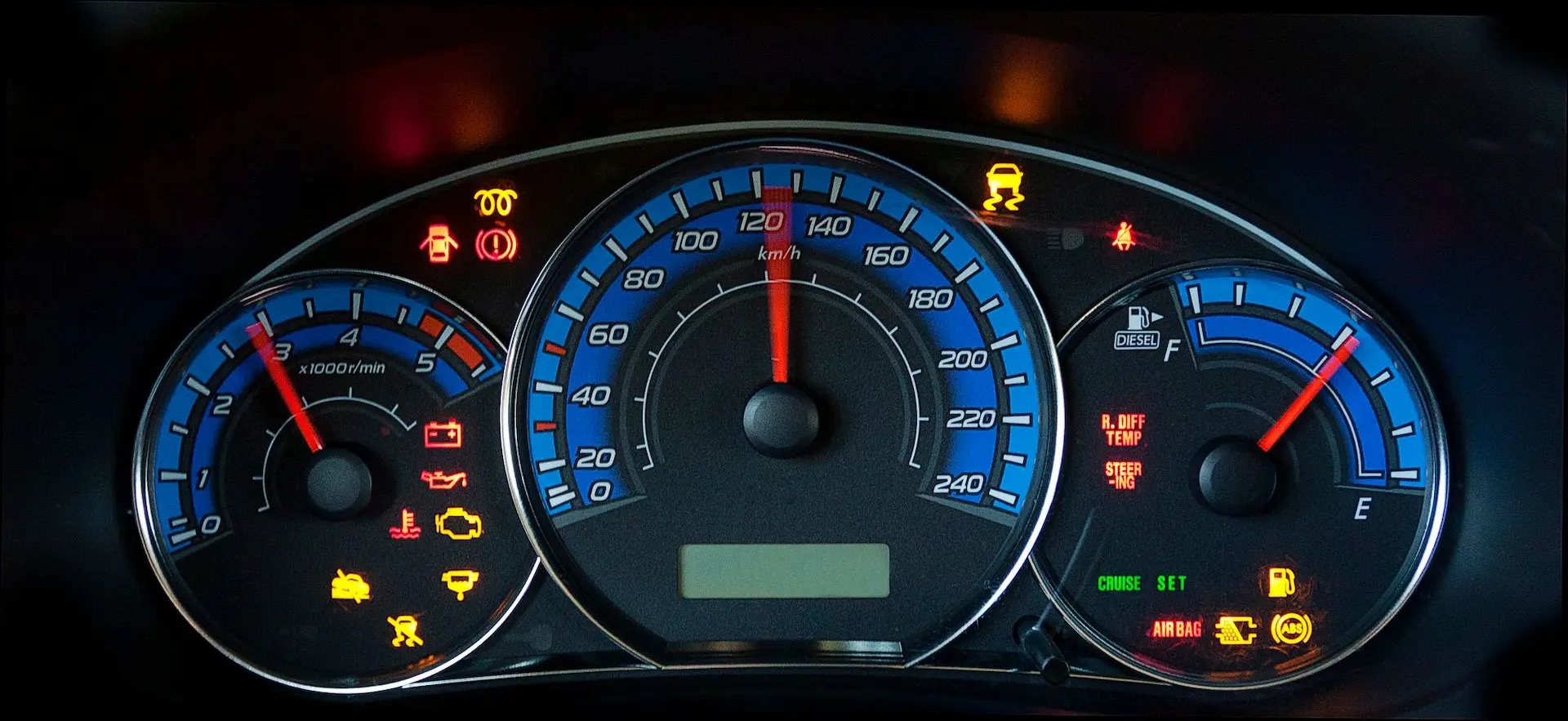
Is your check engine light glowing on your Fort Lauderdale dashboard and you’re not sure what to do next? Finding the right engine light solution protects your vehicle and gives you peace of mind. At Southport Auto Repair, our certified technicians use advanced on-board diagnostics to locate engine-management problems and offer clear repair recommendations. In this guide, we explain what different check engine signals mean, how our OBD-II scan process finds trouble codes, the most common local repairs we perform, why drivers trust our lasting engine light solution, and practical safety tips for driving with — or preventing — that warning lamp.
Choosing a reliable engine light solution in Fort Lauderdale starts with understanding the issue. This guide walks you through the details so you know what’s happening and what to expect.
Catching engine problems early saves time and money. That’s why Southport Auto Repair – Fort Lauderdale’s Trusted Auto Service invests in experienced mechanics and modern diagnostic tools to keep your vehicle running right.
Understanding Your Check Engine Light: The First Step to an Engine Light Solution in Fort Lauderdale
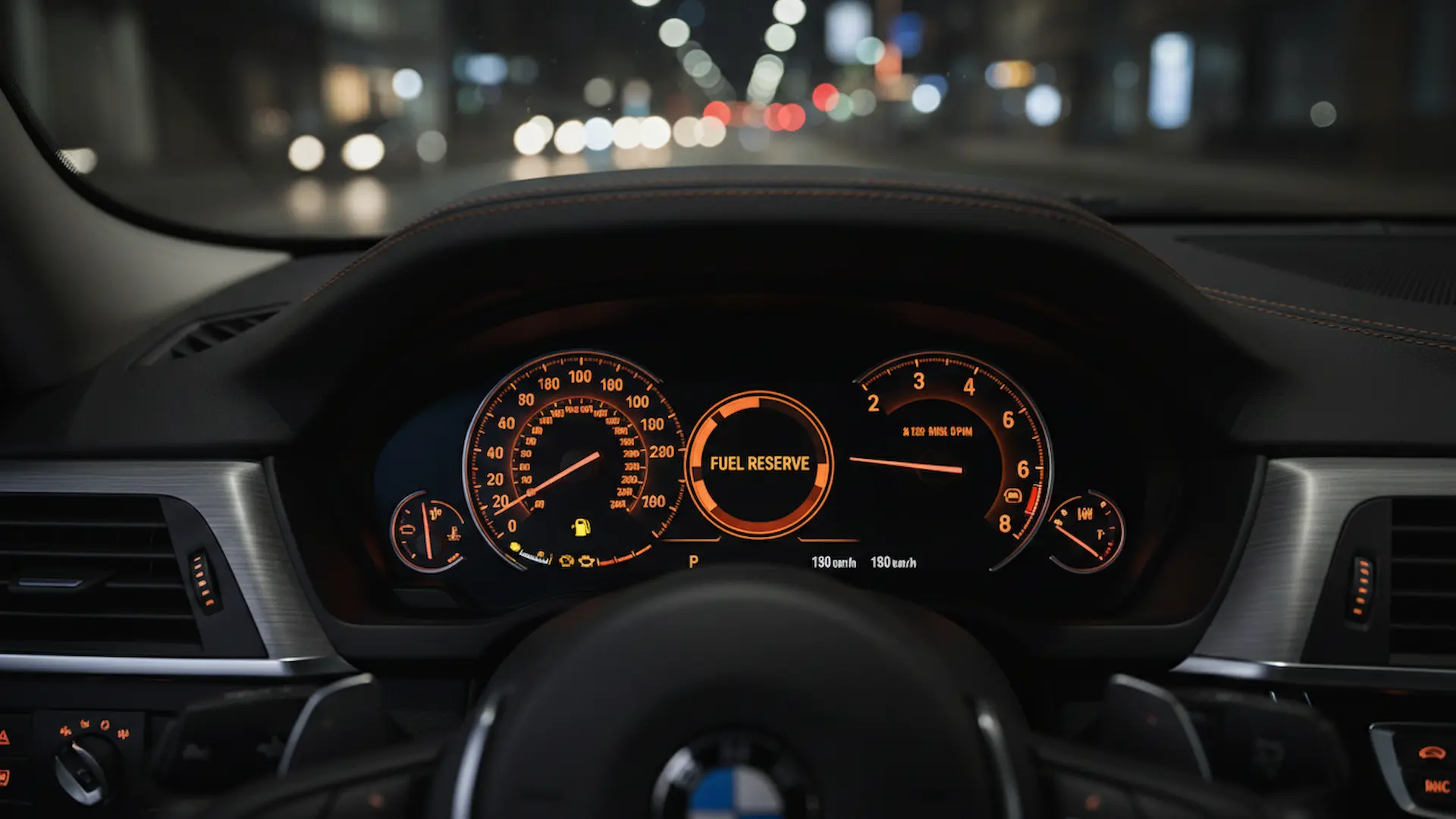
The check engine light is your car’s onboard alert: the engine control unit (ECU) has detected something that affects emissions, fuel economy, or drivetrain performance. When it comes on, the vehicle stores a Diagnostic Trouble Code (DTC) that points to the problem and needs professional review. For example, a misfire can generate a P0300 code, which often shows up as reduced power and higher emissions.
Understanding Diagnostic Trouble Codes (DTCs) for an Effective Engine Light Solution
DTCs are the starting point for diagnosing vehicle issues. These codes, produced by the engine control unit (ECU), identify areas to investigate—like misfires or failing sensors—so technicians can perform targeted repairs. Reading a code is only the first step; our techs interpret live data and symptoms to avoid chasing the wrong fix. We don’t just erase codes — we find and repair the actual cause for a lasting engine light solution.
Society of Automotive Engineers, SAE J2012 – Diagnostic Trouble Codes (2023)
This standard explains how DTCs are used to diagnose check engine light issues.
- A loose or damaged gas cap that lets fuel vapors escape
- A failing oxygen (O₂) sensor that skews the air–fuel mix
- Catalytic converter wear that reduces exhaust treatment
- Worn spark plugs or faulty ignition coils that cause misfires
Each item above can trigger engine inefficiency or emissions faults. Our diagnostic process identifies the root cause before we recommend repairs, so your engine light solution fixes the problem — not just the symptom.
Oxygen Sensor Function and Failure: A Common Engine Light Solution Need
Oxygen sensors monitor exhaust gases to help the engine run efficiently and meet emissions requirements. When a sensor fails, it can send incorrect signals to the ECU, upsetting the air–fuel ratio and hurting fuel economy. Left unchecked, a bad O₂ sensor can lead to other damage. Replacing a faulty oxygen sensor is a frequent, effective engine light solution that restores proper engine operation and emissions compliance.
U.S. Environmental Protection Agency, Understanding Vehicle Emissions (2022)
This EPA resource helps explain how oxygen sensor failures affect vehicle performance.
Solid vs. Flashing Check Engine Lights: Guiding Your Engine Light Solution
A steady check engine light usually means a stored fault — things like minor sensor errors or small emissions leaks — and it’s often safe to drive to the shop. A flashing light is more urgent: it usually signals an active misfire that can overheat the catalytic converter and cause serious engine damage. If your light is flashing, stop driving and get service right away to avoid costly repairs. Knowing the difference helps you decide how fast you need an engine light solution.
Common Causes Requiring an Engine Light Solution in Fort Lauderdale Vehicles
Here’s a quick look at parts that commonly trigger ECU alerts, the symptoms you’ll notice, and the likely underlying faults:
| Component | Symptom | Underlying Fault |
|---|---|---|
| Oxygen Sensor | Poor fuel economy | Erratic O₂ readings creating a rich or lean condition |
| Catalytic Converter | Sulfur smell or rattling | Blockage or failing catalyst |
| Spark Plug/Ignition Coil | Rough idle or misfire | Worn plugs or coil failure |
| Gas Cap | EVAP code P0440 | Loose or damaged seal allowing vapor leaks |
| Mass Air Flow Sensor | Stalling or hesitation on acceleration | Dirty or contaminated sensing element |
Catalytic Converter Operation and Issues: A Major Engine Light Solution
The catalytic converter reduces harmful pollutants in your exhaust. When it fails, exhaust treatment and performance suffer. Fixing converter problems usually requires diagnosing the root cause first — persistent misfires, oil contamination, or a bad oxygen sensor can all damage the converter. We address those underlying issues before recommending converter repair or replacement, so your engine light solution lasts.
California Air Resources Board, Vehicle Emission Control Systems (2021)
This resource explains how converter issues affect emissions and performance.
These common patterns guide our inspections as we track down the cause of Fort Lauderdale check engine light triggers.
Advanced Diagnostic Tools for Your Fort Lauderdale Engine Light Solution
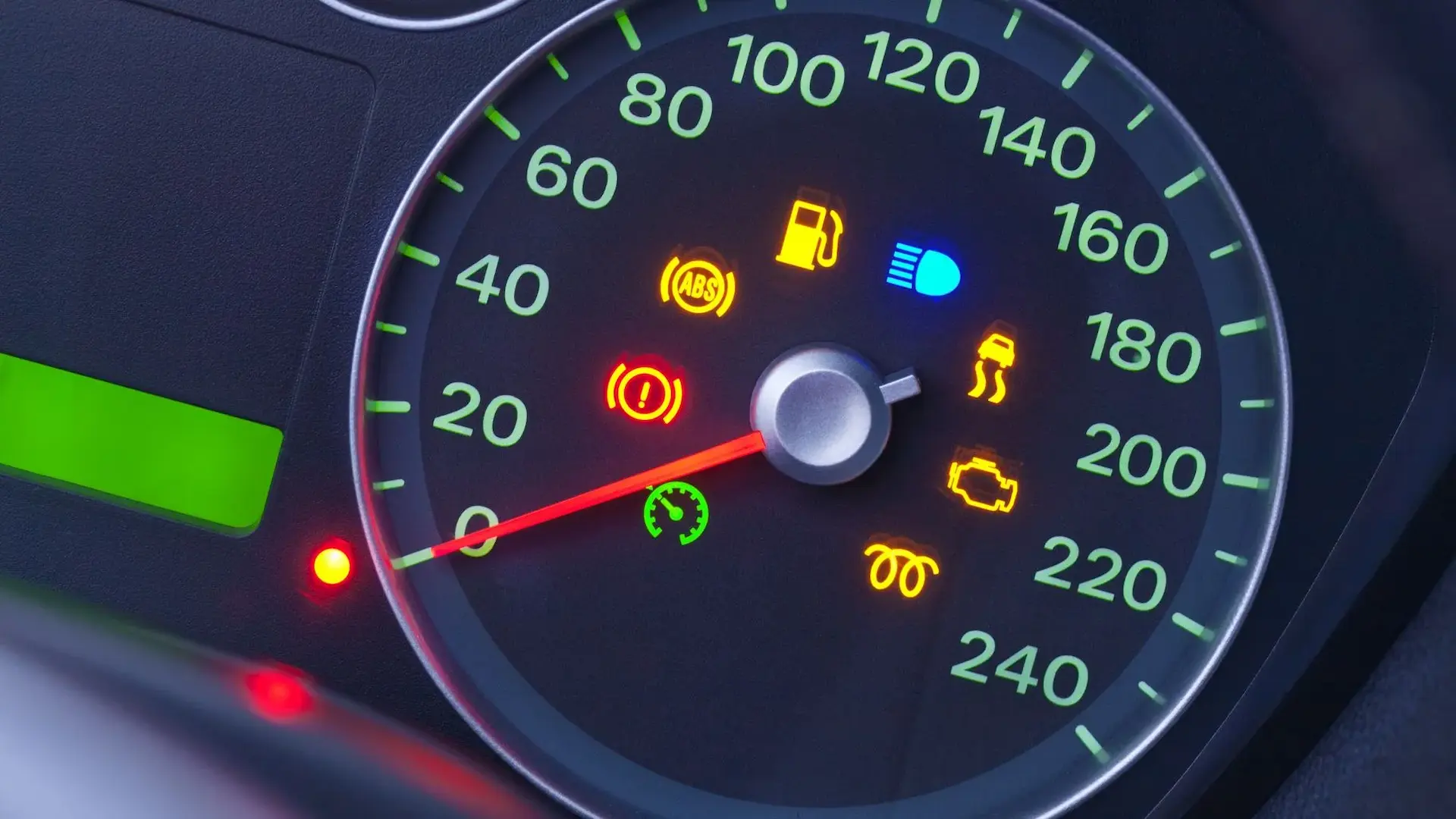
At Southport Auto Repair we back our experience with advanced tools. Beyond standard OBD-II scanners, we use oscilloscopes, digital multimeters, and specialized software to dig deeper. Those tools let us monitor live data, test sensor outputs, and even simulate driving conditions to reproduce intermittent problems. That careful approach helps us identify the precise cause of your check engine light and deliver a reliable repair.
How a Loose Gas Cap Can Trigger Your Check Engine Light and Its Simple Engine Light Solution
A loose or cracked gas cap breaks the sealed fuel-vapor system and can trigger an EVAP system code. Often, tightening or replacing the cap clears the code after a few driving cycles, restoring emissions compliance without major repairs. While a bad gas cap is the simplest cause, other EVAP parts — like the purge or vent valves — can fail. Our EVAP diagnostics go beyond the cap to ensure a complete engine light solution for any vapor leak.
Our Approach to an Effective Engine Light Solution: Diagnostics at Southport Auto Repair
We combine precise scanning with hands-on expertise so a warning light becomes a clear repair plan.
- OBD-II Scan and Code Retrieval We connect a professional OBD-II scanner to the vehicle’s data port and pull stored trouble codes.
- Technician Interpretation and Inspection Our certified technicians compare codes with live data—fuel trims, sensor voltages—and perform targeted inspections of suspect components.
- Repair Recommendation and Customer Briefing After we confirm the root cause, we present transparent repair options, clear cost estimates, and realistic timeframes so you can decide with confidence.
This step-by-step process ensures accurate diagnostics and builds trust in every Fort Lauderdale check engine light solution we deliver.
What Is an OBD-II Scan and How It Guides Your Engine Light Solution?
An OBD-II scan is a non-invasive read of the vehicle’s ECU data. The scan captures error codes whenever a system parameter falls outside preset limits. Those codes — for example, P0301 for a cylinder 1 misfire — point technicians toward the specific circuit or component that needs attention, helping us arrive at the correct engine light solution.
Technician Analysis: Interpreting DTCs for a Precise Engine Light Solution
Technicians map each DTC to its subsystem, then confirm the fault with live sensor readings and visual checks. For instance, a P0420 code for catalytic converter efficiency triggers tests of the upstream O₂ sensor and exhaust backpressure to determine whether the converter itself needs replacement. This careful analysis is essential to a durable engine light solution.
From Diagnosis to Repair: Your Personalized Engine Light Solution Plan
After diagnosis, we prepare a clear service plan listing parts, labor, and any warranty coverage. We review options with you so you can make an informed choice, and we begin repairs only after you approve the estimate. That transparency is central to delivering a satisfactory engine light solution.
Cost Considerations for Your Fort Lauderdale Engine Light Solution
Repair costs vary by the underlying issue. A gas cap replacement can be under $50, while an oxygen sensor replacement typically runs $150–$500 depending on vehicle and sensor location. More complex jobs, like catalytic converter replacement, often range from $1,000 to $3,000 or more. We provide a detailed estimate before any work starts, outlining parts, labor, and diagnostic fees. Our goal is a cost-effective, reliable engine light solution without cutting corners on quality or safety.
Comprehensive Engine Light Solution Repairs Available in Fort Lauderdale
We handle the common causes with services tuned to Fort Lauderdale driving conditions:
| Service | Purpose | Benefit |
|---|---|---|
| Oxygen Sensor Replacement | Restore accurate O₂ readings | Improve fuel economy and emissions control |
| Catalytic Converter Repair | Restore proper exhaust treatment | Reduce pollutants and regain engine power |
| Spark Plug & Ignition Coil Service | Maintain consistent ignition | Eliminate misfires and smooth idle |
| EVAP System Leak Repair | Seal the fuel-vapor system | Stop fuel odors and prevent codes |
| Mass Air Flow Sensor Cleaning | Keep airflow readings accurate | Stabilize idle and improve throttle response |
Our Fort Lauderdale shop stocks quality parts and performs each repair with care to clear check engine alerts and optimize performance. We use OEM-equivalent or better components for durability, and every repair is backed by a comprehensive warranty — our assurance that your engine light solution will hold up.
Why Choose Southport Auto Repair for Your Fort Lauderdale Engine Light Solution?
- Our certified technicians hold ASE credentials and understand local driving conditions.
- We use state-of-the-art diagnostic equipment to reduce guesswork and improve accuracy.
- Expect clear, upfront pricing and written estimates so there are no surprises.
- We stand behind our work with service warranties and a focus on long-term results.
These strengths reflect our commitment to reliable diagnostics and long-term vehicle health, so you get the best possible engine light solution.
Frequently Asked Questions About Your Fort Lauderdale Engine Light Solution
Drivers often wonder whether it’s safe to keep driving with the light on and what will happen when they bring the car in. These common questions help you decide when to schedule service for your engine light solution.
Can I Drive Safely with the Check Engine Light On?
If the light is steady and you don’t notice lost power or unusual noises, it’s usually safe to drive to our shop. A flashing light, however, needs immediate attention to avoid catalytic converter damage. When in doubt, prioritize safety and get a professional engine light solution promptly.
How Much Does a Check Engine Light Diagnostic Cost in Fort Lauderdale?
Our flat-rate diagnostic fee covers the OBD-II scan, live data review, and a technician consultation. We keep pricing competitive and explain all fees before any work begins, so you know the costs for your engine light solution.
How Long Does It Take to Diagnose and Repair Check Engine Light Issues?
A standard scan and code interpretation typically take about 30–45 minutes. Repair time depends on the job—roughly 1 hour for a gas cap or sensor replacement, and up to half a day for catalytic converter work. We work efficiently while keeping quality and safety top priority for your engine light solution.
How Can I Prevent My Check Engine Light from Coming On?
Regular maintenance is the best prevention. Follow scheduled tune-ups, replace wear items like spark plugs, air and fuel filters on time, and get periodic OBD-II health checks. Keeping fluids topped and doing simple visual checks can catch problems early. Sticking to your manufacturer’s service schedule helps reduce unexpected ECU alerts and avoids urgent engine light solution visits.
What if My Check Engine Light Comes Back On After a Repair?
If the light returns soon after a repair, contact us right away. Our service warranty covers the work, and we’ll re-diagnose the issue at no extra charge. Some problems have multiple causes, or a new issue may appear. Our priority is to make sure your vehicle runs correctly and that you get a complete, lasting engine light solution.
Are There Specific Fort Lauderdale Environmental Factors That Affect Check Engine Lights?
Yes. Fort Lauderdale’s heat and humidity can stress electrical parts and rubber hoses, increasing the chance of sensor failures or vacuum leaks. Heavy stop-and-go traffic can also wear components like catalytic converters and spark plugs faster. Our technicians account for these local conditions when diagnosing your vehicle, ensuring your engine light solution fits Fort Lauderdale driving realities.
Southport Auto Repair’s proactive approach and practical resources help Fort Lauderdale drivers prevent common engine warnings and extend vehicle life.
Clear communication and reliable service are central to how we work in Fort Lauderdale. We’re committed to delivering a thorough, dependable engine light solution for every customer. Schedule your check engine light diagnostic today and see how accurate diagnostics and honest recommendations make a difference for your vehicle and your peace of mind.